Ahsan Iqbal Warns Against Water Weaponization Under Indus Waters Treaty
Federal Minister Ahsan Iqbal has warned of the strategic risks linked to water weaponization under the Indus Waters Treaty, urging robust diplomatic oversight and national water management.
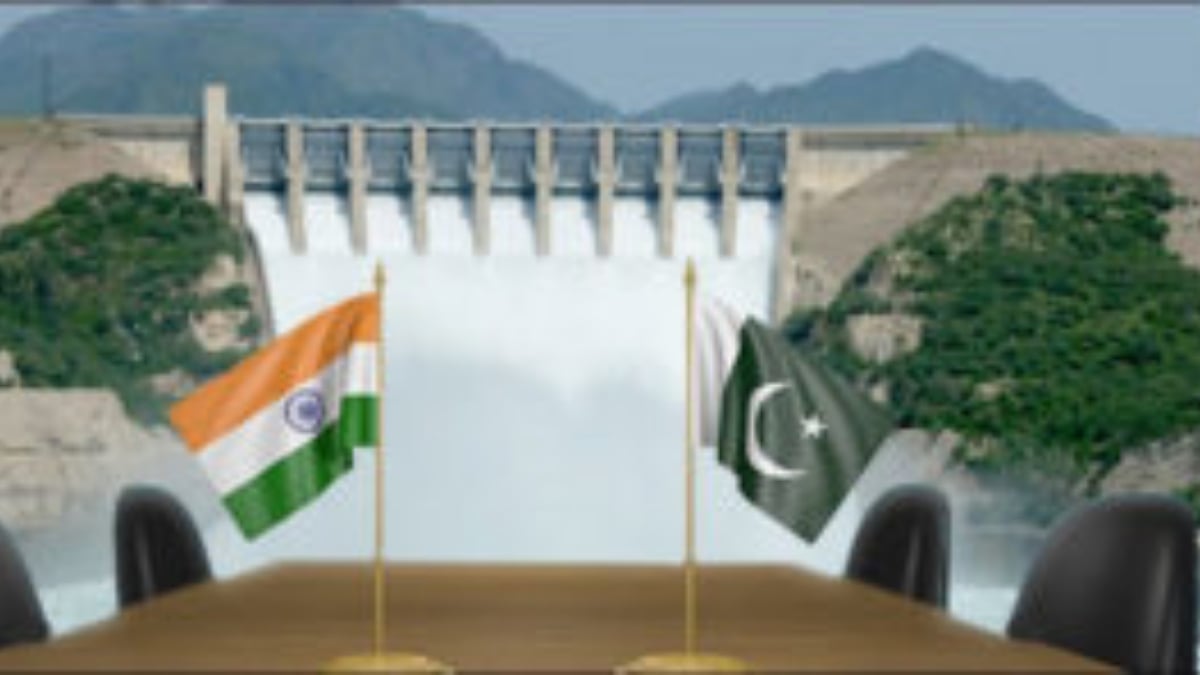
Federal Minister Ahsan Iqbal has issued a clear warning regarding the prospective risks of Indus Waters Treaty water weaponization, underscoring the urgent need to protect Pakistan's national water security and agrarian economy. Addressing the strategic vulnerabilities associated with shared regional river basins, the minister highlighted how the potential manipulation, withholding, or uncoordinated release of river flows poses a severe threat to downstream nations. As global climate shifts already place immense stress on hydrological systems across South Asia, treating essential river networks as instruments of geopolitical leverage risks exacerbating environmental degradation and regional instability. This critical policy warning serves as a call for heightened vigilance, strict compliance with international law, and robust internal water management to safeguard the nation's vital resources.
The Strategic Framework of the Indus Waters Treaty
To fully grasp the implications of Ahsan Iqbal's warning, it is essential to examine the historic framework that has long governed transboundary river distribution in South Asia. Established under international mediation, the treaty delineated specific usage rights over the western and eastern rivers, creating a structured framework for joint data sharing, technical inspections, and formal dispute resolution. For over six decades, this bilateral agreement provided a reliable mechanism for managing shared water basins, even during periods of heightened diplomatic tension.
However, recent regional infrastructure developments and unilateral policy shifts have raised serious concerns about potential deviations from the spirit of the treaty. Downstream countries like Pakistan depend heavily on steady, predictable river inflows originating from upstream headwaters. When river flows are constrained, delayed, or altered without transparent communication, the delicate balance intended by international agreements comes under severe strain. The minister's intervention highlights that transboundary water management cannot be treated merely as a routine technical issue; it is fundamental to sovereign security, public health, and long-term regional peace.
Analyzing the Mechanisms of Water Weaponization
The concept of water weaponization extends beyond the physical denial of river access. It encompasses a wide array of problematic practices, including the construction of uncoordinated upstream storage projects, secretive flow diversions, and the failure to provide real-time hydrological data during critical weather events. When upstream entities alter water flow rates during key agricultural cycles, downstream farming regions suffer profound crop damage. Conversely, sudden, unannounced water discharges during heavy monsoon seasons can flood vulnerable rural zones, destroying essential infrastructure and displacing local populations.
Pakistan's vast irrigation network, which sustains agricultural productivity across Punjab, Sindh, Khyber Pakhtunkhwa, and Balochistan, relies explicitly on natural river basin dynamics. Any unauthorized interference creates systemic disruptions across multiple vital sectors:
- Agricultural Productivity: Erratic water deliveries disrupt seasonal sowing schedules, significantly reducing output for major staple and cash crops.
- Hydroelectric Energy Output: Stable reservoir volumes are required to maintain continuous power generation, meaning flow fluctuations directly jeopardize national grid stability.
- Deltaic Ecological Balance: Reduced downstream river volume accelerates seawater intrusion in coastal deltas, degrading arable coastal land and destroying aquatic habitats.
- Urban Water Supply Systems: Major municipal centers experience acute drinking water shortages when primary river distribution canals suffer artificial volume drops.
What Water Weaponization Means for Ordinary Citizens
While discussions regarding the Indus Waters Treaty frequently take place in diplomatic channels, the direct consequences of river manipulation affect the daily lives of millions of ordinary citizens. Water availability dictates food prices, household utility costs, and rural livelihoods across the country.
For smallholder farming families, an unexpected reduction in canal water during the crop planting phase can cause widespread yield failures and severe financial distress. When local crop production drops due to artificial supply bottlenecks, food availability in urban centers contracts, driving up the retail prices of essential kitchen staples such as wheat, rice, pulses, and fresh produce. Consequently, everyday urban and rural households face escalating cost-of-living pressures.
Furthermore, reduced surface water flows adversely affect local groundwater recharge rates. As river networks run low, suburban and rural communities must drill deeper wells, incurring higher operational and energy costs to secure baseline drinking water. In urban municipalities, local water utility providers face significant technical hurdles in maintaining clean tap water distribution, increasing the public risk of water-borne illnesses.
At the broader economic level, disruptions to hydroelectric power output force national energy grids to rely more heavily on expensive imported fossil fuels. This structural shift leads to higher generation costs, which eventually translate into increased power tariffs on household electric bills. Ultimately, transboundary river manipulation directly impacts the domestic budget of every Pakistani consumer.
National Strategy and Policy Imperatives
Mitigating the risks associated with transboundary water disputes demands a unified strategy combining diplomatic engagement with aggressive internal resource management. National experts recommend prioritizing several key policy actions to build long-term resilience:
- International Advocacy: Consistently present objective hydrological data at international forums to emphasize adherence to binding treaty provisions and dispute mechanisms.
- Infrastructure Expansion: Accelerate the development and modern management of national storage reservoirs to absorb upstream flow variations.
- Irrigation Efficiency Modernization: Expand adoption of high-efficiency techniques, such as laser land leveling and drip systems, to maximize crop yield per cubic meter of water.
- Advanced Telemetry Systems: Deploy modern satellite and real-time sensor technologies to independently verify river basin flow volumes across national borders.
- Inter-Provincial Coordination: Strengthen consensus-driven water sharing agreements among provinces to maintain equitable internal distribution during low-flow periods.
Navigating National Water Security
The warning articulated by Ahsan Iqbal highlights the critical necessity of placing transboundary water rights at the core of national defense and economic strategy. Safeguarding Pakistan's equitable share under the Indus Waters Treaty is vital for feeding the population, sustaining industrial growth, and protecting delicate natural ecosystems. As environmental factors continue to alter precipitation patterns across South Asia, cooperative management must supersede unilateral assertiveness. Citizens and agricultural workers are encouraged to stay informed through official updates released by the Ministry of Water Resources and the Pakistan Water and Power Development Authority regarding national storage levels and official conservation guidelines.
Source: ARY News
Get alerts in your inbox
Weekly roundup of Punjab schemes, Pakistan jobs, and Gulf opportunities.