Airlines Resume Middle East Flight Operations Following Regional Disruption
International commercial airlines have begun gradually restoring Middle East flight operations following conflict-related disruptions. Passengers are advised to verify schedules directly with official airline channels.
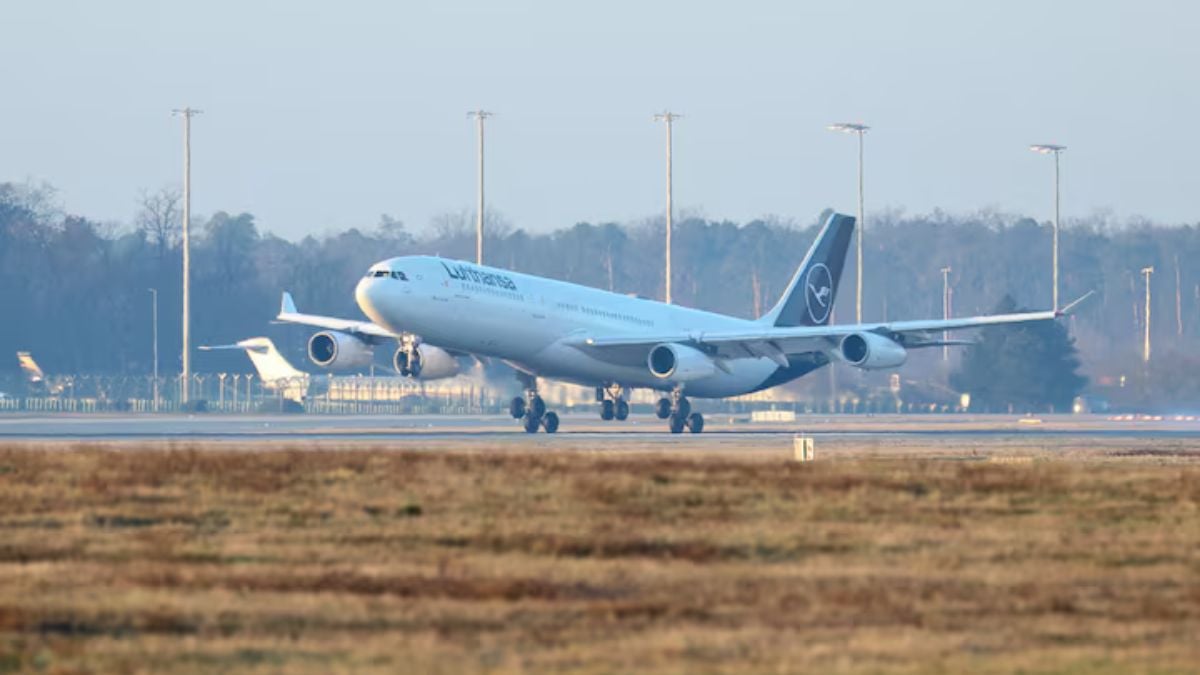
International carriers have initiated a structured recovery process to restore Middle East flight operations following severe disruptions triggered by recent regional conflict and temporary airspace closures. Over the past few days, severe security concerns forced multiple global airlines to suspend flights, alter long-haul flight paths, and temporarily ground aircraft destined for major transit hubs across the region. As aviation regulatory authorities and air traffic control agencies begin easing airspace restrictions, airlines are gradually reintroducing scheduled services while continuously reassessing security protocols.
The Complex Process of Re-establishing Air Corridors
Restoring commercial flight schedules after widespread airspace suspensions is an intricate operational challenge that requires careful coordination between international aviation bodies, national civil aviation authorities, and individual airlines. When conflict escalates, airspace restrictions are imposed to guarantee the safety of civilian aircraft. Reopening these high-density air corridors requires extensive risk assessments, revised flight routing strategies, and updated emergency diversion planning.
Airlines do not immediately return to full capacity upon the lifting of airspace restrictions. Instead, operations are phased in slowly to manage logistics effectively. Aircraft and flight crews that were diverted or repositioned during the height of the disruption must be systematically moved back to their designated stations. Furthermore, air traffic control towers across the Middle East face significant congestion as delayed flights, rerouted long-haul journeys, and newly scheduled departures compete for limited takeoff and landing slots. Travelers are likely to observe modified flight schedules, longer flight durations due to precautionary circumnavigation of sensitive zones, and temporary reductions in flight frequencies until full equilibrium is re-established.
What the Resumption Means for Ordinary Citizens and Overseas Workers
The gradual restoration of Middle East flight services carries profound implications for ordinary citizens, particularly members of the Pakistani diaspora, overseas workers, students, and families residing in or traveling through the Gulf region. Millions of Pakistani nationals work across Middle Eastern countries, serving as vital contributors to the national economy through foreign remittances. Unexpected flight suspensions leave many of these individuals stranded in foreign transit lounges, vulnerable to visa expirations, and facing unforeseen living expenses.
For these expatriates and their families, the reopening of air routes brings immense relief, enabling stranded passengers to complete interrupted journeys, return to their places of employment, or travel home for urgent personal matters. However, the operational aftermath of severe flight cancellations often creates temporary secondary challenges. Ticket prices frequently surge due to high immediate demand, seats remain limited as airlines prioritize previously stranded passengers, and transit times through major regional hubs may be extended.
Ordinary citizens planning near-future travel must remain mindful of the heightened fluid nature of international aviation during periods of geopolitical sensitivity. While services are resuming, short-notice schedule alterations or localized delays can still occur if safety evaluations dictate temporary precautionary measures.
Essential Guidelines for Affected Passengers and Travelers
Navigating travel recovery periods requires proactive planning and constant communication with service providers. Passengers holding tickets for flights through or within the region should follow these established recommendations:
- Verify Booking Status Directly: Always check the live status of your departure through the official website or mobile application of your designated airline before heading to the airport.
- Ensure Up-to-Date Contact Information: Update your primary contact number and email address in your booking profile so that carriers can send immediate SMS or email notifications regarding schedule changes.
- Understand Rebooking and Waiver Policies: Review the special rebooking or refund waivers issued by airlines during conflict disruptions, which often allow free schedule modifications or flight credits.
- Prepare for Longer Layovers: Pack essential personal items, necessary prescription medications, and emergency funding in your carry-on luggage in case of unexpected transit delays.
- Rely Exclusively on Verified Information: Avoid unverified rumors on social media platforms regarding airport closures or safety incidents, relying instead on announcements from official civil aviation authorities and airline portals.
Maintaining Long-Term Aviation Safety and Risk Monitoring
Commercial aviation safety relies on strict adherence to international safety standards, where passenger protection takes precedent over commercial timetables. Airlines utilize specialized intelligence services and real-time threat analysis to evaluate whether specific flight paths remain safe for transit. When geopolitical conditions change rapidly, flight operations coordinators adjust trajectories in real time, occasionally choosing secondary routes that require additional fuel and extended flight times to bypass potential hazard zones entirely.
As airlines work tirelessly to clear passenger backlogs and normalize flight rosters across the Middle East, industry experts emphasize that operational flexibility remains vital. Air travel across the region will continue to stabilize as regional security assessments stabilize, allowing regular commerce, labor mobility, and international travel to return to predictable patterns.
Travelers are strongly advised to remain patient and monitor their travel itineraries closely through verified channels as airline teams work through operational backlogs to restore normal timetable frequencies across all regional destinations.
Source: ARY News
Get alerts in your inbox
Weekly roundup of Punjab schemes, Pakistan jobs, and Gulf opportunities.