Awaam Pakistan Challenges ECP Delisting Order, Demands Urgent Hearing
Awaam Pakistan, led by former PM Shahid Khaqan Abbasi, has challenged the ECP decision to delist the party over intra-party elections, requesting an urgent hearing.
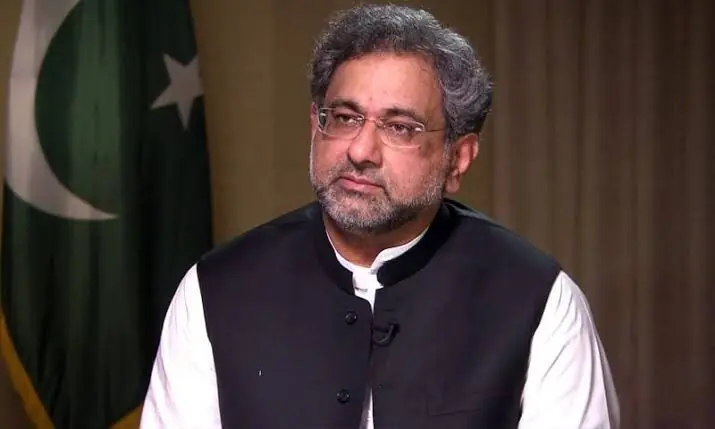
In a major legal and political development, former Prime Minister Shahid Khaqan Abbasi's political party has formally contested the electoral body's decision regarding its regulatory status. The controversy surrounding the Awaam Pakistan ECP delisting has escalated after party leadership dispatched a formal representation challenging the administrative action. The party has characterized the move as arbitrary, unwarranted, and unprecedented, urging the election commission to grant an immediate hearing to address the situation.
Background of the Election Commission Decision
The Election Commission of Pakistan (ECP) initiated administrative action against Awaam Pakistan based on its alleged failure to meet statutory obligations regarding internal party democracy. Under national election laws, every registered political entity is required to conduct periodic intra-party polls and submit corresponding documentation to the regulatory body to retain its official legal standing.
Following the ECP's decision to remove the organization from the list of registered political parties, leadership under Shahid Khaqan Abbasi responded swiftly. In a formal communication addressed directly to Chief Election Commissioner Sikandar Sultan Raja dated August 12, 2026, the party set out its objections. The letter argues that the delisting was executed without taking into account full factual context regarding the party's organizational structure and compliance efforts.
Key Arguments Raised by Awaam Pakistan
In its formal representation, Awaam Pakistan highlighted significant procedural concerns regarding how the regulatory decision was reached. Party leadership maintains that the election authority acted prematurely without providing a fair opportunity for the party to present its case or fulfill formal verification steps.
The central points outlined in the party's challenge include:
- Procedural Fairness: The party contends that the delisting order was issued without providing an adequate prior hearing or formal administrative opportunity to address compliance concerns.
- Lack of Precedent: Leadership labeled the decision as arbitrary and unprecedented, noting that administrative matters related to party organization are typically handled through formal notices or extensions rather than immediate delisting.
- Urgent Hearing Request: A formal demand was made to Chief Election Commissioner Sikandar Sultan Raja to fix an early date for an urgent hearing so the party can present complete documentation.
- Protection of Political Franchise: The submission emphasizes that regulatory decisions of this magnitude directly impact constitutional guarantees related to freedom of association and political participation.
What the Awaam Pakistan ECP Delisting Means for Ordinary Citizens
For ordinary voters, civic observers, and local communities, administrative decisions involving political party registrations have direct implications for democratic representation and governance clarity. Understanding these effects helps citizens navigate the political landscape more effectively.
First, regulatory actions of this nature directly affect voter choice on the ballot. If the Awaam Pakistan ECP delisting order stands, the party loses its official status as a recognized political entity. As a result, its nominees would be unable to contest elections under a unified party symbol, forcing candidates to either run as independents or remain off the ballot entirely.
Second, uniform enforcement of election rules is essential for maintaining public trust in democratic institutions. While citizens benefit when the ECP strictly enforces internal democracy rules to prevent top-down control in political organizations, it is equally vital for the public that administrative procedures remain transparent, predictable, and fair to all participating groups.
Finally, for constituents and supporters seeking alternative political options, ongoing legal disputes create uncertainty regarding local representation. Community members interested in the party's policy platform will need to monitor whether the entity regains its official registration prior to upcoming election cycles.
Next Steps and Verification
The matter now rests with the Election Commission of Pakistan, which must evaluate the representation submitted on August 12, 2026, and decide whether to convene an urgent hearing. Should the administrative review before the commission yield an unfavorable result, the party leadership retains the option to seek judicial relief through higher legal forums.
Citizens and political observers interested in following official legal updates are advised to check public announcements and official notifications released directly on the official portal of the Election Commission of Pakistan. Verifying news through standard regulatory releases ensures accurate information regarding party statuses and electoral compliance.
Source: Dawn News
Get alerts in your inbox
Weekly roundup of Punjab schemes, Pakistan jobs, and Gulf opportunities.