Delays in Mir Raza Ali Case Forensic Examination Raise Legal Concerns
Six days after the incident, key bullet casing evidence in the Mir Raza Ali case remains unexamined, raising concerns about forensic procedures and investigative speed.
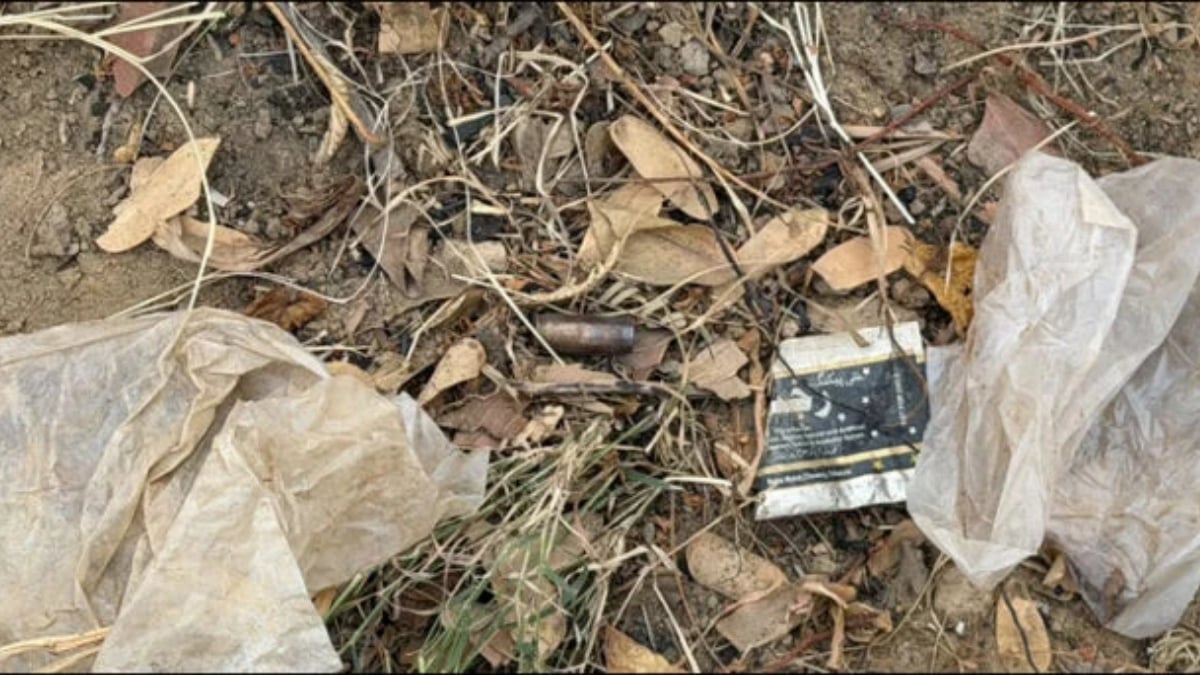
In the realm of criminal justice, the prompt collection and technical evaluation of physical evidence are essential to establishing the truth. Six days after the initial incident, critical evidence—specifically a bullet casing recovered from the crime scene—has yet to undergo formal laboratory evaluation in the Mir Raza Ali case forensic examination process. When key physical artifacts remain unanalyzed for nearly a week, it creates a crucial window of uncertainty that affects not only the legal trajectory of the specific case but also broader public perception regarding investigative efficiency. Timely forensic response is not merely a technical formality; it is a fundamental pillar of modern jurisprudence that safeguards the rights of victims, suspects, and the broader community.
The Critical Role of Ballistic Forensics in Criminal Matters
Spent bullet casings serve as pivotal physical evidence in any investigation involving firearms. Modern forensic science relies on microscopic examination to extract critical information from these metallic remnants. When a firearm is discharged, the firing pin leaves a distinct, unique impression on the primer, while the breech face, ejector, and extractor leave microscopic striations across the casing surface. These markings function essentially as ballistic fingerprints, allowing trained forensic experts to determine whether a specific casing was fired from a particular weapon with a high degree of scientific certainty.
Furthermore, prompt examination of spent casings enables investigators to cross-reference evidence against national or regional forensic databases. This process can establish whether the same firearm was used in previous criminal events, thereby uncovering broader patterns or connecting disparate cases. Beyond weapon identification, proper forensic evaluation helps establish the spatial dynamics of a crime scene—such as the approximate trajectory, distance, and angle of fire—which can confirm or refute witness statements and suspect claims. Delaying this analysis jeopardizes the initial momentum of an investigation, as physical evidence must be processed before contextual details fade or secondary leads go cold.
Understanding Systemic Delays in Evidence Processing
Administrative and procedural delays in forensic testing are unfortunately common within complex legal environments. While the exact operational bottlenecks in this specific instance require formal confirmation from the relevant investigating agency, several systemic factors routinely contribute to delays in physical evidence processing across the country.
Primary factors contributing to forensic backlogs often include:
- Chain of Custody Requirements: Physical evidence must undergo rigorous documentation, sealing, and logbook entries at the local station level before transfer to specialized laboratory facilities.
- Jurisdictional and Formal Requisitions: Sending evidence to an accredited forensic agency often requires formal court permissions, magistrate orders, or specific administrative requisitions, which can add days to the timeline.
- Laboratory Workload and Capacity: Centralized forensic science laboratories frequently face high case volumes, leading to prioritized queuing where urgent or high-profile cases must wait alongside routine submissions.
- Transportation Protocols: Safe and secure transport of ballistic materials requires specialized personnel and adherence to strict safety protocols to ensure evidence is not compromised or lost in transit.
Addressing these procedural hurdles requires institutional reform, streamlined inter-agency communication, and increased resources for forensic testing facilities. Without these improvements, even straightforward cases risk unnecessary stagnation during the critical initial days of investigation.
What Forensic Delays Mean for Ordinary Citizens
While high-profile cases frequently draw media spotlight, procedural delays in physical evidence analysis have far-reaching implications for the average citizen seeking justice through the legal system. When law enforcement agencies experience delays in processing crucial items like bullet casings, it highlights broader systemic challenges that affect everyday crime victims.
For ordinary citizens, these delays represent several critical issues:
- Equal Protection and Timely Redress: Every citizen relies on the state to deliver fair and swift justice. Delays in standard forensic procedures can prolong legal proceedings, causing emotional and financial distress for affected families.
- Risk to Evidence Integrity: Extended storage without proper laboratory preservation increases the theoretical risk of handling errors, environmental degradation, or chain of custody disputes during trial proceedings.
- Public Safety and Perpetrator Apprehension: Rapid forensic matching helps identify suspect weapons and perpetrators quickly. Delays in generating forensic leads mean potential safety risks to the community remain unaddressed for longer periods.
- Confidence in Public Institutions: Transparency and speed in criminal investigations build public confidence in law enforcement and judicial bodies. Unexplained delays can foster skepticism regarding police competence and impartiality.
Key Standards for Physical Evidence Handling
To maintain public trust and uphold legal standards, forensic procedures must adhere to established national and international benchmarks. Citizens should be aware of the basic expectations that govern evidence preservation in criminal investigations:
- Immediate Crime Scene Securing: Preventing contamination or unauthorized access to physical evidence right from the moment of discovery.
- Standardized Documentation: Detailed photographic, written, and spatial logging of where and how each casing or sample was recovered.
- Tamper-Evident Packaging: Utilizing specialized, sealed containers to prevent external degradation or unauthorized handling.
- Rapid Laboratory Referral: Establishing expedited protocols for violent crime evidence to ensure analysis begins within hours rather than days.
- Transparent Progress Disclosure: Providing accurate, non-confidential updates to the public and victim representatives to ensure institutional accountability.
Verifying Official Updates and Guidelines
As this case continues to develop, members of the public and media observers are advised to rely strictly on verified information released by official investigative authorities and court officers. Unconfirmed reports or speculation regarding forensic outcomes can distort public understanding and undermine legal processes. Individuals seeking official updates on crime protocols or public safety guidelines should consult official state law enforcement portals or verified legal advisories.
Ensuring that physical evidence is evaluated in a timely, professional, and transparent manner remains a critical obligation for law enforcement. Maintaining these standards guarantees that justice is served efficiently, protecting the rights of all citizens and reinforcing public faith in the rule of law.
Source: ARY News
Get alerts in your inbox
Weekly roundup of Punjab schemes, Pakistan jobs, and Gulf opportunities.