Dumb Phone Sales Rise as Users Turn to Basic Devices for Screen Time Relief
As constant notifications create digital fatigue, feature phone adoption is gaining momentum worldwide. Consumers are increasingly choosing simplified handsets to curb excessive screen time and lower daily stress.
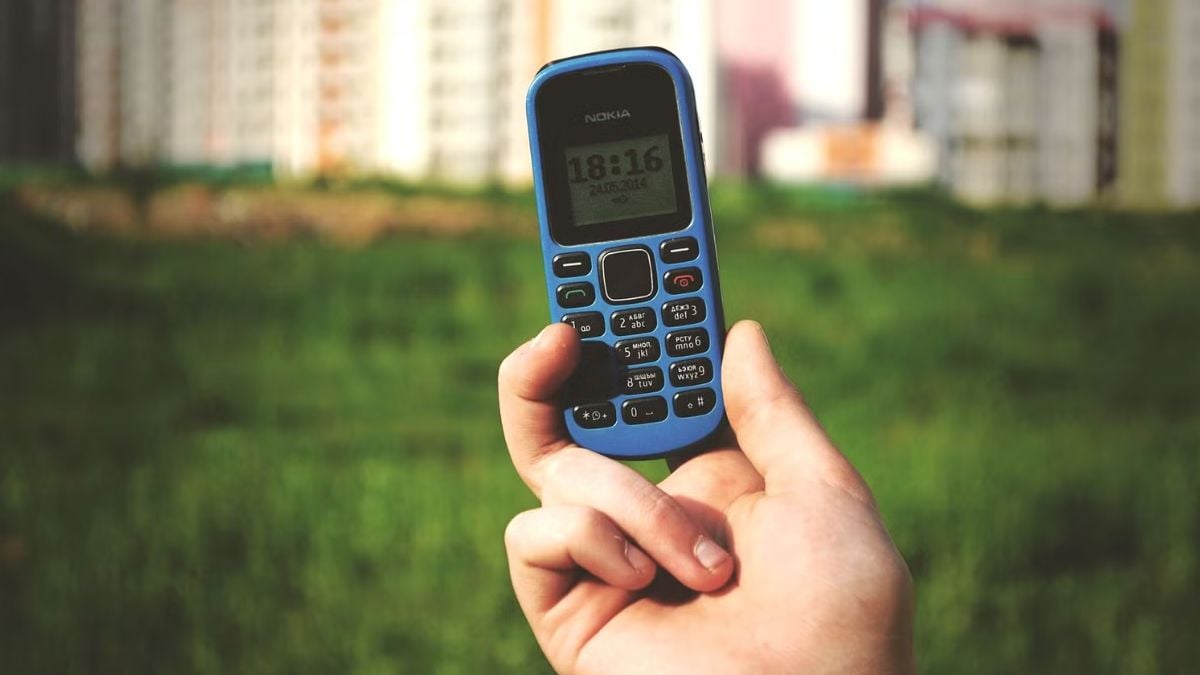
Modern connectivity has brought unprecedented convenience to daily life, yet it has also introduced a growing sense of digital exhaustion across various demographics. In response to relentless app alerts, continuous notifications, and persistent messaging, dumb phone sales rise as consumers deliberately seek practical relief from excessive daily screen time. These minimal communication devices, frequently described as feature phones, offer essential voice calling and text messaging functions without the attention-grabbing applications characteristic of modern smartphones. For an increasing number of users, adopting a simplified handset represents a conscious effort to regain personal focus, lower daily stress, and cultivate healthier relationships with personal technology.
The Growing Shift Toward Digital Simplification
The resurgence of interest in basic mobile devices highlights a fundamental change in how people view digital connectivity. For over a decade, consumer technology trends prioritized larger displays, faster processing speeds, and complex app ecosystems designed to keep users engaged for maximum duration. However, constant push notifications and continuous screen exposure have led to widespread mental fatigue and fragmented attention spans. Many individuals now find that the primary device meant to simplify their lives has become a major source of distraction and constant anxiety.
As awareness surrounding screen-induced strain expands, the appeal of basic hardware has moved into mainstream consumer discussions. Minimalist feature phones remove high-definition displays, complex mobile browsers, and algorithmic content feeds. By limiting capabilities to basic communication, users create natural technical barriers against habitual phone checking. Rather than relying solely on personal willpower or app limiters, carrying a basic phone enforces functional boundaries that support sustained presence in physical surroundings.
Core Factors Driving Feature Phone Demand
The renewed popularity of basic handsets is supported by several distinct functional and psychological benefits that standard smartphones often struggle to provide:
- Extended Battery Longevity: Basic feature phones operate without power-hungry displays or persistent background data synchronization, allowing batteries to last several days or even weeks on a single charge.
- Substantial Reduction in Distractions: Deprived of addictive social platforms, mobile gaming environments, and endless news streams, users encounter far fewer daily interruptions.
- Enhanced Privacy Protection: Feature phones collect far less background telemetry, location data, and behavioral tracking information compared to advanced smartphone operating systems.
- Restored Cognitive Focus: Removing perpetual chime alerts enables individuals to maintain deeper concentration during professional tasks, academic studies, and personal leisure pursuits.
- Financial Accessibility: Basic devices carry significantly lower retail prices and rarely demand expensive high-speed data plans, offering clear economic savings.
- Hardware Resilience: Built with simple internal components and sturdy outer materials, basic phones demonstrate higher physical durability against drops and impacts.
What the Rise in Feature Phones Means for Ordinary Citizens
For the average citizen, the trend toward basic devices offers a realistic blueprint for rebalancing daily routines without abandoning mobile communication entirely. Choosing a simplified phone does not require completely isolating oneself from society; instead, it establishes clear boundaries between necessary contact and unproductive digital consumption.
1. Workplace Boundaries and Stress Reduction
In many professions, workplace communication tools blur the boundary between job duties and personal life. When employees carry smartphones everywhere, work emails and group chat updates constantly invade evenings and weekends. Transitioning to a basic handset during non-working hours allows workers to establish firm separation between job obligations and personal time, directly reducing burnout risks and supporting genuine rest.
2. Benefits for Families and Younger Generations
Parents searching for safe, responsible ways to provide children with mobile contact are increasingly turning to feature phones. These devices allow parents to stay in touch for safety and logistics without exposing young users to unrestricted internet access, online peer pressure, or addictive gaming routines. Families also report richer conversations when shared spaces remain free from screen disruptions.
3. Financial Relief and Budget Optimization
Maintaining modern smartphones involves substantial recurring expenses, including device installment plans, screen insurance, and premium data contracts. For budget-conscious households, basic phones provide an economical alternative that fulfills core communication requirements while freeing up household funds for other essential living expenses.
Practical Considerations Before Making the Switch
Switching from a feature-packed smartphone to a minimal device involves adjustments to daily habits and logistics. While the benefits of lower screen time are evident, standard tasks like online banking, digital navigation, and two-factor authentication often rely on mobile applications. Prospective users can manage this transition smoothly by adopting a dual-device model—using a basic phone during personal hours while retaining a smartphone strictly for work.
Before purchasing a new handset, citizens should identify non-mobile alternatives for essential tools, such as dedicated vehicle navigation or desktop web banking. It is also essential to verify network compatibility, as legacy network bands differ across service providers and regions. Consumers should check official carrier platforms or device manufacturer specifications to confirm seamless network coverage.
Ultimately, the steady momentum behind rising feature phone adoption reflects a broader societal movement toward intentional living. By taking proactive steps to curate device usage, ordinary citizens can lower daily screen time, protect personal mental well-being, and regain meaningful control over their attention.
Source: ARY News
Get alerts in your inbox
Weekly roundup of Punjab schemes, Pakistan jobs, and Gulf opportunities.