Ebola Death Reported in New Province Across Congo: Official Confirmation
Official authorities have confirmed an Ebola death in a new province across the Democratic Republic of Congo, prompting rapid contact tracing and reinforced health protocols.
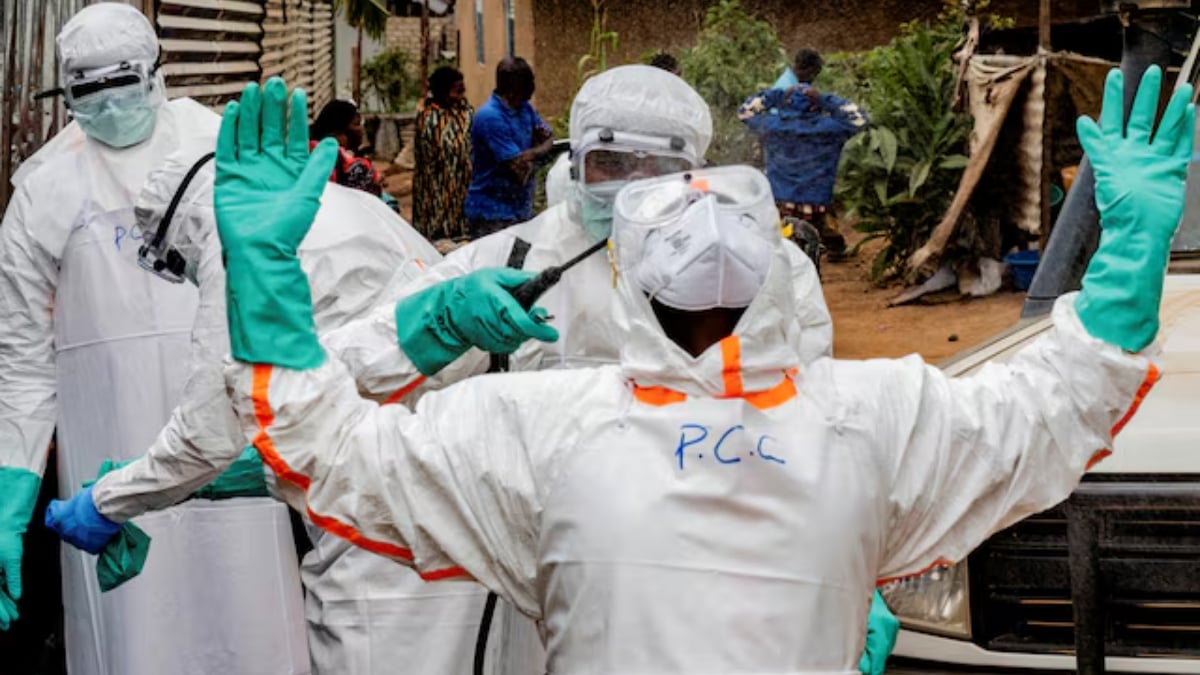
Public health authorities have documented a fatal case linked to the viral disease as a newly affected jurisdiction confirms a recent casualty. Official statements confirm a recent Ebola death in Congo within a previously unaffected province, underscoring the ongoing challenges of epidemic containment, surveillance, and rapid response in regions susceptible to viral hemorrhagic fevers. Health administrators and regional response teams are mobilizing resources to prevent further transmission chains, track close contacts, and reinforce public health checkpoints across provincial boundaries.
Understanding the Epidemiology and Provincial Transmission Risks
The emergence of a fatal viral case in a new territorial division marks a critical phase in disease tracking and containment efforts. Epidemiological teams emphasize that early detection remains the single most decisive factor in curbing broader community spread. When an infection surfaces outside previously established containment zones, field officers must act swiftly to establish timeline verifications, isolate suspected contacts, and secure biological samples for laboratory confirmation under stringent biosafety protocols.
Hemorrhagic fevers such as those caused by the Ebola virus present severe clinical challenges. Transmission primarily occurs through direct contact with blood, secretions, organs, or other bodily fluids of infected persons or deceased patients, as well as surfaces contaminated with these fluids. Because initial symptoms can resemble endemic illnesses such as malaria, typhoid, or seasonal viral infections, early clinical suspicion by local healthcare workers is essential to ensure swift isolation before broader household or healthcare-associated exposure takes place.
Immediate Steps Deployed by Health Authorities
Upon confirmation from designated public health laboratories, standard containment mechanisms are activated across several interconnected operational pillars:
- Contact Tracing and Monitoring: Identification, registration, and daily health follow-ups of all individuals who had direct or indirect contact with the deceased individual during the symptomatic phase.
- Safe and Dignified Burials: Mobilization of specialized burial teams equipped with complete personal protective equipment (PPE) to conduct interments safely and prevent post-mortem viral transmission.
- Infection Prevention and Control (IPC): Decontamination of medical centers, residential spaces, and public facilities frequented by suspected or confirmed cases.
- Community Engagement and Risk Communication: Active dialogue with community leaders, civil society organizations, and religious figures to share transparent health directives and dispel potential misconceptions.
What This Public Health Development Means for Ordinary Citizens
For ordinary citizens, local residents, and international observers following public health advisories, the confirmation of an isolated fatality in a new province underscores the necessity of strict adherence to baseline health precautions. While health authorities maintain active monitoring, community awareness plays a central role in arresting the momentum of viral outbreaks before they escalate into wider regional crises.
Individuals residing in or traveling through surrounding territories must familiarize themselves with standard preventative protocols. Everyday safety relies heavily on maintaining rigorous personal hygiene, including frequent handwashing with clean water and soap or alcohol-based sanitizers, avoiding unverified handling of deceased persons, and immediately seeking professional medical evaluation rather than turning to self-medication upon the onset of fever, unexplained fatigue, or bleeding.
For international travelers and cross-border traders, standard border screening procedures—such as thermal scanning, travel history documentation, and localized health questionnaires—are typically heightened following official outbreak alerts. Adhering to these routine screenings ensures that suspected health events are addressed at designated transit points before cross-provincial or international transit occurs.
Surveillance Protocols, Healthcare Readiness, and International Support
Managing viral disease threats requires sustained coordination between domestic health ministries and multilateral public health entities. Specialized agencies regularly assist local teams with logistical deployments, diagnostic reagents, and therapeutic stockpiles. In modern outbreak interventions, ring vaccination strategies and investigational therapeutic antibodies may be deployed depending on the specific viral strain identified and national regulatory clearance.
Healthcare facilities across surrounding districts are routinely instructed to heighten their index of suspicion for acute febrile illnesses accompanied by hemorrhagic signs. Equipping frontline clinics with standardized triage protocols, adequate PPE, and dedicated isolation holding areas prevents primary healthcare settings from inadvertently becoming amplification centers for viral transmission.
Community trust remains an indispensable pillar of effective disease surveillance. Experience from prior containment operations demonstrates that transparent reporting, respect for cultural sensitivities during burial practices, and compassionate patient care significantly improve voluntary reporting rates and community cooperation with contact tracers.
Monitoring Official Updates and Verified Information
During emerging epidemiological events, access to verified and accurate information is critical. Misinformation regarding transmission routes, unauthorized home remedies, or unconfirmed case counts can impede field operations and delay lifesaving interventions. The public and media practitioners are advised to rely strictly on official bulletins issued by designated national health authorities and accredited global health organizations.
As field investigations continue in the affected province, authorities are expected to provide updated status reports detailing contact tracing outcomes, diagnostic confirmations, and localized containment metrics. Remaining attentive to credible health notices enables communities and health workers to maintain effective defense barriers against viral propagation.
Source: ARY News
Get alerts in your inbox
Weekly roundup of Punjab schemes, Pakistan jobs, and Gulf opportunities.