El Nino Study Reveals How Land Water Storage Drives Global Sea Level Rise
A new climate study highlights how the movement and storage of land water play a pivotal role in driving global sea level rise during El Nino events.
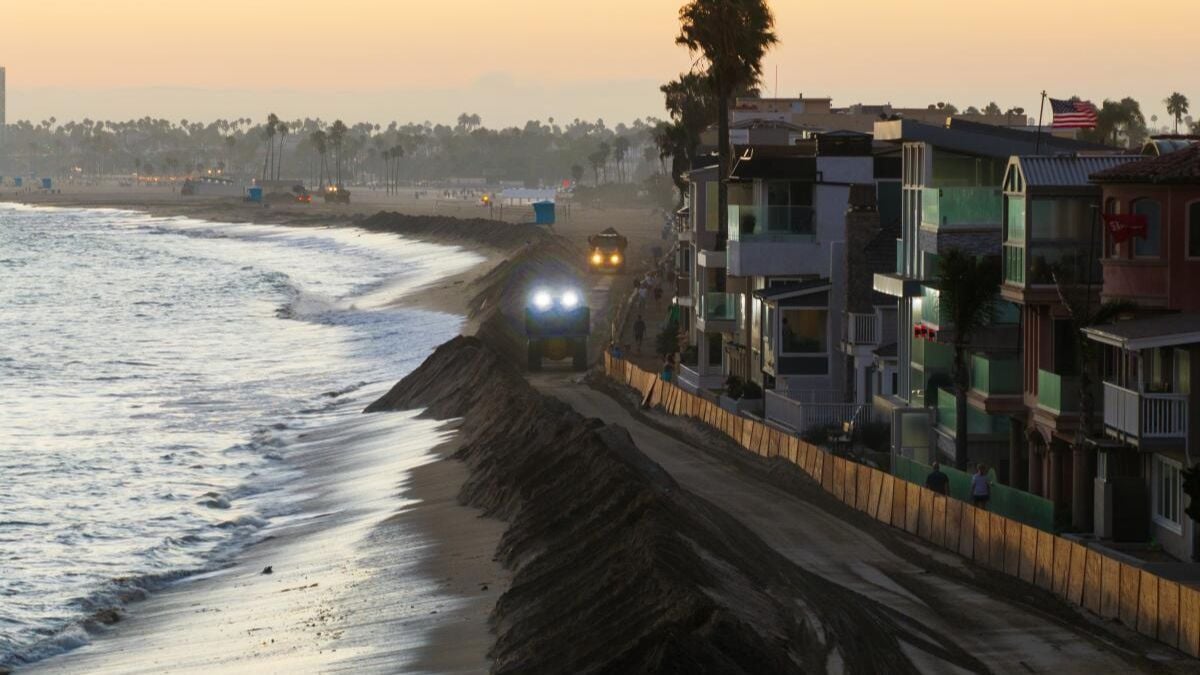
A landmark scientific investigation focusing on the El Nino sea level rise phenomenon has uncovered crucial insights into how terrestrial water storage directly influences global ocean volumes. Researchers analyzing global hydrological cycles have found that the shifting distribution of water across land masses plays a far more decisive role in fluctuating ocean levels during climate events than previously recognized. During major El Nino events, altered weather patterns shift vast amounts of rainfall away from major land basins and into the ocean, temporarily accelerating the rate of global sea level elevation. Understanding this intricate interplay between land-bound moisture and marine dynamics provides environmental scientists and policymakers with a refined framework for anticipating extreme weather impacts and coastal flooding risks.
The Science Behind Land Water Storage and Ocean Level Fluctuations
The global hydrological system acts as a continuous closed loop, redistributing water between continents, the atmosphere, and the world's oceans. Under normal climatic conditions, land masses act as colossal reservoirs, storing billions of metric tons of freshwater within river basins, underground aquifers, soil layers, and seasonal snowpack. However, the onset of an El Nino phase drastically modifies atmospheric circulation patterns across the globe.
During these periods, warmer ocean surface temperatures in the tropical Pacific trigger intense shifts in global precipitation. Tropical rainforest basins frequently experience severe droughts, reducing the amount of water absorbed and retained on land. Concurrently, excessive rainfall shifts directly over ocean surface areas or coastal regions where runoff rapidly returns to the sea. The net reduction in land water storage means that a significant volume of freshwater that would typically remain trapped on continents enters the oceanic system, contributing directly to an observable uptick in global sea levels.
Conversely, during La Nina cycles, the inverse pattern often occurs: continents retain substantially more rainfall, temporarily dampening sea level elevation. This dynamic highlights that global ocean heights do not merely respond to melting polar ice sheets and thermal expansion, but also to the rapid ebb and flow of terrestrial water reservoirs driven by atmospheric oscillations.
Key Findings of the El Nino Hydrodynamic Study
The research highlights several key hydrodynamic factors that reframe how scientists evaluate short-term ocean expansion and retreat:
- Terrestrial Water Depletion: Extended drought conditions over major continental landmasses during El Nino events significantly deplete soil moisture and groundwater tables, transferring that mass directly into ocean basins.
- Precipitation Redistribution: Major weather systems shift away from continental interiors toward coastal and oceanic corridors, accelerating the movement of water into the sea.
- Compounding Coastal Vulnerability: The influx of land-derived water coincides with warm ocean expansion, creating combined sea-level surges that threaten low-lying coastal regions.
- Improved Predictive Modeling: Integrating terrestrial water storage metrics into oceanographic forecasts allows climate researchers to project temporary ocean surges with far greater accuracy.
What This Climate Research Means for Ordinary Citizens
While complex hydrological science can often feel abstract, the findings of this study carry tangible implications for everyday life, particularly for populations living in vulnerable geographic zones:
Heightened Coastal Inundation Risks
Residents residing along coastal regions face an increased frequency of localized flooding during strong El Nino cycles. The temporary surge in sea levels, combined with storm surges, can lead to severe coastal erosion and saltwater intrusion into municipal water supplies and low-lying residential neighborhoods.
Impacts on Agriculture and Food Security
The same atmospheric shifts that drive water off the land and into the sea leave agricultural heartlands battling severe drought conditions. Farmers may experience reduced crop yields, depleted irrigation reservoirs, and soil degradation, which can subsequently drive up food prices in local markets.
Urban Infrastructure Strain
Municipalities in coastal areas may find their drainage infrastructure overwhelmed during high-tide events when regional sea levels are elevated. This increases the likelihood of urban flash flooding and damages transport networks, impacting daily commutes and public safety.
Water Resource Management Challenges
Groundwater recharge rates decline significantly during dry El Nino phases, affecting drinking water availability for inland communities that rely heavily on subterranean wells and local river basins for their daily water supply.
Strengthening Climate Resilience and Community Preparedness
Translating advanced hydrological research into actionable policy is essential for mitigating the societal shocks associated with climate variability. As scientists refine their understanding of how land water movement feeds into sea level changes, regional emergency services, infrastructure planners, and disaster management authorities can issue earlier and more reliable warnings.
Investing in resilient coastal infrastructure—such as enhanced sea walls, natural mangrove restoration, and modernized urban stormwater systems—can help shield communities from temporary sea level spikes. Furthermore, inland communities must prioritize sustainable groundwater management and rainwater harvesting to buffer against severe droughts associated with El Nino occurrences.
Staying Informed and Verifying Official Advisories
Because localized weather impacts vary significantly across different geographical regions, citizens are strongly advised to keep track of seasonal forecasts provided by their national meteorological departments and official environmental agencies. Understanding these global climate drivers empowers communities to proactively adapt to changing environmental conditions rather than responding only when severe weather strikes.
As global climate monitoring continues to evolve, studies examining the relationship between land water storage and ocean levels provide vital tools for public safety and sustainable development. Readers should consult official government bulletins and local environmental advisories to obtain specific, up-to-date regional guidance tailored to their areas.
Source: ARY News
Get alerts in your inbox
Weekly roundup of Punjab schemes, Pakistan jobs, and Gulf opportunities.