Excessive Trans-Fat Found in 26 Banaspati Ghee Samples During Checks
Food quality inspections revealed excessive trans-fat levels in 26 banaspati ghee samples, highlighting health risks and the importance of verified cooking oil standards.
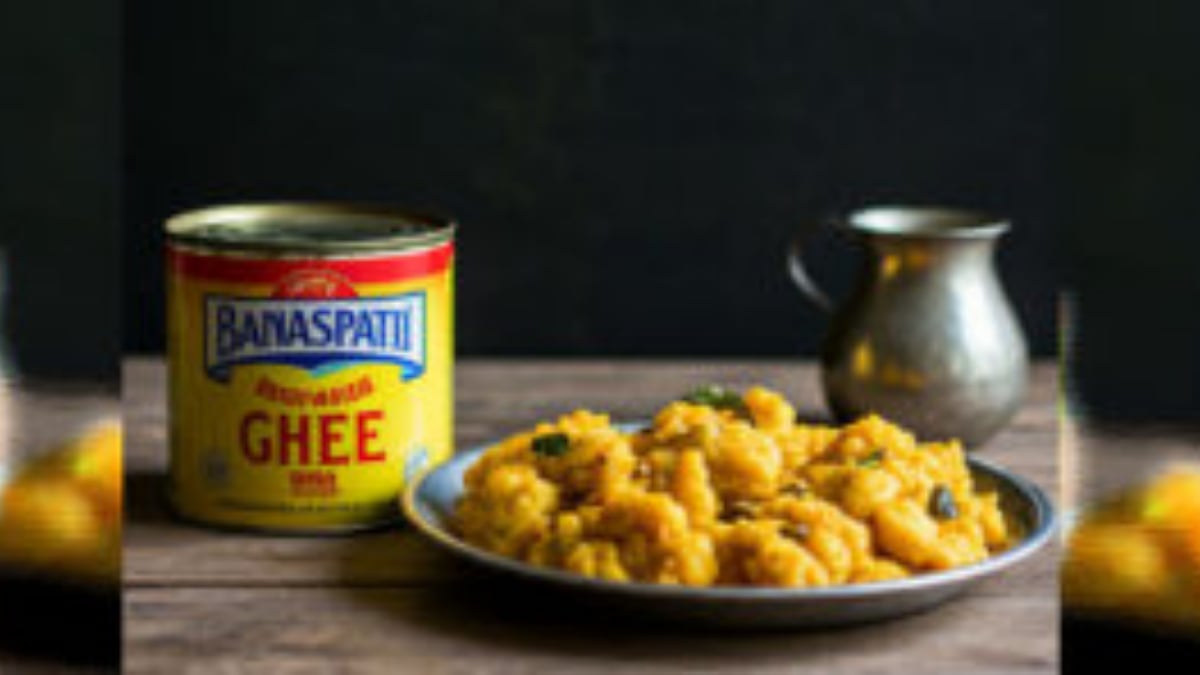
Recent laboratory inspections and quality control drives have highlighted serious public health concerns after testing revealed excessive trans-fat banaspati ghee in twenty-six different market samples. Cooking fats are a foundational component of daily meal preparation across Pakistani households, making strict compliance with national quality parameters crucial for long-term health. When staple dietary products fail to meet established safety limits, it underscores the critical need for routine market surveillance, transparent enforcement, and elevated consumer awareness regarding industrial food processing risks.
Understanding the Discovery of Non-Compliant Ghee Samples
The identification of high trans-fat levels in twenty-six banaspati ghee samples points to ongoing challenges within the vegetable oil processing sector. Banaspati ghee is produced through the partial hydrogenation of vegetable oils, a chemical process designed to solidify liquid oils and extend shelf life. However, improper temperature controls, substandard raw materials, or over-processing during industrial hydrogenation can cause trans-fatty acid concentrations to rise far above acceptable thresholds.
Food testing laboratories evaluate these samples against established chemical criteria to ensure products are safe for human consumption. Parameters evaluated during routine quality audits typically include fatty acid profiles, moisture content, acid value, and the presence of harmful industrial residues. When twenty-six distinct samples fail trans-fat compliance limits, it signals that certain manufacturers may be neglecting mandatory processing standards or utilizing low-grade refinement methods. Because specific brand names and batch numbers vary depending on official testing schedules, consumers are strongly advised to consult the official portals of relevant provincial food authorities to confirm which specific batches have been flagged or removed from market shelves.
What Excessive Trans-Fat in Banaspati Ghee Means for Ordinary Citizens
For ordinary citizens, the presence of elevated trans-fat levels in daily cooking media represents a direct health hazard. Trans-fats are widely recognized by medical professionals as one of the most detrimental dietary fats available. Unlike natural dietary fats, industrially produced trans-fatty acids offer no nutritional benefit and significantly impair cardiovascular health over prolonged periods of use.
Primary Health Concerns Associated with Trans-Fats
Consuming cooking fats loaded with excessive trans-fat can lead to several severe metabolic and cardiovascular complications:
- Increased Cardiovascular Risk: Trans-fats raise low-density lipoprotein (LDL or bad cholesterol) while simultaneously depressing high-density lipoprotein (HDL or good cholesterol), accelerating the risk of clogged arteries and heart disease.
- Systemic Inflammation: Regular intake of high trans-fat foods contributes to chronic vascular inflammation, which is linked to metabolic syndrome, liver strain, and early-onset vascular ailments.
- Heightened Risk of Diabetes: Long-term reliance on high trans-fat cooking media has been associated with insulin resistance, making weight management and blood sugar control increasingly difficult for susceptible individuals.
- Impact on Vulnerable Groups: Elderly individuals, young children, and pre-existing cardiac patients face heightened physiological vulnerability when exposed to substandard dietary fats over long periods.
Given these clear health risks, households must remain proactive when selecting cooking fats for daily meals. Substituting heavily hydrogenated products with healthier, fully refined liquid oils or verified low-trans alternatives can dramatically reduce long-term health burdens for the entire family.
Market Regulations and Quality Control Measures
Regulatory authorities across Pakistan, including provincial food bodies, continue to enforce guidelines aimed at curtailing dangerous trans-fat levels in the public food supply. Global health standards recommend eliminating industrially produced trans-fats or capping them at extremely low percentages within consumer products. Maintaining these standards requires consistent monitoring across manufacturing plants, distribution networks, and retail markets.
When non-compliant products are identified, standard regulatory protocols involve issuing public notices, confiscating affected stock, imposing financial penalties on non-compliant units, and requiring processors to re-calibrate their hydrogenation systems. Industry compliance remains vital to ensure that affordable cooking media do not come at the expense of public well-being.
Safe Practices for Household Consumers
While regulatory enforcement handles commercial compliance, everyday shoppers can take practical steps to protect their household dietary choices. Understanding how to navigate market options reduces the risk of consuming substandard cooking products.
First, citizens should carefully examine nutritional labels on commercial packaging, looking specifically for trans-fat content percentages and official safety certification stamps. Second, consumers should avoid purchasing unpackaged or unbranded cooking oils sold in loose quantities from unverified vendors, as these items rarely undergo quality testing. Finally, households are encouraged to stay updated through verified government press releases and official food authority notices to learn about active product recalls or safety warnings issued in their respective regions.
Ensuring that daily meal preparation relies on safe, compliant ingredients is an essential step toward long-term wellness. Citizens seeking definitive lists of approved or rejected cooking oil brands should always check the official web portals of their respective provincial food regulatory agencies for verified updates.
Source: ARY News
Get alerts in your inbox
Weekly roundup of Punjab schemes, Pakistan jobs, and Gulf opportunities.