Father Claims Mir Raza Ali Met Individuals Above Police Precinct Level
The father of Mir Raza Ali claims his son knew the people he met operated above local police station authority, raising broader questions about citizen rights and procedural transparency.
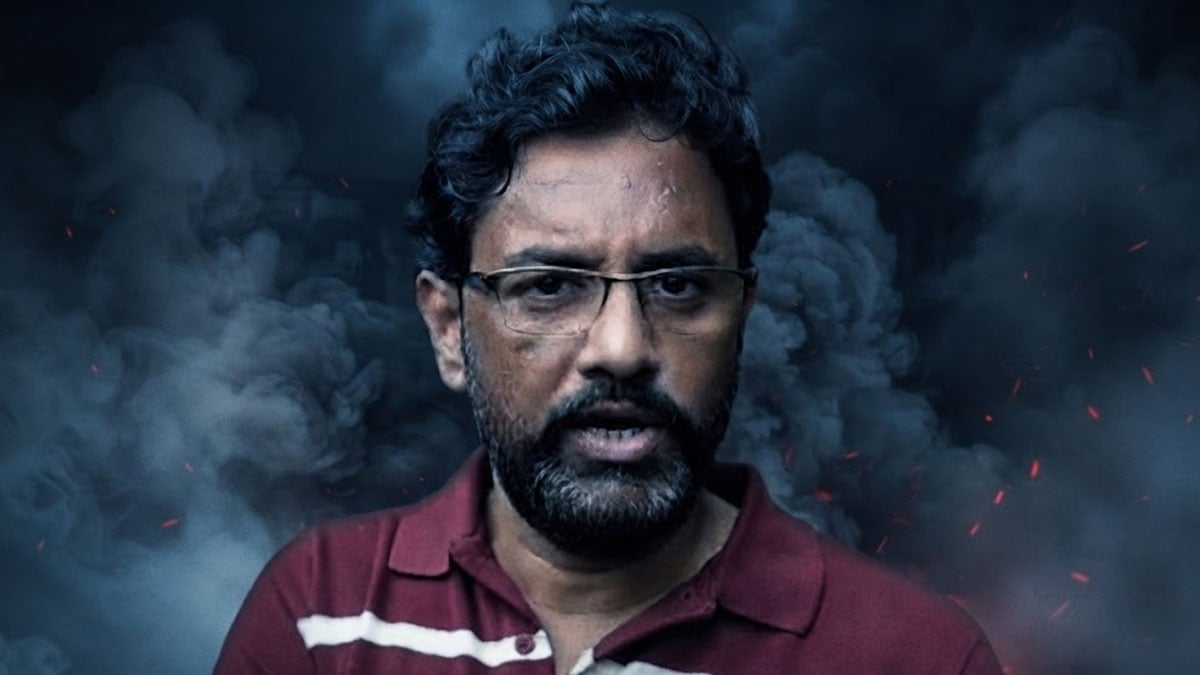
In recent developments concerning the Mir Raza Ali case, statements made by the individual's father have drawn significant public attention regarding how high-level meetings and law enforcement procedures are conducted. According to the father's account, Mir Raza Ali was aware that the figures he was meeting possessed influence and authority operating above the standard police station level. This assertion has sparked widespread discussions regarding official oversight, precinct authority, and the legal protections available to individuals who find themselves called into meetings with powerful or high-ranking entities.
Understanding the Context of the Father's Claim
The claim that certain individuals operate above the jurisdiction of a local police station highlights longstanding public concerns over administrative hierarchy and law enforcement transparency. In many institutional structures, local precinct officers function within strict geographic and procedural boundaries defined by official registers and statutory powers. However, when matters involve higher-level personnel or specialized investigative units, the distinction between standard precinct procedures and elevated oversight can become blurred for ordinary citizens.
According to the statements delivered by the father, Mir Raza Ali had prior knowledge that the meeting involved actors whose organizational reach exceeded that of local station officers. While the exact identities and formal designations of these individuals remain subject to official verification, the statement underlines the critical need for formal documentation whenever citizens are summoned or invited to attend discussions with administrative or security personnel. Without formal records, such as entry logs or official written notices, establishing accountability after the fact becomes exceptionally challenging for families and legal representatives.
Legal analysts note that standard law enforcement operations require every action, summons, and inquiry to be documented in the official station diary, commonly known as the Roznamcha. When interactions occur outside these recognized mechanisms—or under the premise of dealing with authorities who bypass precinct-level scrutiny—the risk of procedural irregularities increases significantly. It is precisely these concerns that make the father's statement a central point of public interest and scrutiny.
What It Means for Ordinary Citizens
The implications of the Mir Raza Ali case extend beyond the immediate details of the statement, offering vital lessons for ordinary citizens navigating encounters with law enforcement or administrative bodies. Understanding legal rights and formal protocols is essential for ensuring personal safety and maintaining procedural integrity during any official inquiry.
For the general public, claims involving authority figures operating above local precinct levels serve as a reminder that constitutional rights remain in effect regardless of the rank or standing of the officials involved. Every citizen has the right to know the legal basis of an inquiry, the identity of the officers or officials conducting it, and the precise nature of any meeting they are asked to attend. The law does not permit informal detentions or unrecorded meetings under the guise of higher-level administrative authority.
When citizens are approached by individuals claiming elevated authority, standard protocol dictates that all communications should be verified through official and traceable channels. Relying on verbal assurances or unverified claims of high-level clearance can leave individuals vulnerable to procedural abuses. Furthermore, citizens should be aware that local police stations are legally obligated to maintain transparency, and higher authorities are equally bound by statutory limits defined by national legislation and judicial oversight.
Essential Guidelines for Public Interactions with Authorities
To safeguard individual rights and ensure transparency during any legal or official interaction, citizens are advised to observe several fundamental safeguards:
- Request Formal Written Summons: Citizens should always request an official, written notice detailing the legal grounds for any meeting or questioning, rather than agreeing to informal or verbal requests.
- Verify Officer Credentials: Always ask for official identification, full names, service numbers, and organizational affiliations before participating in any formal discussion.
- Ensure Formal Registration: Verify that your presence, arrival, and departure are properly logged in the official police station diary (Roznamcha) whenever visiting a law enforcement facility.
- Inform Family and Legal Counsel: Always notify family members, trusted colleagues, or legal advisors about the time, location, purpose, and names of individuals involved in any meeting with authorities.
- Exercise the Right to Legal Representation: Citizens maintain the right to consult a qualified lawyer before providing statements or answering questions during official inquiries.
- Report Procedural Irregularities: If an interaction involves coercion or attempts to bypass formal station procedures, complaints should be promptly lodged with relevant police oversight bodies, human rights commissions, or judicial forums.
Institutional Transparency and the Need for Oversight
The ongoing discourse surrounding the Mir Raza Ali case reinforces the urgent necessity for comprehensive institutional reforms across law enforcement agencies. Ensuring that local police stations operate with complete transparency prevents parallel or undocumented inquiries from taking place. Mechanisms such as police complaint authorities, judicial oversight committees, and digital tracking of station entries play a pivotal role in maintaining public trust.
When allegations arise indicating that certain meetings occur beyond standard precinct accountability, public confidence in basic legal protections can be eroded. Judicial precedents in Pakistan have repeatedly stressed that no administrative or security body operates outside the constitutional framework. Every inquiry, regardless of its sensitivity or high-level involvement, must strictly adhere to due process, judicial oversight, and documented administrative rules.
For families seeking justice or clarity in complex legal situations, relying on verified legal avenues and institutional oversight bodies remains the most reliable path. Independent human rights organizations and statutory complaint cells exist to investigate claims where procedural norms appear to have been compromised or ignored.
Final Observations
The statements made by Mir Raza Ali's father draw necessary attention to the intersection of precinct authority, high-level administrative influence, and citizen safety. While official investigations continue to establish the complete facts surrounding the situation, the public is encouraged to remain informed about their constitutional guarantees and statutory rights. For verifiable updates, citizen guidance, and official announcements, readers should regularly consult formal police communications and verified legal portals rather than unauthenticated reports.
Source: ARY News
Get alerts in your inbox
Weekly roundup of Punjab schemes, Pakistan jobs, and Gulf opportunities.