Gaza Rescuers Report Five Killed Including Two Children in Latest Strikes
Emergency rescue workers in Gaza report that recent Israeli strikes have resulted in five fatalities, among them two young children, amid severe humanitarian distress.
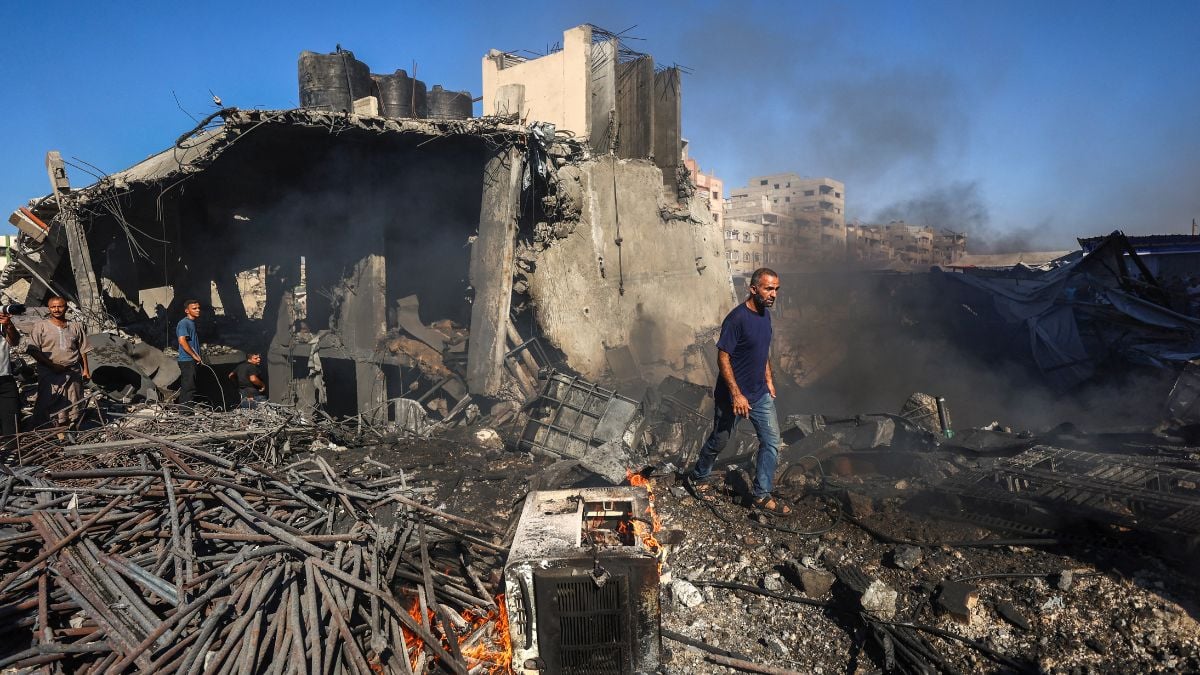
Emergency rescue teams operating in the Gaza Strip have confirmed that recent strikes in Gaza claimed the lives of at least five individuals, including two children. First responders working in intensely damaged neighborhoods reported retrieving the casualties amidst ongoing bombardments, highlighting the persistent danger faced by civilians trapped in high-risk zones. The tragic loss of young lives further underscores the grave toll exacted on non-combatants as emergency personnel struggle against immense logistical hurdles to reach affected residential pockets.
Mounting Pressure on Emergency Responders
Civil defense teams and medical volunteers continue to operate under unprecedented strain across the region. Local rescue units report that basic equipment shortages, combined with hazardous debris and disrupted transit routes, severely limit their ability to conduct rapid search-and-rescue operations. Every localized strike requires immediate mobilization, yet rescue teams frequently find themselves navigating collapsed structures with manual tools while attempting to secure perimeter safety.
First responders have repeatedly voiced alarm over the diminishing capacity of local emergency services. Ambulances frequently face fuel shortages and impassable streets, slowing response times during critical windows when life-saving extrication is most vital. The death of two children in the latest reported incident reflects a broader pattern where residential areas experience acute vulnerability during sudden military action.
What This Development Means for Ordinary Citizens
For everyday families surviving in conflict-affected zones, each escalation brings acute disruption and severe psychological strain. The immediate and secondary impacts on civilian life include:
- Heightened Peril for Minors: Children remain disproportionately susceptible to blast injuries, trauma, and secondary hazards in unstable shelters.
- Severe Shortages of Critical Care: Local clinics and field hospitals operate beyond maximum capacity, often lacking basic surgical supplies, anesthetics, and clean water.
- Erosion of Designated Safe Spaces: With successive strikes across multiple districts, residents face perpetual uncertainty regarding where to seek reliable shelter.
- Communication Blackouts: Damaged network towers prevent separated family members from checking on loved ones or calling for emergency assistance.
The persistent threat of aerial bombardment means normal routines—securing sustenance, finding potable water, or seeking medical checkups—carry life-threatening risks. For parents, protecting young dependents under conditions of widespread structural destruction represents an exhausting daily challenge.
Systemic Challenges Facing Humanitarian Operations
The operational environment for humanitarian agencies remains severely compromised. International relief organizations note that without reliable humanitarian corridors and unhindered access, delivering routine aid packages and vital medical support becomes nearly impossible. Emergency workers tasked with casualty recovery must also manage the risk of secondary structural collapses in weakened multi-story buildings.
Furthermore, the loss of communal infrastructure—such as municipal water mains, power grids, and local bakeries—amplifies the suffering of survivors. When neighborhoods are impacted, the ripple effect extends far beyond the immediate blast zone, leaving surrounding blocks without basic utilities for extended periods.
Global Scrutiny and Independent Verification
International observers and human rights monitors continue to review casualty reports and assess compliance with international humanitarian law. Official monitoring bodies emphasize that the protection of civilians and non-targeted infrastructure is a fundamental legal obligation. While dynamic ground conditions make independent verification complex, rescue organizations maintain exhaustive logs of casualties to document the full scope of human loss.
Readers tracking developments in international policy, regional diplomacy, and humanitarian aid are advised to follow updates from recognized international news agencies and verified humanitarian organizations. As diplomatic efforts continue in international forums, the immediate focus on the ground remains centered on preserving civilian lives and supporting overloaded first responders.
Source: ARY News
Get alerts in your inbox
Weekly roundup of Punjab schemes, Pakistan jobs, and Gulf opportunities.