Government Adjusts Fuel Rates: Petrol Reduced, Diesel Tariff Hiked
The government has announced a price reduction of Re0.94 per litre on petrol and a Re0.54 hike on high-speed diesel in its latest petroleum tariff update.
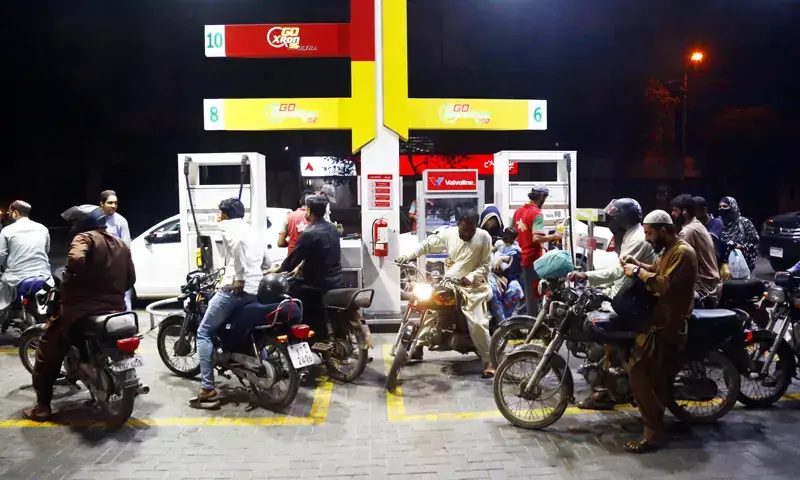
The federal authorities have announced a subtle shift in domestic petroleum tariffs, bringing mixed financial news for consumers across the country. According to the official notification issued by the Petroleum Division on Wednesday, the central government has authorized a minor reduction in consumer petrol costs alongside a slight increase in high-speed diesel tariffs. This recent petrol price revision in Pakistan reflects ongoing adjustments in petroleum pricing mechanics, shifting the retail landscape for individual commuters and commercial operators alike.
Detailed Breakdown of Revised Fuel Rates and Levy Structure
Under the freshly notified pricing schedule, the consumer price for regular petrol has been trimmed down by Re0.94 per litre. Following this marginal relief, the retail cost of petrol now stands at Rs324.98 per litre at refueling stations nationwide. Conversely, high-speed diesel (HSD) has witnessed a price hike of Re0.54 per litre, pushing its retail rate upward to Rs382.79 per litre.
Alongside the updated per-litre consumer prices, official details reveal significant government levies embedded within the total retail structure. The central authority continues to maintain substantial tax components on essential fuels to satisfy revenue requirements. Currently, petroleum products carry the following regulatory levies and duty allocations:
- Petrol Retail Rate: Rs324.98 per litre (after a reduction of Re0.94 per litre)
- High-Speed Diesel Retail Rate: Rs382.79 per litre (after an increase of Re0.54 per litre)
- Duties and Taxes on Petrol: Rs114 per litre enforced in total levies
- Duties and Taxes on High-Speed Diesel: Rs100 per litre enforced in total levies
The imposition of Rs114 per litre in duties on petrol and Rs100 per litre on HSD highlights that taxes form a sizeable portion of the final price paid by end-consumers at the pump. These static tax structures remain a critical element in determining overall petroleum tariffs regardless of minor periodic fluctuations in underlying rates.
What the Latest Price Adjustment Means for Ordinary Citizens
The bi-faceted nature of this price adjustment creates a contrasting economic impact across different segments of Pakistani society. For everyday commuters, private vehicle owners, and motorcycle riders who primarily rely on petrol, the reduction of Re0.94 per litre offers modest financial relief. While a price cut under one rupee per litre may not significantly lower daily transportation budgets, it provides slight respite for family household expenditures in urban and rural centers.
On the other hand, the increase in high-speed diesel prices carries broader macroeconomic consequences that affect general consumers indirectly. High-speed diesel serves as the main primary fuel for heavy commercial transport, including long-haul freight trucks, intercity buses, local delivery vans, and heavy agricultural machinery such as tractors and harvesters. As a result, even a modest hike of Re0.54 per litre in HSD can ripple through the broader economy.
Impact on Goods Transport and Market Inflation
When operational costs rise for transport fleets and logistics providers, those added expenses are frequently passed down along the supply chain. Consequently, ordinary citizens may observe secondary effects in the consumer market, including:
- Freight and Logistics Charges: Increased operational expenditures for cargo carriers transporting essential agricultural produce and manufactured goods between cities.
- Public Transit Fares: Potential upward pressure on intercity bus fares and local transport routes reliant on diesel-powered vehicles.
- Agricultural Input Costs: Elevated operational costs for farmers utilizing diesel generator sets, tube wells, and heavy machinery for field cultivation.
Because diesel directly powers the logistical backbone of the country, any upward revision in HSD tends to exert upward pressure on daily consumer items, potentially dampening the direct relief felt from the minor petrol price reduction.
Navigating the Updated Rates and Official Verification
As these new tariffs take effect following the formal announcement by the Petroleum Division, consumers across all provinces are advised to monitor official communications regarding exact station-level implementation. Gas station operators are required to update their digital dispending meters to reflect the updated Rs324.98 per litre petrol rate and Rs382.79 per litre diesel tariff.
Because fuel pricing parameters and tax distributions can undergo periodic reviews based on official policy guidelines, citizens and commercial fleet operators should routinely verify current rates through official government notifications or authorized petroleum regulatory channels to ensure precise financial planning.
Source: Dawn News
Get alerts in your inbox
Weekly roundup of Punjab schemes, Pakistan jobs, and Gulf opportunities.