Habib Jalib’s Daughter Faces Hurdles Over Running Roadside Food Stall
Reports indicating that the daughter of legendary revolutionary poet Habib Jalib is struggling to keep a small food stall operational have sparked widespread concern regarding self-employment rights and state support for cultural icons.
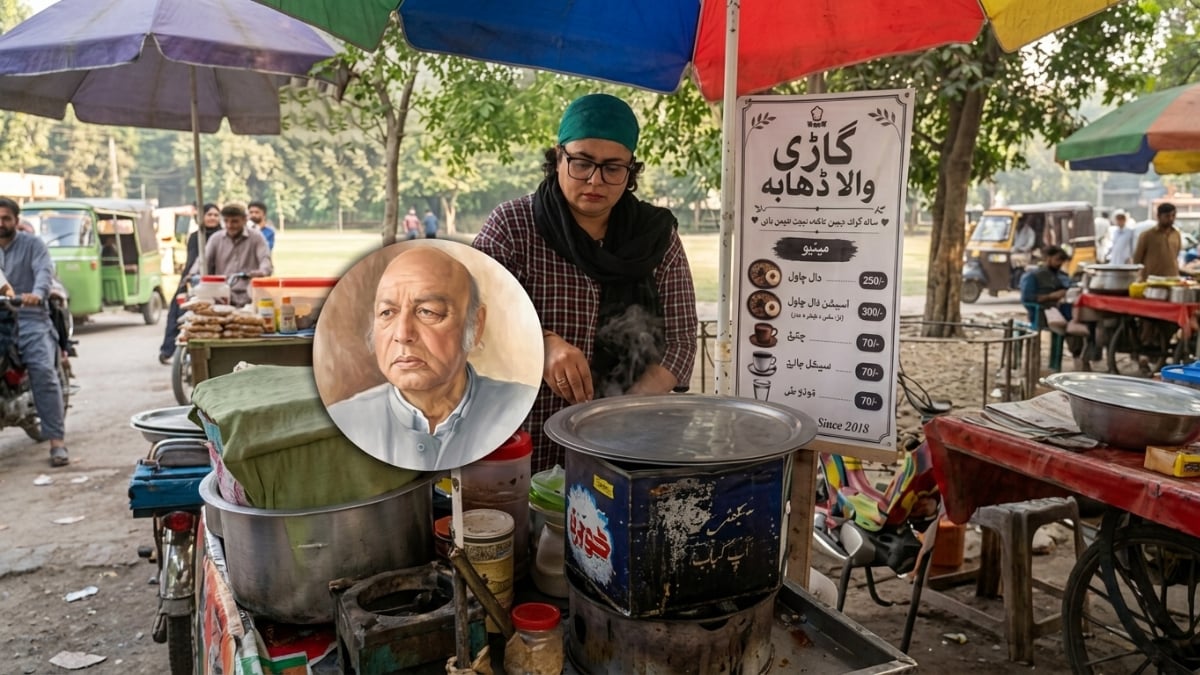
Reports indicating that the Habib Jalib daughter food stall venture is facing operational restrictions have stirred intense public discussion across Pakistan. The daughter of the iconic revolutionary poet, known throughout the nation's history for giving voice to the working class and marginalized communities, has reportedly been prevented from running a modest food kiosk to sustain her household. This development has brought renewed attention to the structural obstacles confronting micro-entrepreneurs, the preservation of cultural heritage, and the fundamental right of ordinary citizens to pursue an honest livelihood free from unnecessary administrative interference.
The Contrast Between Cultural Legacy and Daily Economic Realities
Habib Jalib remains one of the most revered literary figures in South Asia, remembered for his unyielding verses against political authoritarianism, social inequality, and economic oppression. Throughout his life, Jalib aligned himself with the struggles of common laborers, street vendors, and disenfranchised citizens. Decades after his passing, his household's struggle to establish a basic commercial footprint highlights a poignant disconnect between the celebrated public memory of national icons and the tangible support provided to their surviving families.
Rather than relying solely on state patronage or charitable assistance, the family sought financial independence through a small-scale food enterprise. Establishing a food kiosk or roadside stall is a standard, respectable path toward self-reliance in urban centers. However, encountering enforcement barriers or administrative prohibitions at this level underscores how difficult it has become for citizens to launch and sustain basic micro-enterprises without confronting bureaucratic roadblocks.
Administrative Hurdles Facing Small Vendors and Street Enterprises
In many urban jurisdictions across the country, street vendors and small roadside eateries operate in an environment characterized by regulatory ambiguity. Municipal corporations and local administration authorities frequently conduct anti-encroachment drives to maintain traffic flow, pedestrian access, and public order. While maintaining organized public spaces is a legitimate governance objective, the absence of clear vendor protection laws often results in arbitrary enforcement.
Micro-vendors frequently face immediate shut-down orders, confiscation of equipment, or complete eviction without being provided alternative spaces or designated vending zones. For a small family business reliant on daily cash flow, even a few days of disruption can cause severe financial distress. The situation surrounding the food stall highlights the urgent need for local government bodies to establish transparent licensing systems that accommodate street vendors rather than pushing them out of the informal economy entirely.
What It Means for Ordinary Citizens
The challenges surrounding this specific case reflect the broader everyday realities experienced by thousands of self-employed individuals throughout Pakistan. For ordinary citizens attempting to earn a living in a difficult economic environment, setting up a small food cart or roadside business is often the only accessible avenue for survival. When administrative hurdles prevent even high-profile families from maintaining a basic enterprise, it underscores the systemic vulnerabilities present across the informal economic sector.
For the average citizen, this development illustrates several critical systemic challenges:
- Vulnerability of the Informal Sector: Millions of workers operate without formal registration, leaving them vulnerable to sudden administrative decisions, workspace displacement, and loss of daily earnings.
- Gaps in Urban Vendor Regulation: Most cities lack dedicated, regulated street-vending zones equipped with basic amenities such as clean water, waste disposal, and utility connections.
- High Entry Barriers for Self-Employment: Bureaucratic hurdles, unclear permit requirements, and unpredictable local enforcement discourage small-scale micro-investments that help reduce local unemployment.
- Social Safety Net Shortfalls: The lack of comprehensive institutional support for families of historic cultural contributors leaves many exposed to sudden socio-economic hardships.
Policy Mechanisms and Welfare Frameworks for Cultural Families
Beyond the immediate administrative issue of street vending, this event raises important questions about how state institutions safeguard the welfare of literary and artistic heritage families. Cultural departments and official welfare funds exist at both federal and provincial levels to support artists, poets, and intellectual figures who dedicated their lives to public service and culture. However, access to these programs often remains fragmented, slow, or tied to complex procedural requirements.
Policy experts argue that while direct financial grants are important during emergencies, the state must also guarantee that family members of national figures retain the unhindered right to work, trade, and build sustainable enterprises. Facilitating dignity through work—rather than forcing citizens to navigate bureaucratic barriers—aligns with broader principles of economic fairness and social justice.
Essential Steps for Small Vendor Regulation and Public Rights
Addressing the broader issues highlighted by this incident requires systemic adjustments in how local governments manage small-scale trade and informal businesses. Municipal administrators, urban planners, and policy advocates emphasize several key priorities:
- Establishing Designated Micro-Vending Zones: Local authorities should identify specific commercial zones where food stalls and small vendors can operate legally without impeding traffic or public movement.
- Simplified Registration Frameworks: Introducing low-cost, accessible municipal licenses for small vendors ensures legitimate oversight while protecting traders from arbitrary closures.
- Transparent Dispute Resolution: Establishing clear mechanisms for vendors to appeal administrative decisions prevents sudden disruptions to family livelihoods.
- Strengthened Cultural Welfare Oversight: Provincial cultural departments should maintain updated registers to ensure that descendants of historic icons receive official institutional backing when navigating municipal challenges.
Balancing Civic Order and Economic Dignity
The situation regarding the food stall managed by Habib Jalib's family serves as a powerful reminder that economic dignity depends on fair, accessible governance. While municipal authorities must maintain urban organization, policy frameworks should prioritize the protection of honest labor over punitive administrative measures. Ensuring that micro-entrepreneurs can operate safely and legally benefits the wider urban economy, fosters self-reliance, and honors the spirit of social fairness that literary giants like Habib Jalib championed throughout their lives. Citizens seeking official updates regarding local vendor regulations, small business support programs, or municipal permits are advised to consult their respective city administration departments or official government portals directly.
Source: ARY News
Get alerts in your inbox
Weekly roundup of Punjab schemes, Pakistan jobs, and Gulf opportunities.