Hormuz Maritime Movement Drops Following US Threats on Iran
Maritime traffic through the Strait of Hormuz has slowed further following US announcements threatening increased economic pressure against Iran, sparking global energy concerns.
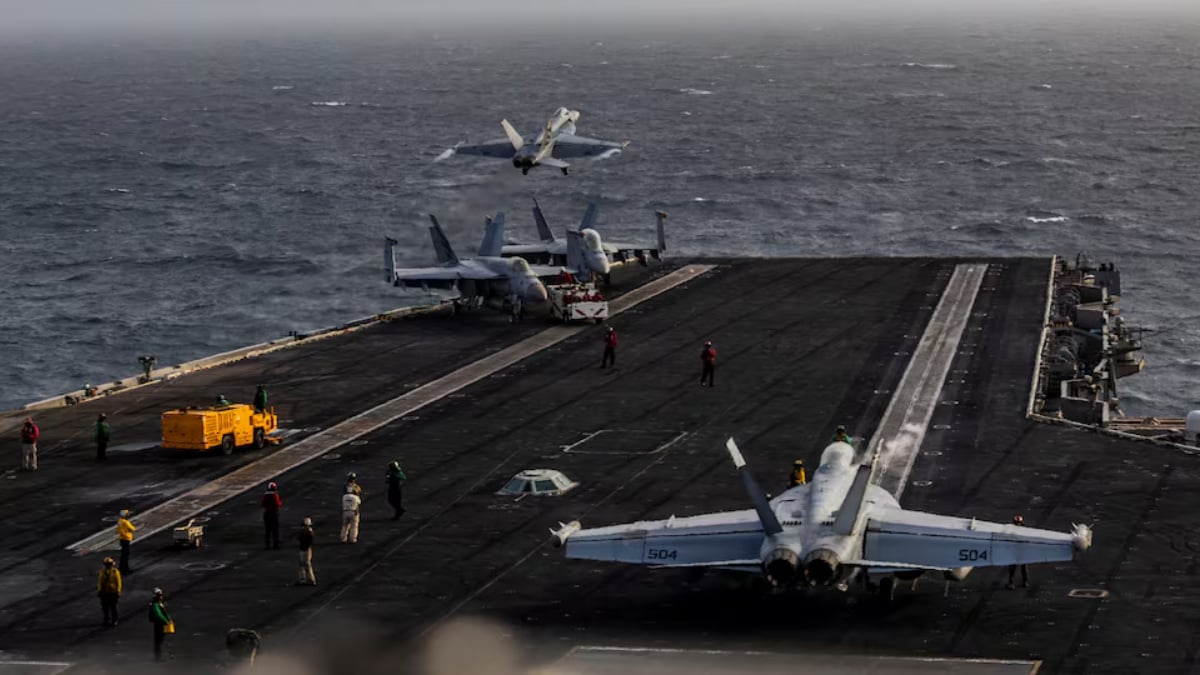
Commercial maritime movement through one of the world's most critical maritime corridors has experienced a notable deceleration as the Strait of Hormuz traffic slowdown intensifies. The reduction in vessel transit follows renewed statements from the United States indicating plans to heighten economic pressure against Iran. Maritime operators, global commodity traders, and energy analysts are closely watching the waterway, which serves as the primary export conduit for oil and liquefied natural gas produced across the Middle East. When geopolitical tensions escalate between Washington and Tehran, commercial shippers routinely adopt protective operational postures, leading to slower navigational speeds, altered passage schedules, and heightened risk assessments across the entire Persian Gulf region.
Rising Tensions and Strategic Bottlenecks
The Strait of Hormuz represents an indispensable artery for international commerce, connecting the petroleum-rich Persian Gulf with the Gulf of Oman and the wider Indian Ocean. Any escalation in political rhetoric or threat of punitive economic sanctions immediately influences the operational calculus of maritime transport companies. Following the latest warnings of intensified economic measures directed at Iran, merchant vessels and international tanker operators appear to be exercising extreme caution. Shipowners often instruct captains to delay passage, await updated security evaluations, or adjust voyage timetables to minimize exposure during periods of acute geopolitical friction.
Economic pressure campaigns historically introduce profound uncertainty into commercial shipping lanes. When the United States signals intent to expand financial and trade restrictions, the ripple effects extend far beyond bilateral diplomacy. Maritime insurers reassess underwriting terms, financial institutions tighten scrutiny over cargo documentation, and international fleets face complex compliance requirements. Consequently, the physical transit of goods slows down as industry stakeholders evaluate the legal, financial, and physical security risks associated with operating in sensitive international waters.
Key Drivers Behind the Current Maritime Slowdown
The sluggish movement of commercial vessels across the Gulf corridor stems from a combination of protective operational measures, regulatory compliance checks, and market adjustments across the international shipping industry.
- Escalated Risk Evaluations: Shipowners and international fleet operators frequently pause or modify transit plans while assessing naval security updates and diplomatic developments in the region.
- Surging Maritime Insurance Costs: Heightened geopolitical friction prompts marine underwriters to elevate war risk premiums, forcing charterers to deliberate carefully before scheduling passages.
- Strict Sanctions and Compliance Scrutiny: Financial institutions, ports, and vessel registries step up due diligence to ensure commercial transactions remain fully compliant with newly threatened or existing economic measures.
- Precautionary Route Adjustments: Vessels navigating near coastal waters often reduce speeds or hold positions in international staging areas outside the strait until commercial clearance and route safety are reaffirmed.
- Global Energy Market Volatility: Commodity traders and refiners adjust their loading and delivery schedules in anticipation of shifting supply dynamics caused by regional shipping delays.
What the Hormuz Slowdown Means for Ordinary Citizens
While maritime disruptions in distant international waters may seem remote, their practical consequences directly affect ordinary citizens and household economies around the world. The Strait of Hormuz is the world's most vital energy transit chokepoint; any impediment to the regular flow of oil and liquefied natural gas creates upward pressure on global benchmark fuel prices. For developing and energy-importing countries, elevated crude prices translate quickly into higher retail petroleum rates at local filling stations.
When fuel prices rise, transportation costs across the entire supply chain surge in tandem. Freight carriers, agricultural distributors, and industrial manufacturers pass these increased operational expenses onto consumers, resulting in higher prices for everyday food staples, consumer goods, and public transportation fares. Additionally, power generation systems reliant on imported energy resources face elevated generation costs, frequently leading to higher residential electricity tariffs and periodic utility surcharges for working-class families.
Furthermore, broader macroeconomic pressures emerge when international shipping bottlenecks persist. National economies with high energy import bills experience pressure on their foreign exchange reserves, which can weaken local currency values and exacerbate broader domestic inflation. For individual consumers, this dynamic ultimately reduces purchasing power and increases the overall cost of living, demonstrating how geopolitical friction in key maritime corridors directly impacts the daily financial well-being of ordinary households.
Long-Term Outlook and Industry Vigilance
The current situation in the Strait of Hormuz highlights the inherent fragility of global trade routes when subjected to international geopolitical maneuvering. Commercial shipping lines are likely to maintain conservative navigation practices until diplomatic tensions ease or clear maritime protection protocols are established. Industry professionals, cargo handlers, and market participants must continue tracking verified updates from international maritime security bureaus and official port authorities to assess evolving transit timelines.
As international stakeholders respond to expanding economic measures and shifting regional policies, monitoring transparent and verified maritime tracking data remains essential. Readers and industry observers are advised to consult official government energy departments and accredited maritime intelligence services for official developments regarding shipping lanes, trade sanctions, and energy supply updates.
Source: ARY News
Get alerts in your inbox
Weekly roundup of Punjab schemes, Pakistan jobs, and Gulf opportunities.