How Middle East Tensions and Oil Market Volatility Impact Pakistan
Explore how ongoing Middle East conflicts and shifting global policies drive oil market volatility and impact everyday citizens.
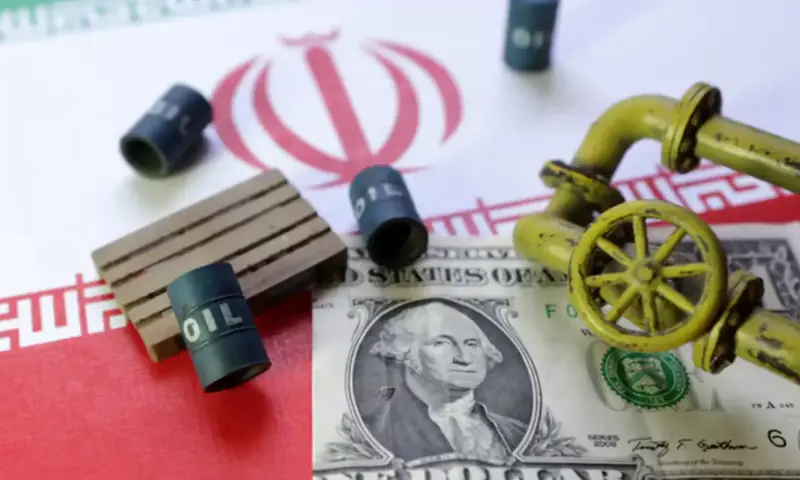
Global energy markets remain highly unpredictable as ongoing geopolitical friction in the Middle East continues to dictate crude prices. For months, escalating tensions involving major regional players and shifting policy signals from Washington have triggered sudden spikes and steep declines in international oil valuations. As analysts closely monitor critical supply corridors like the Strait of Hormuz, the ripple effects of these fluctuations extend far beyond trading floors, directly influencing macroeconomic stability and domestic energy costs in importing nations.
The Anatomy of Global Oil Market Volatility
International petroleum pricing is notoriously sensitive to political instability, particularly when it threatens vital maritime trade routes. The Strait of Hormuz serves as a primary artery for a significant portion of the world's petroleum supply, making any threat of disruption an immediate catalyst for price instability. When regional conflicts flare up or political rhetoric intensifies, energy traders quickly price in potential supply blockades. This dynamic creates a roller-coaster effect where market sentiment can shift drastically from day to day, driven primarily by headlines rather than immediate physical shortages.
What It Means for Ordinary Citizens
For the average household, fluctuations in global crude prices translate directly into everyday economic pressures. When international benchmarks climb due to Middle East strife, the domestic cost of fuel inevitably rises. This upward pressure trickles down through the entire economy, affecting transportation fares, the cost of daily commodities, and electricity tariffs reliant on thermal generation. Because importing nations must purchase energy at prevailing global rates, citizens often bear the brunt of imported inflation. To stay fully informed on how these shifting policies impact local fuel pricing and utility rates, readers should regularly verify updates through official government sources and authorized regulatory announcements.
Key Factors Driving Energy Price Fluctuations
- Persistent geopolitical friction and military standoffs in the Middle East.
- Unpredictable policy statements and shifting diplomatic stances from global leaders.
- Perceived vulnerabilities along critical maritime trade chokepoints.
- Immediate market reactions to news headlines rather than actual supply deficits.
Ultimately, the interconnected nature of the global economy means that regional conflicts thousands of miles away can alter household budgets overnight. Keeping a close eye on authorized economic updates remains the best approach for navigating these unpredictable market conditions.
Source: Dawn News
Get alerts in your inbox
Weekly roundup of Punjab schemes, Pakistan jobs, and Gulf opportunities.