Iftikhar Gillani Elected Azad Jammu and Kashmir Prime Minister
Chaudhry Iftikhar Gillani has been elected as the new Prime Minister of Azad Jammu and Kashmir. Here is a breakdown of the transition and what the new executive leadership means for public governance and citizens.
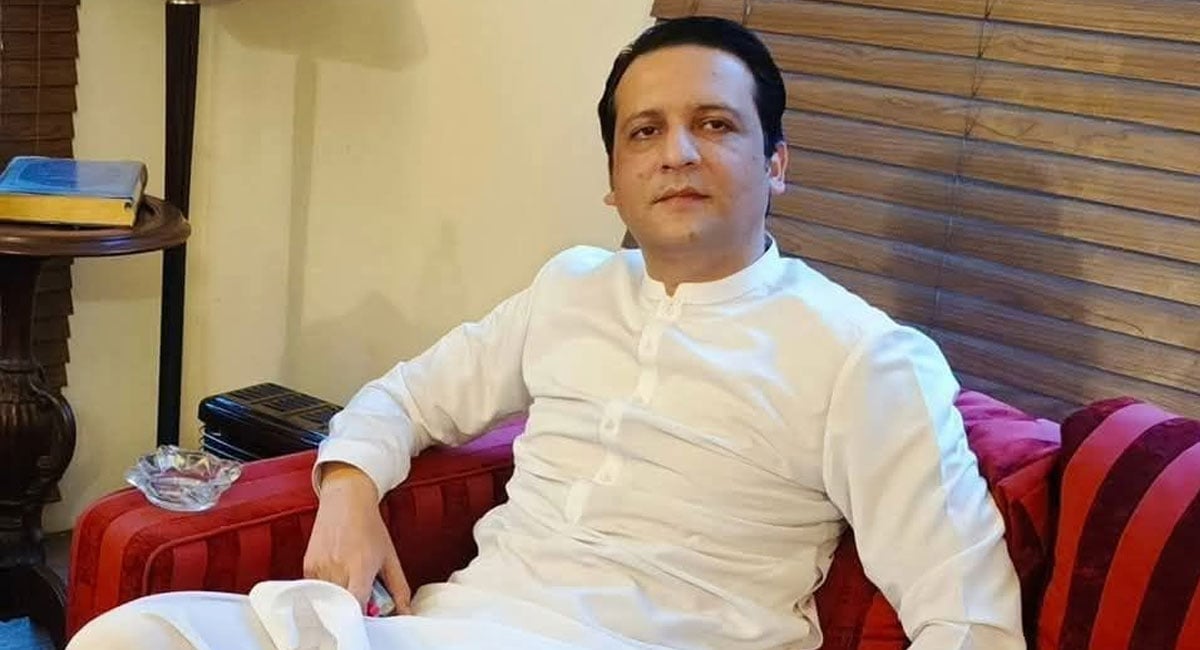
In a significant political development for the region, Iftikhar Gillani elected AJK prime minister following formal proceedings within the Azad Jammu and Kashmir Legislative Assembly. The election marks a crucial administrative pivot as the newly chosen leader steps into the chief executive role to steer governance, regional development policy, and administrative services across the territory. As the chief executive officer of the government, the newly elected leader assumes responsibility for managing public finances, executing legislative mandates, and overseeing public welfare portfolios across all districts of Azad Jammu and Kashmir.
Parliamentary Process and Executive Transition
The selection of the prime minister in Azad Jammu and Kashmir follows established constitutional protocols through a democratic vote within the legislative house. Members of the assembly cast their ballots to elect the leader of the house, who then forms the executive cabinet to manage various government departments. With Iftikhar Gillani elected AJK prime minister, the transition process enters its next operational phase, which involves official notification by the legislative secretariat and the subsequent swearing-in procedure.
Political observers note that democratic transitions within the region require balancing political consensus with urgent administrative priorities. While specific vote counts and political coalition breakdowns should be verified directly through official assembly releases, the immediate focus shifts toward cabinet appointments and departmental assignments. A functioning executive branch is essential for maintaining continuity in state affairs, approving provincial expenditures, and facilitating inter-governmental coordination with federal authorities.
What the Leadership Change Means for Ordinary Citizens
For the residents of Azad Jammu and Kashmir, any leadership change at the top executive level carries direct implications for daily governance, public service delivery, and community welfare programs. The office of the prime minister plays a decisive role in setting budget priorities, authorizing public sector hiring, approving infrastructure schemes, and managing municipal service frameworks.
Under the new executive leadership, ordinary citizens can expect several administrative focal points to take center stage:
- Policy Continuity and New Schemes: Review and execution of existing social safety nets, youth development programs, and community support initiatives across urban and rural union councils.
- Public Sector Employment: Oversight of recruitment drives in government departments, including health, education, and administrative services, ensuring merit-based selection.
- Infrastructure and Energy Projects: Management of regional road networks, clean water delivery systems, and power distribution improvement programs.
- Administrative Accessibility: Directives aimed at improving local district administration efficiency, public grievance redressal mechanisms, and citizen service centers.
- Inter-Governmental Relations: Coordination with federal institutions to secure regional development grants and budgetary allocations.
Changes in top leadership often influence how rapidly development funds are disbursed to local projects. Residents seeking specific administrative updates, public sector recruitment schedules, or application guidelines for regional social assistance programs should consult official department notifications and verified government portals for authentic information.
Key Governance Challenges and Priority Areas
The incoming administration faces a range of immediate governance tasks that require clear policy directives and structured execution. Managing regional fiscal resources effectively while addressing public expectations around economic opportunity and public infrastructure remains a primary task for the chief executive.
Economic Growth and Job Creation
Fostering local entrepreneurship, supporting small business owners, and creating sustainable employment avenues for educated youth remain persistent demands from local communities. The incoming prime minister and executive cabinet will be closely watched for policy measures aimed at attracting investment, enhancing local tourism infrastructure, and supporting agricultural and cottage industries.
Public Infrastructure and Utility Management
Ensuring reliable utility access, upgrading healthcare facilities in remote districts, and expanding educational access are critical ongoing projects. Effective management requires strong oversight from the prime minister's office to ensure that allocated budgets are spent transparently and that project timelines are met without unnecessary delays.
Looking Ahead
As the administration takes form, further announcements regarding portfolio distributions, executive cabinet appointments, and legislative priorities are expected from the official communications team of the legislative assembly. Members of the public, civil service staff, and policy analysts will monitor the initial cabinet decisions to gauge the executive team's broader policy trajectory.
Residents and stakeholders are advised to keep track of official government gazettes and official communications channels for verified updates regarding new policy rollouts, civic notifications, and institutional announcements.
Source: ARY News
Get alerts in your inbox
Weekly roundup of Punjab schemes, Pakistan jobs, and Gulf opportunities.