iOS Beta Code Reveals Unreleased Apple iPhone 18 Models Lineup
A recent software discovery in Apple's operating system beta code has revealed references to unreleased iPhone 18 models, providing early insight into future hardware development.
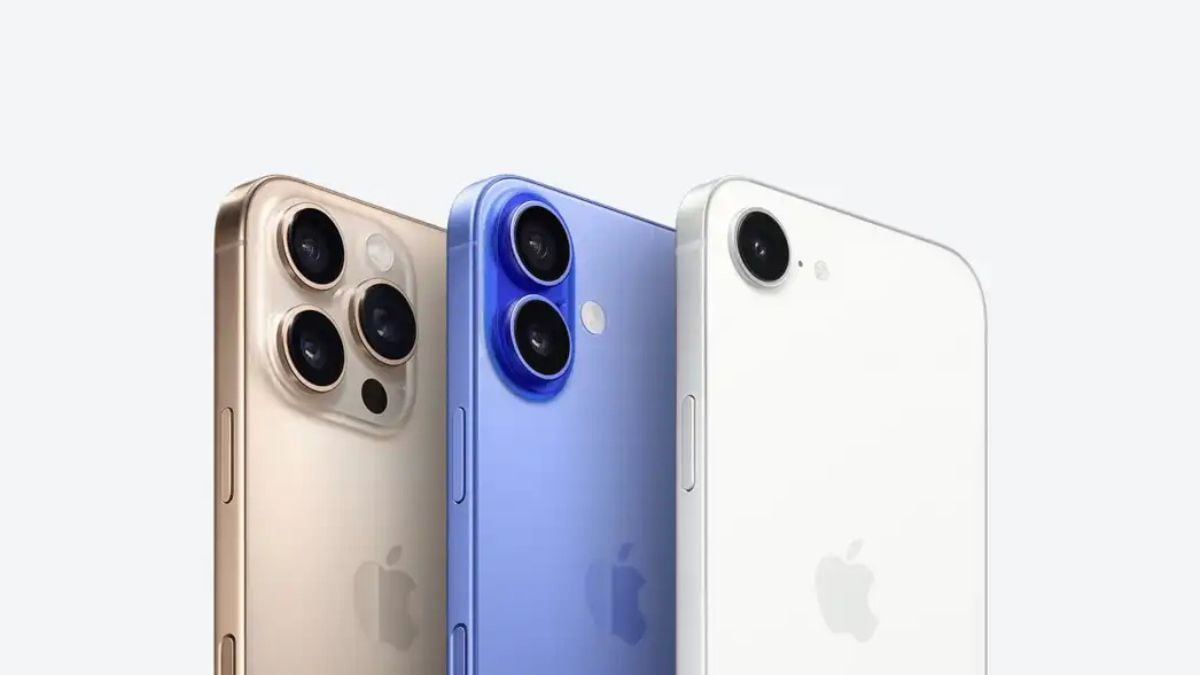
An unexpected software discovery has sparked widespread discussion across the global technology landscape after an early operating system release appeared to expose references to Apple's future smartphone portfolio. The recent iPhone 18 models leak, uncovered deep within beta software code, highlights how pre-release firmware often carries structural identifiers for hardware currently under development. While hardware manufacturers routinely safeguard their upcoming device pipelines, early platform code distributed to developers frequently contains low-level hardware references necessary to ensure operating system compatibility across multiple product generations.
Understanding the Code Discovery in Apple Beta Software
Software beta cycles serve as the proving ground for upcoming features, performance optimizations, and backend architectural updates. During these preliminary testing phases, engineers must configure the operating system to interface with both legacy components and future silicon platforms. In this instance, system code analysis revealed specific hardware identifiers and configuration profiles that correspond to the unreleased iPhone 18 series.
These references typically appear as internal model numbers, board configurations, or processor architecture mappings. Rather than providing detailed consumer-facing marketing materials, firmware code documents the underlying engineering scaffolding required to bridge software functionality with next-generation processing capabilities. The presence of these device tags indicates that development and internal testing of the corresponding hardware generations are progressing through long-term engineering phases.
How Firmware Files Reveal Hardware Roadmaps
Tech analysts and software researchers routinely inspect developer builds to understand future platform capabilities. Operating systems must account for diverse screen aspect ratios, camera subsystems, display refresh rates, and power management protocols long before physical devices arrive on retail shelves. Consequently, internal configuration files often include placeholder entries for unannounced devices.
When developers parse these low-level resources, they frequently uncover a structured sequence of device identifiers. Such discoveries offer early insights into how many variants may be in active testing, how product tiers might be structured, and what base-level architectural shifts are being integrated into the operating system core.
What the Unreleased Lineup Indicates for Future Technology
The unearthing of multiple hardware identifiers suggests that the upcoming smartphone cycle will maintain a multi-tiered approach, addressing diverse user requirements spanning everyday usage to advanced professional computing. As mobile processors increasingly handle intensive computational tasks, artificial intelligence workflows, and high-fidelity graphics processing, early system integration becomes critical.
Software builds that look far ahead into subsequent hardware generations demonstrate the multi-year planning cycles governing the modern consumer electronics industry. Developing custom silicon, camera sensor pipelines, and power-efficient display technologies requires continuous software calibration years prior to formal market release.
- Multi-Device Tiering: Code references reflect ongoing preparation for a broad lineup of standard and premium smartphone tiers.
- Long-Range Software Support: System scaffolding demonstrates that current operating system architectures are engineered to support several future hardware revisions.
- Early Firmware Verification: Developer builds allow internal teams to validate low-level kernel performance against experimental hardware platforms.
- Market Lifecycle Planning: The existence of progressive device identifiers confirms the cyclical nature of annual consumer technology roadmaps.
What This Means for Ordinary Citizens and Consumers
For everyday consumers, keeping track of early software discoveries and device leaks provides valuable context when planning major electronics purchases. Smartphones represent substantial household financial investments, and understanding where the broader industry stands in its release trajectory helps buyers avoid purchasing obsolete equipment right before a major generational shift.
Making Informed Smartphone Purchasing Decisions
Consumers currently contemplating whether to upgrade an existing handset can use long-term product insights to evaluate their immediate needs. If an existing device continues to deliver reliable battery life, consistent app performance, and active security updates, waiting for future hardware milestones can often yield greater technological advancements and better overall value.
Conversely, for individuals needing an immediate replacement due to hardware failure or discontinued software support, current-generation devices offer mature, proven performance. Early software leaks serve as an analytical roadmap rather than an urgent signal to delay necessary replacements.
Budgetary Considerations and Secondary Market Trends
The progression of new hardware references also impacts the broader secondary smartphone market. As newer generations move closer to commercial release, previous-generation handsets typically experience price adjustments across certified pre-owned and refurbished retail channels. Budget-conscious consumers who monitor these development timelines can strategically time their purchases to take advantage of seasonal price reductions on older, fully capable devices.
Navigating Speculation Versus Official Announcements
While software code provides authentic technical evidence of internal hardware testing, readers should exercise discernment when interpreting early leaks. Code identifiers confirm the existence of engineering prototypes and software testing configurations, but they do not disclose final commercial specifications, pricing structures, or regional release schedules. Manufacturers frequently adjust product features, naming conventions, and hardware configurations throughout the prototyping phase.
Consumers and enterprise technology buyers are advised to monitor official announcements from Apple for confirmed technical specifications, official retail availability dates, and warranty policies once the products are formally unveiled.
Source: ARY News
Get alerts in your inbox
Weekly roundup of Punjab schemes, Pakistan jobs, and Gulf opportunities.