Iran and Oman Continue Bilateral Talks on Crucial Strait of Hormuz Accord
Iran and Oman are continuing their joint efforts to finalize a strategic accord regarding the Strait of Hormuz, according to a senior Iranian official source.
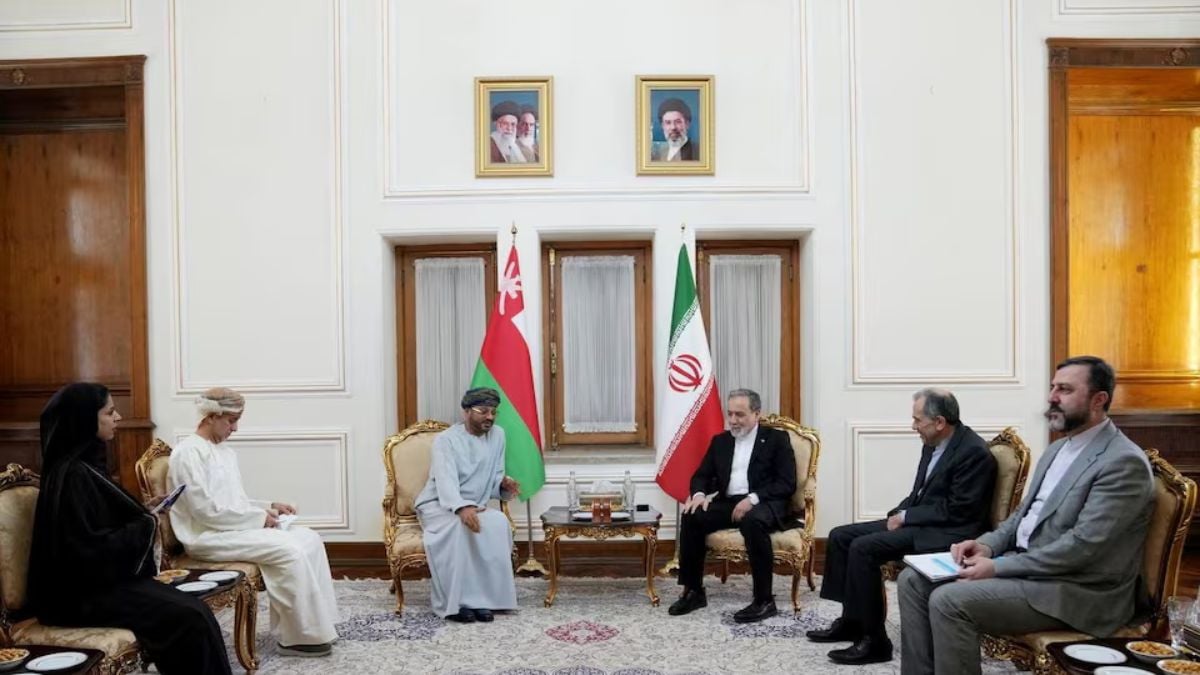
Diplomatic consultations between Tehran and Muscat remain active as both regional neighbors continue their joint efforts to finalize a comprehensive Strait of Hormuz accord. According to a senior Iranian official source, the two nations are persistently engaging through diplomatic channels to establish mutual understandings and formal frameworks regarding one of the most strategically significant maritime transit routes in the world. While specific technical parameters and formal signing timelines remain subject to ongoing deliberations, the confirmation of sustained dialogue underscores a shared commitment to maritime governance, regional coordination, and diplomatic engagement along the vital maritime corridor.
The Diplomatic Backdrop of Iran-Oman Maritime Cooperation
Oman and Iran share direct geographic oversight of the Strait of Hormuz, the narrow waterway separating the Persian Gulf and the Gulf of Oman. Over decades, Muscat has maintained a distinct and balanced foreign policy, frequently serving as a trusted intermediary and cooperative partner in regional affairs. The current discussions on a bilateral maritime agreement reflect this ongoing diplomatic tradition, demonstrating that formal mechanisms between littoral states remain a priority for regional statecraft.
According to information disclosed by a senior Iranian source, both nations have not halted their collaborative work on this initiative. The talks emphasize steady diplomatic engagement, aiming to establish structured protocols that address mutual interests in the shared waterway. For observers tracking Middle Eastern diplomacy and international maritime governance, the continuation of these negotiations demonstrates that both governments view bilateral consensus as a critical instrument for managing regional waters.
While comprehensive draft texts have not been made publicly available, bilateral accords of this nature typically address critical operational areas, including navigational safety, bilateral communication channels, environmental preservation, and the management of commercial shipping lanes. Because both nations hold direct responsibility for ensuring smooth transit along their respective territorial waters, reaching common ground provides a stabilized framework for regional maritime traffic.
The Global and Regional Importance of the Strait of Hormuz
The Strait of Hormuz stands as the world's most critical maritime chokepoint for energy transit. A massive proportion of global petroleum, petroleum products, and liquefied natural gas passes through this narrow passage daily, connecting major energy producers in the Gulf with primary consumption markets across Asia, Europe, and beyond.
Given the sheer volume of international trade traversing this narrow corridor, any bilateral understanding or formal framework established between Iran and Oman carries substantial implications for broader maritime stability. A structured accord helps ensure:
- Enhanced Navigational Coordination: Predictable operational protocols for commercial vessels operating in adjacent territorial waters.
- Strengthened Communication: Direct bilateral mechanisms to resolve maritime issues and prevent misunderstandings between littoral authorities.
- Maritime Environmental Protection: Collaborative oversight to address potential ecological risks, oil spills, and vessel traffic management.
- Energy Supply Chain Continuity: Reassurance for international commercial shipping and cargo logistics operating across the Arabian Sea and Persian Gulf.
Because the waterway plays such a decisive role in the global energy market, stability along its channels directly impacts insurance premiums for commercial vessels, freight rates, and international commodity indices. Bilateral agreements that foster predictable diplomacy between coastal authorities are widely viewed by maritime policy analysts as foundational to regional order.
What the Strait of Hormuz Accord Means for Ordinary Citizens
While high-level diplomatic negotiations often appear distant from daily life, strategic developments in the Strait of Hormuz have direct, tangible impacts on ordinary citizens, consumers, and small businesses across South Asia and the broader global economy.
1. Domestic Fuel Prices and Inflationary Pressures
Developing nations, including Pakistan, rely heavily on energy imports sourced directly from Gulf producers. Any heightened tension or operational uncertainty in the Strait of Hormuz often triggers immediate volatility in global crude oil benchmarks. When international oil prices rise, domestic fuel tariffs, public transportation fares, and power generation costs follow suit. Conversely, constructive diplomatic progress and structured accords between littoral states help maintain steady maritime trade, moderating the risk of sudden price shocks at domestic fuel stations.
2. Cost of Essential Consumer Goods and Food Security
Modern supply chains are intrinsically linked to energy and shipping costs. When maritime corridors operate under stable bilateral agreements, freight insurance rates stabilize and logistics routes face fewer disruptions. For the average household, this stability prevents secondary inflation on imported agricultural inputs, fertilizers, edible oils, and essential consumer goods that rely on maritime transport through regional waters.
3. Economic and Employment Stability for Overseas Workers
Millions of citizens from Pakistan and neighboring South Asian nations live and work across the Gulf region. Regional stability directly fosters economic productivity, infrastructure investment, and commercial expansion in host countries, which in turn secures the livelihoods and remittance flows of overseas workers. Steady diplomatic relations and secure waterways ensure that broader economic activities in the region continue without disruptive maritime friction.
Verifying Official Updates on International Accords
As discussions between Iranian and Omani authorities continue, citizens, policy analysts, and commercial stakeholders should rely exclusively on verified communications released by official diplomatic channels. Because technical discussions on maritime accords involve multiple ministries and legal bodies, conclusive details will emerge through formal state communiqués and joint declarations once finalized.
The desk at cmschemespunjab.pk will continue to monitor regional policy developments and their economic implications, ensuring that citizens receive accurate, objective, and timely information regarding matters that shape economic and regional stability.
Source: ARY News
Get alerts in your inbox
Weekly roundup of Punjab schemes, Pakistan jobs, and Gulf opportunities.