Iran Permits Iraqi Oil Tankers Passage Through Strait of Hormuz
Iran has authorized a number of Iraqi oil tankers to navigate through the Strait of Hormuz, impacting regional energy logistics.
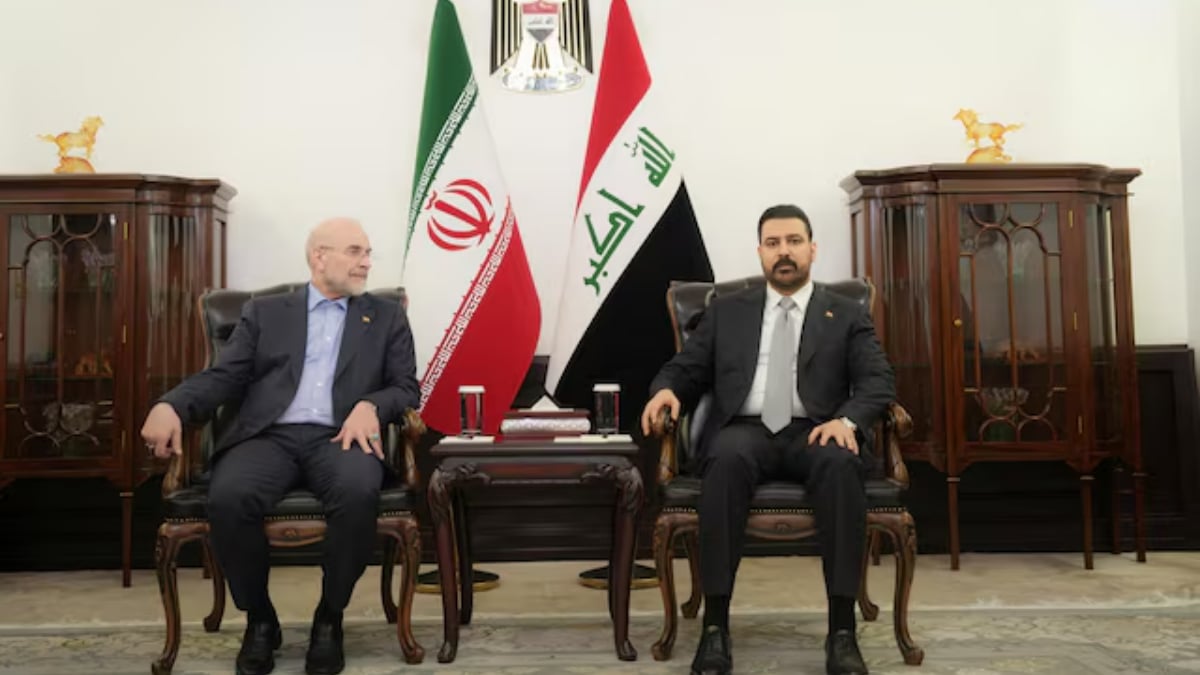
Strait of Hormuz transit updates have taken center stage as regional energy logistics experience notable shifts. Iranian authorities have officially granted permission allowing a designated number of Iraqi oil tankers to navigate through the critical Strait of Hormuz. This vital maritime passage serves as a primary artery for global petroleum transport, making any regulatory adjustments or transit approvals a matter of intense international scrutiny.
Understanding the Transit Approval and Maritime Context
The Strait of Hormuz represents one of the most strategic maritime chokepoints in the world, connecting the crude-rich Persian Gulf with the broader international waters of the Gulf of Oman and the Arabian Sea. A significant portion of the planet's petroleum supply relies on safe, uninterrupted navigation through this narrow corridor. By permitting specific Iraqi oil vessels to transit, the arrangement highlights ongoing discussions and administrative coordination regarding regional shipping lanes and export routes.
While the exact number of authorized vessels and the specific operational parameters remain defined by the involved parties, the decision points toward pragmatic approaches to managing regional maritime traffic. Analysts monitor such developments closely because they directly influence how smoothly energy commodities move from production hubs to international markets. Observers interested in the precise details of these maritime permissions should consult official government statements and authorized port authority notifications for verified updates.
What This Means for Ordinary Citizens
Global energy markets and local economic conditions are deeply interconnected, meaning that shifts in major shipping lanes can eventually ripple down to everyday households. When petroleum transit flows efficiently through vital corridors like the Strait of Hormuz, it helps stabilize global crude supplies. Stability in the international energy sector typically translates into more predictable fuel pricing at domestic pumps, which in turn affects the cost of public transport, manufactured goods, and basic daily commodities.
For the average citizen, understanding these macroeconomic connections emphasizes why international shipping policies matter beyond the realm of geopolitics. Even though individual consumers have no direct control over maritime logistics, monitoring how regional supply routes operate provides clarity on broader economic trends. Readers are advised to follow dependable news outlets and official economic updates to track how international energy movements may influence daily living expenses over time.
- Monitor verified news portals for official updates regarding regional maritime transit.
- Understand that international energy flows can indirectly impact local fuel and commodity pricing.
- Rely on official government announcements rather than unverified rumors concerning trade agreements.
- Consult primary sources for precise data on energy export logistics and vessel permissions.
Ultimately, developments concerning the Strait of Hormuz remind us of the fragile balance required in global trade. As administrative protocols continue to evolve across regional shipping lanes, staying informed through credible reporting remains the best approach for understanding the broader implications of these maritime decisions.
Source: ARY News
Get alerts in your inbox
Weekly roundup of Punjab schemes, Pakistan jobs, and Gulf opportunities.