Jamaat-e-Islami Announces Wheel-Jam Strike After 12 Rabi-ul-Awwal
Jamaat-e-Islami has formally announced a nationwide wheel-jam strike set to take place after 12 Rabi-ul-Awwal, signaling potential widespread public and commercial transport disruptions across Pakistan.
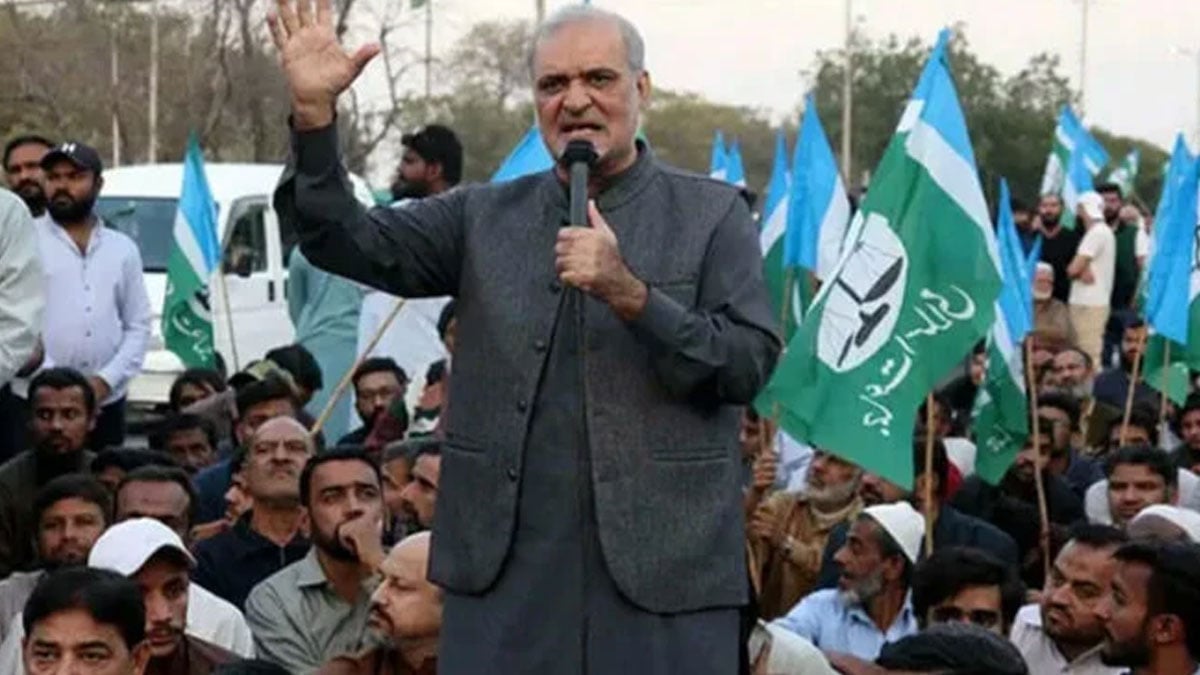
The announcement of a nationwide Jamaat-e-Islami wheel-jam strike scheduled to take place after 12 Rabi-ul-Awwal has drawn significant attention across political and public spheres in Pakistan. Political demonstrations and organized shutdowns often create major shifts in daily routines, affecting everything from city transit systems to commercial supply chains. With religious activities taking center stage during the sacred occasion of 12 Rabi-ul-Awwal, the political leadership chose to place their protest timeline immediately following the observance. This strategic decision ensures that religious commemorations proceed without disruption while setting the stage for political mobilization right afterward. For residents, business owners, and daily commuters, understanding the broader implications of such callouts is vital for planning work routines, educational schedules, and essential travel across various regions.
Understanding the Context and Timing of the Callout
Major political organizations frequently utilize public strikes as a primary mechanism to voice grievances regarding economic policies, governance matters, and public welfare concerns. By scheduling the demonstration after 12 Rabi-ul-Awwal, the organizers aim to maintain respect for public religious gatherings while asserting their political position immediately upon the conclusion of the holy period. Demonstrations of this scale typically involve coordination across various provincial and district chapters, aiming to halt vehicular movement and bring commercial hubs to a temporary standstill.
Historically, when major political groups call for full-scale transport shutdowns, the response varies across regions depending on local leadership strength, community engagement, and regional administrative measures. Urban centers such as Karachi, Lahore, Peshawar, Rawalpindi, and Quetta often experience varying degrees of impact during such events. While some areas might see completely empty thoroughfares and closed bazaars, others might operate under heightened security with partial commercial activity. Regardless of the exact scale, the anticipation of a major protest prompts local administrative bodies, security agencies, and transport unions to evaluate their operational readiness and safety protocols.
What the Wheel-Jam Strike Means for Ordinary Citizens
For the general public, a major protest event introduces several operational challenges that require proactive planning and situational awareness. The primary area of disruption during any transport-related protest is public transit. Bus services, intercity routes, auto-rickshaws, and ride-hailing platforms frequently restrict their operations to prevent damage to vehicles or avoid gridlocks caused by localized road blockades.
The economic and operational impact on ordinary citizens can be felt across multiple daily activities:
- Intercity and Local Commutes: Long-distance bus services and intra-city public transport routes may experience severe suspensions, leading to potential delays for commuters attempting to reach workplaces or educational institutions.
- Commercial Markets and Business Operations: Key wholesale markets, trade centers, and retail shops often adjust their opening hours or remain completely closed during call-outs to protect staff, property, and merchandise.
- Supply Chain and Daily Logistics: Freight movement, goods transport, and delivery services supplying fresh produce, dairy, and consumer products can face delays due to highway checks or localized blockades.
- Educational Institutions and Examinations: Schools, colleges, and universities located in major metropolitan areas may issue temporary schedule revisions or shift to online platforms if road conditions hamper safe travel.
- Medical and Emergency Access: While emergency medical services and ambulances are typically granted pass-through rights during strikes, general patient transit to outpatient departments and routine medical appointments can become difficult due to traffic diversions.
Expected Government Response and Administrative Measures
Whenever nationwide political demonstrations are announced, law enforcement authorities and provincial governments step up administrative protocols to maintain public order and secure critical infrastructure. District administrations typically monitor sensitive transit points, government buildings, and main commercial zones to ensure that public safety remains prioritized throughout the day.
Citizens can expect visible security presence across primary expressways, major intersections, and entrance points to major cities. In some instances, traffic diversions are put in place by city traffic police to guide motorists away from potential assembly sites or blocked routes. Local authorities often issue real-time traffic advisories through state media and verified administrative channels to keep commuters informed about safe travel corridors. Staying informed through official government communications and local news updates is the most effective way for residents to navigate potential transit adjustments smoothly.
Practical Advice for Navigating Potential Disruptions
Managing daily tasks during a scheduled political protest requires careful preparation. Commuters who rely on public transportation should plan their routes well in advance, check for updates from local transit authorities, and consider completing urgent errands prior to the date of the protest.
Businesses and daily wage workers should also account for potential schedule variations. Maintaining flexibility in work hours, arranging alternative commuting options where possible, and keeping essential household supplies stocked can help mitigate the immediate inconveniences caused by public road blockades. For specific schedules regarding public transit operations, market timings, and municipal services, citizens are strongly advised to check official press releases from their respective district administration offices and municipal corporations.
As the post-12 Rabi-ul-Awwal period approaches, staying observant and informed remains essential for every citizen. While political movements continue to shape national events, verified local advisories provide the best guidance for managing personal schedules and ensuring safe travel across affected regions.
Source: ARY News
Get alerts in your inbox
Weekly roundup of Punjab schemes, Pakistan jobs, and Gulf opportunities.