Japan Expands Crude Supply Diversification and Backs Hormuz Bypass Routes
Japan is enhancing its long-term energy security by pursuing crude supply diversification and backing pipeline infrastructure that bypasses the Strait of Hormuz.
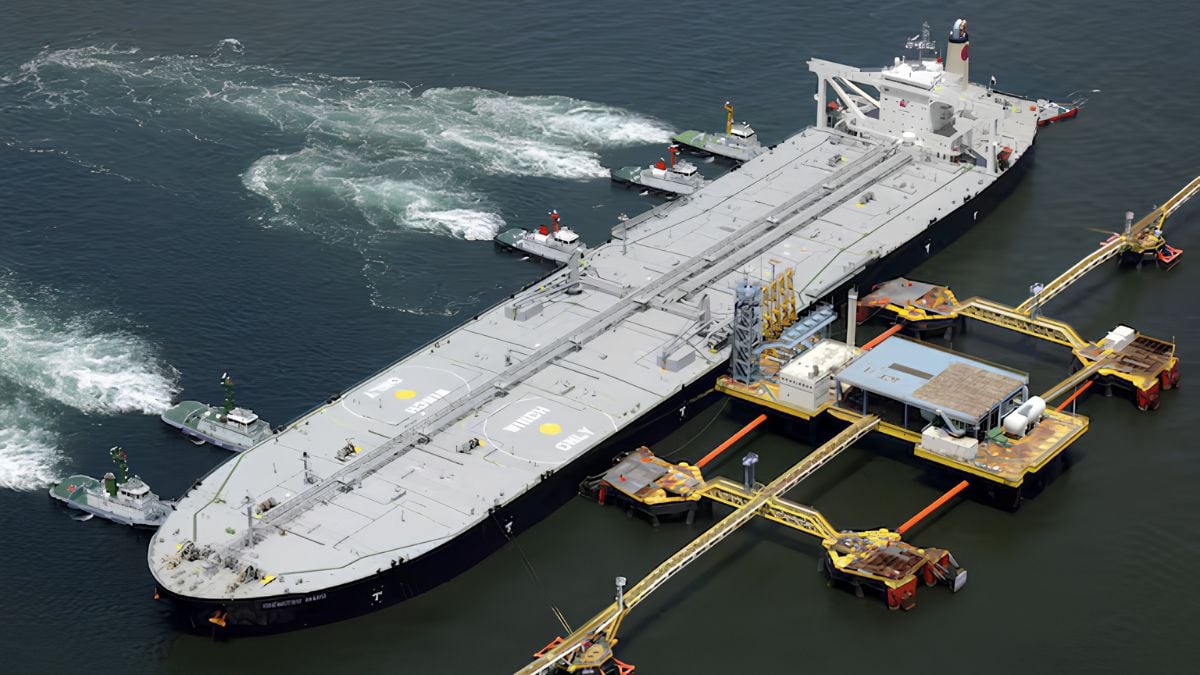
In a major strategic policy shift aimed at strengthening national energy resilience, Japan is prioritizing comprehensive Japan crude supply diversification initiatives while actively supporting pipeline projects that bypass the vulnerable Strait of Hormuz. As one of the world's primary energy consumers, the nation relies heavily on imported petroleum to power its manufacturing industries, transport infrastructure, and commercial sectors. Recent geopolitical developments and maritime security challenges have highlighted the risks associated with narrow shipping routes, prompting government planners and industry leaders to re-evaluate their long-term supply chain strategies.
Strategic Reasons Behind Bypassing the Strait of Hormuz
The Strait of Hormuz remains one of the world's most critical maritime chokepoints, handling a significant fraction of daily global petroleum shipments. Any operational disruption, military tension, or blockade along this narrow waterway can instantly trigger turmoil across international energy markets, leading to sudden price surges and acute logistics bottlenecks for importing nations.
For resource-scarce economies like Japan, ensuring a continuous and predictable flow of crude oil is not merely a commercial priority; it is fundamental to maintaining national economic stability. By backing alternative pipeline infrastructure that delivers crude directly to ocean terminals located beyond the Strait, Japan seeks to protect its energy imports from sudden regional crises and reduce the overall exposure of its shipping fleets.
Key Components of Japan's Energy Security Strategy
Executing a successful diversification strategy requires a combination of international diplomatic collaboration, trade realignment, and direct investment in infrastructure. Japanese planners are working alongside global partners to expand access to alternative energy corridors and secure reliable off-take agreements.
Core elements of this comprehensive policy framework include:
- Pipeline Infrastructure Support: Investing in and providing technical backing for overland pipelines that deliver crude oil directly to deep-water ports outside high-risk shipping corridors.
- Geographic Supplier Diversification: Expanding energy import contracts with suppliers across North America, West Africa, and Latin America to minimize over-reliance on any single region.
- Strategic Petroleum Reserve Management: Maintaining extensive domestic stockpiles to buffer local industries against sudden international supply shocks.
- Maritime Lane Security: Cooperating with international maritime safety bodies to ensure commercial vessel navigation remains safe across open oceanic trade routes.
What This Development Means for Ordinary Citizens
While international energy infrastructure decisions are made at the governmental and corporate levels, their practical impacts directly affect the everyday lives of ordinary consumers and small business owners. Energy supply security forms the foundation of stable retail prices, transport affordability, and general economic health.
For everyday citizens, the push toward alternative crude supply routes brings several important benefits:
- Pump Price Stability: By mitigating the threat of sudden supply disruptions, diversification helps reduce extreme volatility in local fuel and diesel prices at petrol stations.
- Lower Consumer Inflation: Because transport and energy costs influence the price of everyday consumer goods, stable crude supplies help keep food, logistics, and utility expenses manageable.
- Industrial Job Protection: Reliable energy deliveries ensure factories and commercial enterprises operate without fuel rationing or forced downtime, protecting local employment.
- Global Market Relief: When a major energy importer secures alternative supply chains, global market panic is minimized during geopolitical tensions. This broader market cushion helps keep international crude prices stable, indirectly benefiting consumer economies worldwide, including fuel-importing nations like Pakistan.
Long-Term Outlook and Supply Chain Resilience
As the international trade environment grows increasingly complex, the shift toward diversified supply lines represents a prudent approach to economic governance. Japan's proactive backing of pipelines that bypass vulnerable chokepoints reflects a broader trend among major industrial nations seeking to insulate their economies from unexpected external shocks. Over the coming years, the expansion of overland transit alternatives alongside traditional maritime routes is expected to enhance global supply chain reliability.
Readers and industry observers interested in tracking official energy policies, trade figures, and regulatory updates should always consult verified statistics published directly on official government portals and international energy agency databases.
Source: ARY News
Get alerts in your inbox
Weekly roundup of Punjab schemes, Pakistan jobs, and Gulf opportunities.