KP Govt Decides to Change Police Chief in Major Administrative Reshuffle
The Khyber Pakhtunkhwa government has decided to replace its top police officer, marking a major leadership transition in the provincial law enforcement setup.
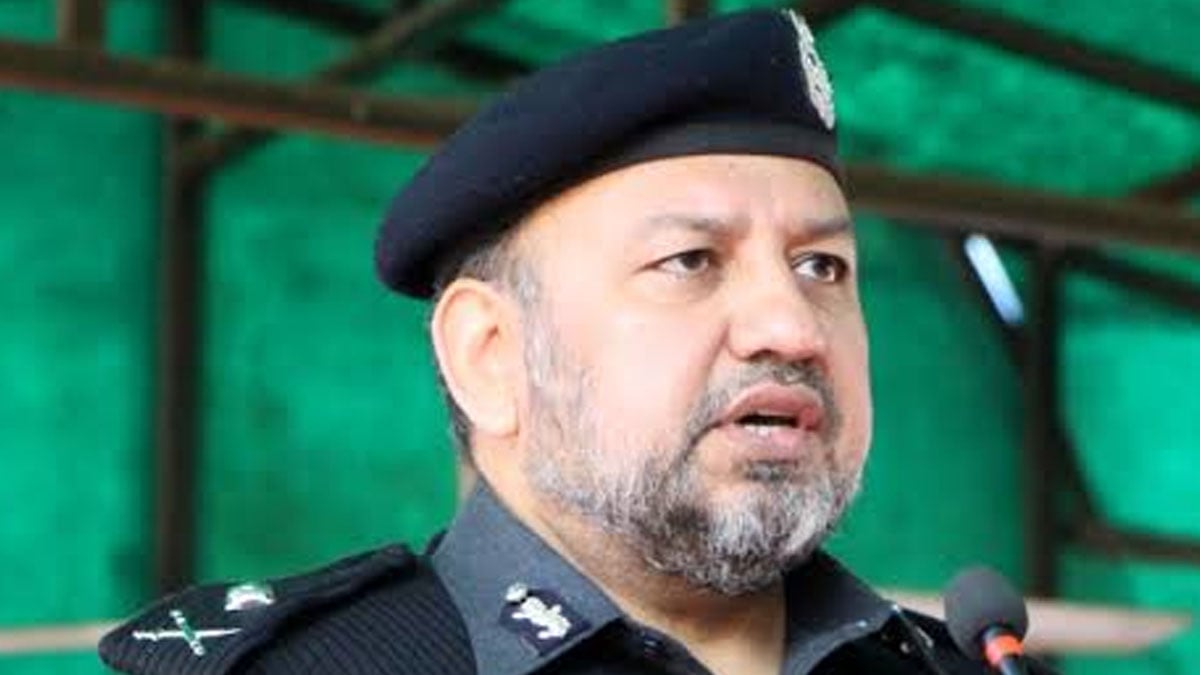
In a significant executive decision impacting top-tier administration, the Khyber Pakhtunkhwa leadership has formally resolved to replace its top law enforcement official. The upcoming KP police chief change represents a major organizational shift in the province's security hierarchy, signalling potential shifts in command strategies, operational priorities, and administrative oversight across all districts of Khyber Pakhtunkhwa. As command transitions occur at the highest level of provincial policing, official channels are preparing to finalize the necessary administrative paperwork and federal coordination required for such senior appointments.
Understanding the Administrative Context of Top Command Shifts
The appointment and transfer of a provincial Inspector General of Police involve established constitutional and administrative protocols in Pakistan. Under standard civil service frameworks, the provincial government coordinates with the federal authorities through the Establishment Division to post or transfer senior officers belonging to the Police Service of Pakistan. When a provincial executive decides to initiate a leadership transition at the helm of the police department, it marks a critical moment for policy realignment, resource allocation, and structural command reviews across the administration.
Top-level leadership changes often follow comprehensive reviews of regional security, operational efficiency, and administrative coordination. The command of the police department dictates how directives flow down to regional police officers, district police officers, and field units operating across diverse operational terrains. A shift at the top executive tier frequently leads to subsequent reshuffles in secondary command levels, ensuring that the strategic vision of the new provincial administration or police head is mirrored across division and district levels.
While executive decisions regarding top command transfers are finalized through formal summaries approved by competent authorities, the operational handover process ensures continuity of service. The outgoing leadership completes pending administrative duties while the incoming commander takes charge following formal gazette notifications issued by the government authority.
What the KP Police Chief Change Means for Ordinary Citizens
For the general public living across Khyber Pakhtunkhwa, a change at the top of the police hierarchy is not merely a political or bureaucratic development; it directly influences local public safety, policing standards, and everyday interaction with law enforcement agencies. Executive leadership sets the tone for how law enforcement officers interact with local communities, enforce public order, and address street crime in urban and rural areas alike.
One of the primary areas where citizens observe the impact of command transitions is in community policing initiatives and public complaint resolution systems. Top commanders frequently introduce updated protocols for open public forums, digital complaint portals, and internal accountability mechanisms. When leadership shifts, existing programs are evaluated, and new operational guidelines are issued to field offices to streamline public access to justice and essential emergency services.
Furthermore, ordinary citizens often look toward top police leadership for visible improvements in basic police station management—commonly referred to as police culture reforms. Priorities set by the police chief determine how effectively field staff handle registration of official complaints, facilitate victims of crime, and maintain transparency in ongoing investigations. A strategic focus from the top leadership can accelerate measures to modernise police stations, enhance forensic capabilities, and improve response times for emergency distress calls.
Public safety in urban centers and rural belts also depends heavily on executive policy. Command directives influence traffic management plans, specialized anti-crime drives, preventive safety protocols, and public security arrangements for vulnerable public spaces. Therefore, residents of Khyber Pakhtunkhwa closely monitor these top-tier developments to understand the future direction of law enforcement and public security in their respective regions.
Key Areas Impacted by Top-Level Police Reshuffles
A transition in provincial police command reverberates through multiple operational and administrative layers within the department. When the executive government decides on a command transfer, several key areas undergo active review and restructuring:
- Operational Directives and Field Strategy: Realignment of field strategies targeting local crime prevention, patrol deployments, and highway safety protocols across the province.
- Administrative Transfers and Postings: Subsequent movements of divisional, district, and sub-divisional officers to align administrative priorities with the new command's operational framework.
- Internal Accountability Mechanisms: Assessment of institutional monitoring cells, police oversight committees, and internal inquiry boards to ensure discipline within the force.
- Public Grievance Redressal: Modernization or restructuring of citizen facilitation centers, emergency response desks, and online portal monitoring systems.
- Inter-Agency Coordination: Strengthening administrative linkages between provincial law enforcement, federal security apparatuses, and civil administration bodies.
Official Verification and Formal Notification Process
Administrative decisions of this magnitude follow a defined bureaucratic procedure before taking complete operational effect. News regarding top command changes is formalized once the relevant government departments issue official notifications detailing the relief of the incumbent officer and the appointment of the successor.
Members of the public, journalists, and policy analysts are strongly advised to verify specific administrative details, official takeover dates, and formal officer assignments through verified official channels. Key government platforms providing authenticated announcements include:
- The official portal of the Khyber Pakhtunkhwa Government.
- Press releases issued by the Central Police Office media relations wing.
- Official notifications published by the Cabinet Secretariat and Establishment Division.
Summary of the Leadership Transition
The decision by the provincial government to alter top police leadership represents an important administrative exercise aimed at refreshing operational governance. As official notifications are processed through formal state channels, the incoming command structure will be tasked with maintaining law and order, bolstering public confidence, and implementing modern policing standards across all districts of Khyber Pakhtunkhwa.
Source: ARY News
Get alerts in your inbox
Weekly roundup of Punjab schemes, Pakistan jobs, and Gulf opportunities.