Kuwait Directs Cooperative Societies to Enforce Strict Food Safety Requirements
Authorities in Kuwait have issued an advisory directing cooperative societies to comply fully with established food safety requirements to safeguard public health across all retail branches.
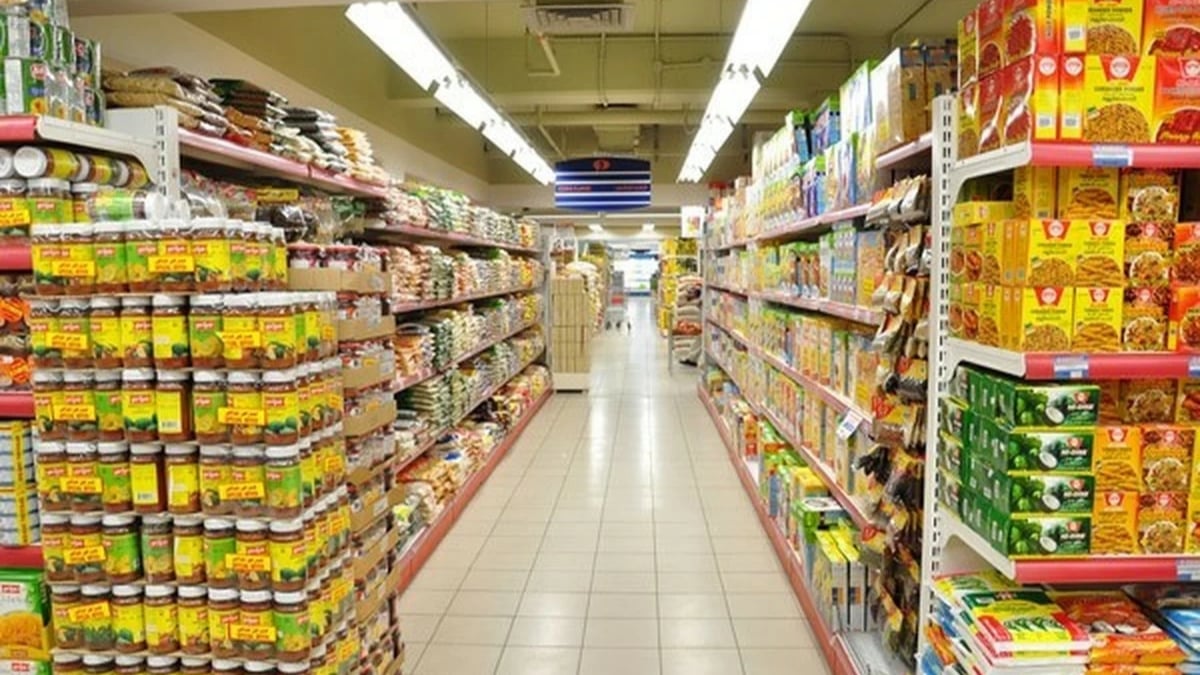
Government authorities in Kuwait have issued a firm directive urging cooperative societies across the country to maintain strict compliance with established Kuwait food safety requirements. Cooperative retail outlets, which serve as the backbone of daily consumer purchasing for millions of residents and citizens, are under increased scrutiny to ensure that all food items stored, displayed, and sold meet stringent hygiene and quality control standards. This advisory underscores the government's zero-tolerance policy regarding public health compromises in public retail environments.
Cooperative societies in Kuwait play a central role in the national food distribution network, supplying neighborhood communities with everyday groceries, fresh produce, meat, dairy, and packaged goods. By reinforcing compliance rules, regulators aim to eliminate risks associated with improper storage, expired products, poor temperature regulation, and inadequate sanitation practices. Retail managers and operational staff have been instructed to align immediately with all municipal and health guidelines to avoid regulatory action.
Strengthening Regulatory Compliance in Kuwait Cooperatives
The warning issued to cooperative societies highlights a proactive effort by food safety regulators to uphold high standards of public sanitation and consumer protection. Cooperative stores handle massive daily volumes of inventory, making systematic compliance checks essential to prevent foodborne illnesses, contamination, or commercial misrepresentation. Regulatory inspectors conduct routine and unannounced visits to evaluate facility cleanliness, monitor refrigeration units, check stock rotation, and verify product labeling.
Compliance with Kuwait food safety requirements covers the entire supply chain footprint within retail branches. From the arrival of shipments at loading docks to their placement on retail shelves, co-op administrators are required to enforce standardized operating procedures. Outlets that fail to maintain required standards risk administrative penalties, citations, or potential temporary closures depending on the severity of the violation identified during inspections.
What Kuwait Food Safety Requirements Mean for Ordinary Citizens
For ordinary citizens, expatriate workers, and families living in Kuwait, rigorous food safety enforcement provides essential protection for public health and household spending. When cooperative outlets adhere strictly to safety codes, shoppers can purchase everyday essentials with greater confidence, knowing that the food on the shelves is safe, properly stored, and fresh.
This initiative directly impacts the daily lives of consumers in several meaningful ways:
- Enhanced Public Health Protection: Proper refrigeration, hygienic handling, and clean storage conditions lower the risk of foodborne infections and stomach ailments for families.
- Better Quality for Household Budgets: Strict monitoring prevents the sale of spoiled or damaged items, ensuring consumers receive fair value for their daily grocery purchases.
- Reliable Product Freshness: Improved stock management protocols mean fresh items like milk, poultry, meat, and vegetables are rotated correctly before reaching end-of-life dates.
- Greater Accountability in Retail Outlets: Stronger oversight encourages staff at local neighborhood co-ops to remain attentive to cleanliness and handling practices at all times.
- Safe Shopping Environment for All Communities: Expatriates—including Pakistani residents living in Kuwait—rely heavily on local co-op stores for daily meals, making standardized safety measures beneficial for all community demographics.
Core Directives and Hygiene Standards Expected from Outlets
Retail cooperatives are required to fulfill specific operational protocols to maintain full compliance with local health regulations. These baseline measures ensure that food items remain safe for consumption from the moment they enter retail premises until they leave with the customer.
Key directives emphasized for retail management include:
- Temperature Control Monitoring: Freezers and chiller display units must maintain precise temperature ranges suitable for dairy, meat, frozen goods, and processed foods.
- Strict Expiration and Inventory Controls: Outlets must systematically clear off-date or near-expiry items from public display areas to prevent accidental sales.
- Hygienic Storage and Warehouse Management: Storage facilities behind retail floors must be kept dry, clean, pest-free, and elevated off the ground according to sanitary codes.
- Separation of Raw and Prepared Goods: Meat, seafood, and raw poultry must be handled and stored separately from ready-to-eat foods to eliminate cross-contamination risks.
- Personal Hygiene Standards for Staff: Personnel working in food handling, butcher shops, bakeries, and deli counters must wear appropriate protective wear and follow hand-washing protocols.
Consumer Vigilance and Reporting Non-Compliance
While regulatory authorities maintain active oversight, consumers are also encouraged to remain vigilant when shopping at local cooperative outlets. Checking expiration dates, inspecting vacuum seals, examining produce freshness, and noting store cleanliness are practical steps shoppers can take to protect their own families.
If consumers encounter damaged packaging, improper storage temperatures, unhygienic displays, or expired goods in any cooperative branch, they are advised to notify store management immediately. Where issues remain unaddressed, shoppers should utilize official government communication channels and municipal hotlines to report non-compliant retail practices to regulatory authorities.
Verification and Staying Updated Through Official Outlets
Because retail guidelines, inspection notices, and health advisories can evolve, residents and retail operators should always consult official government sources for exact specifications. Details regarding municipal health codes, legal requirements for food handler permits, and specific retail guidelines are officially published by the relevant Kuwait ministry and municipal authorities.
Members of the public seeking official updates or details regarding municipal regulations should visit official governmental portals directly. Confirming news and advisories through verified official channels ensures that consumers and business owners rely on accurate, authorized information rather than unverified reports.
The emphasis on food safety across Kuwait's cooperative societies reflects a continuous commitment to safeguarding public health and maintaining high operational standards across the retail sector. Through ongoing inspections, clear directives, and community awareness, authorities aim to secure a safe, reliable food supply chain for every household.
Source: ARY News
Get alerts in your inbox
Weekly roundup of Punjab schemes, Pakistan jobs, and Gulf opportunities.