Kuwait Housing Ballot: 330 Women Secure Residential Properties
A total of 330 women have secured residential properties through an official housing lottery draw in Kuwait, advancing social welfare support for citizens.
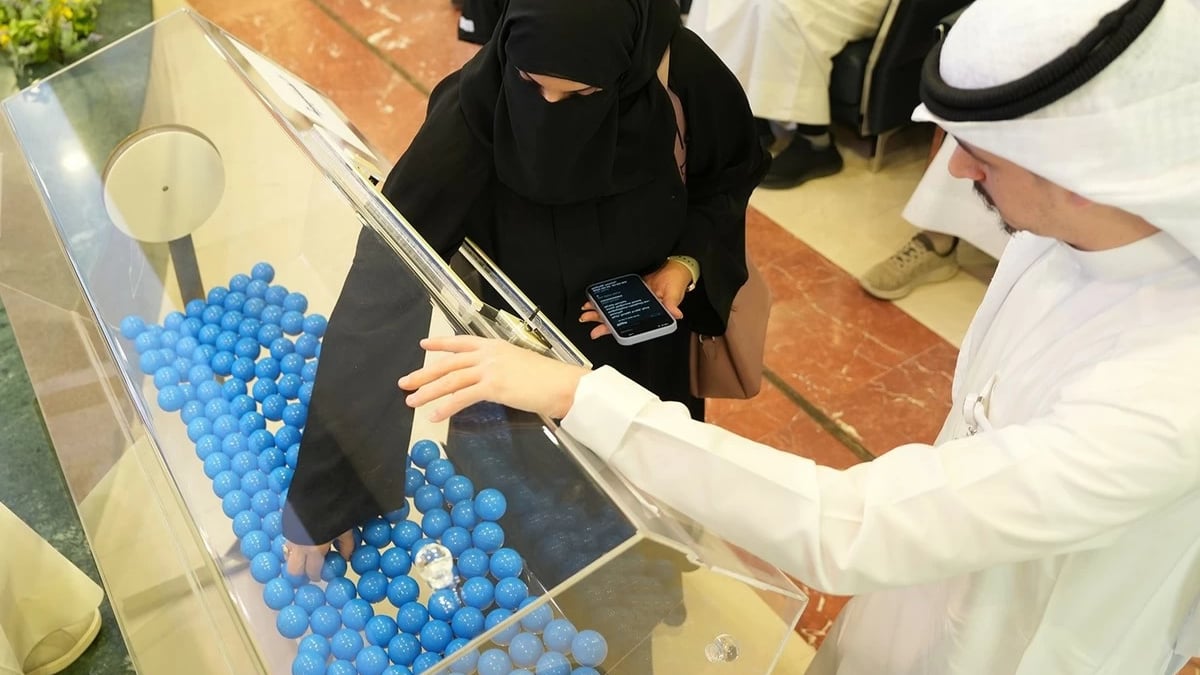
In a notable social welfare milestone, hundreds of female citizens have secured independent residential units after 330 women win homes in Kuwait lottery draw procedures. The transparent distribution marks a critical step forward in addressing the residential requirements of female applicants through state-administered housing mechanisms. Public allocation systems driven by randomized balloting remain a central pillar of civic support across the region, guaranteeing equitable distribution of public assets while reinforcing long-term socioeconomic security for vulnerable and eligible family units.
Details Surrounding the Residential Allocation Draw
Public housing authorities frequently employ standardized lottery and balloting systems to maintain complete integrity and neutrality during the distribution of newly completed residential schemes. In this recent allocation cycle, housing authorities conducted an official draw specifically benefiting 330 female beneficiaries, granting them ownership rights or long-term residential allotments within designated community developments.
While specific geographic locations and technical property specifications remain subject to direct confirmation via official Kuwaiti housing department releases, the allocation reflects an ongoing institutional commitment to resolving public housing queues. Such balloting procedures generally involve rigorous pre-screening of applicants to verify eligibility status, income criteria, marital or family circumstances, and existing property ownership records before inclusion in the final transparent draw.
The Role of Randomized Public Lotteries in Housing Welfare
Randomized balloting serves as an established governance model designed to eliminate favoritism, bureaucratic bottlenecks, and arbitrary decision-making. When public demand exceeds the immediate supply of completed civic housing projects, digital and open lotteries provide an auditable framework where every qualified citizen maintains an equal probability of selection.
Key procedural highlights common to such state-run housing lotteries include:
- Transparent Selection Protocols: Publicly conducted draws ensure that every qualified file has an identical mathematical chance of being selected for allotment.
- Targeted Welfare Inclusivity: Dedicated categories ensure that female heads of households, widows, divorcees, and unmarried women receive direct avenues to state-backed shelter.
- Independent Verification: Comprehensive post-draw verification ensures that all successful candidates fulfill the statutory criteria before formal deed transfers occur.
- Streamlined Digital Records: Integration with national civil registries guarantees that allotments do not overlap with existing real estate entitlements.
What This Means for Ordinary Citizens and Beneficiaries
For ordinary citizens, particularly women managing households independently, securing permanent housing through a state lottery represents much more than receiving real estate. Housing security forms the structural foundation of household financial stability, personal dignity, and family well-being. By guaranteeing shelter through institutional frameworks, public administrations substantially lessen the economic burdens associated with volatile private rental markets.
For many beneficiary families, homeownership converts monthly recurring rental expenses into long-term equity, allowing households to redirect financial resources toward education, healthcare, and household savings. Furthermore, granting independent residential rights directly to women strengthens civic inclusion and economic resilience across broader community demographics.
The successful conclusion of this 330-unit allocation also demonstrates to general applicants that public housing waiting lists are actively moving forward. For thousands of citizens currently awaiting upcoming phases of state housing plans, periodic lottery announcements provide tangible evidence that residential infrastructure projects are reaching completion and entering the handover stage.
Understanding Property Allocation Processes and Next Steps
Following any major lottery draw, successful applicants are generally required to complete specific administrative protocols before taking physical possession of their units. These administrative stages typically include submitting verified civil documentation, clearing administrative dues where applicable, attending formal orientation sessions regarding neighborhood governance, and signing official allotment contracts.
Prospective beneficiaries and waitlisted applicants are strongly advised to monitor announcements issued directly by the Public Authority for Housing Welfare or relevant national housing departments in Kuwait. Administrative authorities routinely publish detailed instructions regarding documentation deadlines, physical site visits, and possession timetables on their official digital portals.
As urban development schemes continue to expand, institutional balloting mechanisms will remain vital instruments for equitable resource distribution, ensuring that state-supported residential programs serve the citizens who need them most.
Source: ARY News
Get alerts in your inbox
Weekly roundup of Punjab schemes, Pakistan jobs, and Gulf opportunities.