Kuwait Proposes New Regulations for Schools to Modernize Education
Kuwait has proposed new regulations for schools to enhance academic standards, administrative transparency, and campus safety across public and private institutions.
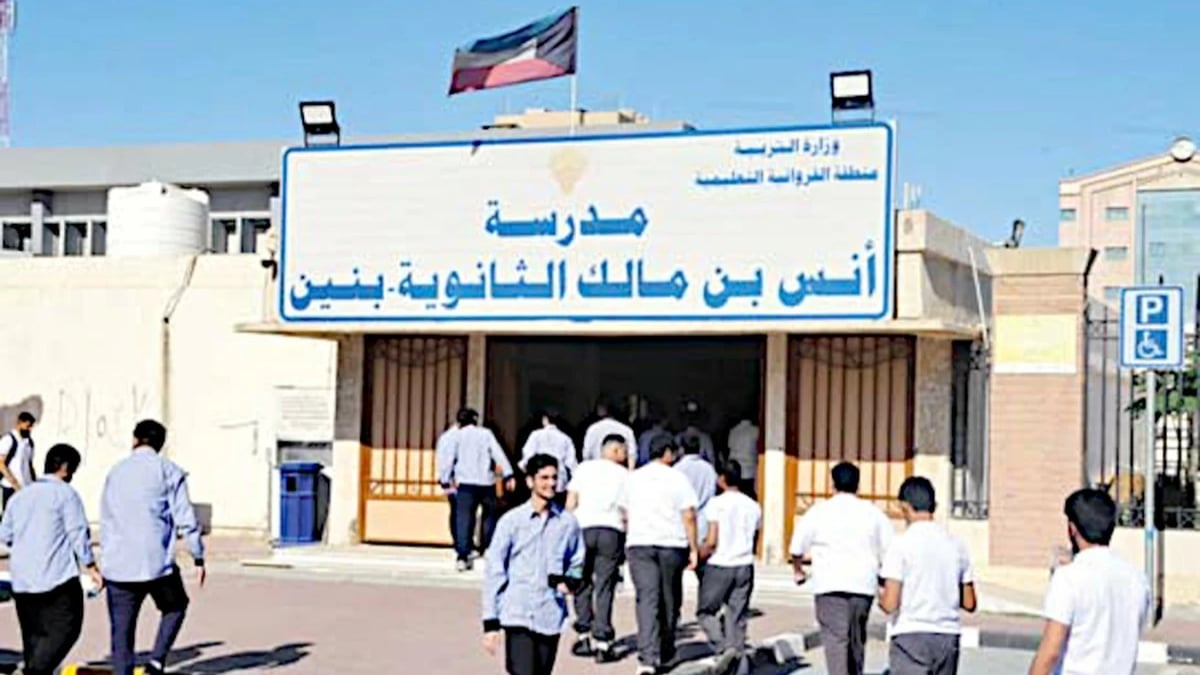
The educational landscape in the region continues to evolve, with decision-makers actively working to align institutional frameworks with updated international standards. In a recent policy development, authorities introduced proposed Kuwait school regulations designed to refine operational guidelines, strengthen institutional accountability, and elevate overall academic quality across primary and secondary institutions. As relevant governing bodies evaluate these structural updates, school leadership teams, teachers, and families are preparing for changes that will influence daily campus administration and classroom governance throughout the country.
Overview of the Proposed Educational Framework
The introduction of updated regulatory measures reflects a sustained commitment to refining academic governance and maintaining rigorous standards across all learning environments. Over recent years, educational authorities have systematically evaluated policy outcomes to address emerging requirements, including institutional accountability, staff qualifications, physical infrastructure standards, and student well-being. The current proposal represents a structured effort to harmonize expectations between state oversight and institutional practice.
While full operational directives remain under formal review by official administrative bodies, the proposed baseline guidelines focus on establishing consistent operational expectations for both state-run and private educational facilities. By defining clearer administrative boundaries and performance benchmarks, policy planners aim to eliminate operational ambiguities, streamline compliance procedures, and guarantee that every school functions under uniform health, safety, and educational protocols.
Furthermore, these regulatory updates seek to establish balanced oversight regarding internal administrative workflows. Governing bodies emphasize the need for regular institutional audits, modernized record-keeping systems, and refined feedback mechanisms. Through these administrative enhancements, authorities intend to build a more resilient educational ecosystem capable of supporting student development while adjusting to modern global pedagogical standards.
What the New Regulations Mean for Ordinary Citizens
For parents, guardians, and students, updates to national education rules directly impact daily routines, financial planning, and academic expectations. Understanding how these proposed changes translate into practical everyday realities is essential for families navigating the educational system.
First and foremost, a refreshed regulatory framework typically leads to enhanced standards for classroom instruction and teaching staff credentials. Parents can expect clearer criteria regarding instructor qualifications, ongoing professional development, and subject delivery. When regulatory bodies institute standardized academic expectations, institutions are obligated to update learning resources and adopt contemporary assessment methods, which directly benefits student academic growth.
Another vital consideration involves administrative transparency and school-to-home communication. The proposed rules encourage formal mechanisms for addressing parent feedback, reporting student academic progress, and managing administrative notifications. For both local and expatriate families, greater transparency ensures that operational schedules, extracurricular guidelines, and fee structures are conveyed clearly without sudden, unannounced changes during the academic year.
Student safety and well-being also remain central to these proposed updates. Families can anticipate reinforced health guidelines, strict campus maintenance rules, and heightened focus on emergency readiness, physical campus security, and digital safety within technical learning systems. For ordinary citizens, these regulatory adjustments are intended to deliver a more secure, consistent, and high-quality educational environment for children.
Key Focus Areas under the Proposed Policy
To better understand the intent of the proposed updates, it is helpful to look at the primary focus areas that define structural educational revisions in the region:
- Academic Consistency: Establishing standardized learning objectives, evaluation procedures, and curriculum alignments across grade levels.
- Administrative Transparency: Requiring clear institutional disclosures regarding operational rules, enrollment procedures, and fee schedules.
- Faculty Accreditation: Strengthening verification procedures for teaching staff credentials to ensure high instruction quality across all subjects.
- Student Welfare and Safety: Enforcing comprehensive campus safety measures, environmental health requirements, and emergency management protocols.
- Compliance Monitoring: Implementing regular institutional reviews by educational supervisors to confirm adherence to national guidelines.
Operational Shifts for Public and Private Institutions
School administrative teams nationwide are expected to undertake preliminary internal reviews to prepare for compliance once the proposed measures are officially codified. For private educational facilities, this process frequently involves confirming that instructional programs adhere to mandatory regional subjects, including language and social studies directives, where applicable.
For public schools, operational shifts primarily center on resource allocation, facility maintenance, and standardized reporting. Leadership training and administrative workshops will likely be organized to support smooth implementation across districts. The overarching objective is to minimize disruption to the ongoing academic calendar while seamlessly integrating mandatory administrative upgrades.
Verification and Official Guidance for Stakeholders
Because proposed policies undergo rigorous stages of review, stakeholder feedback, and formal publication, members of the public are advised to remain cautious regarding unverified claims or speculation circulating online. Specific operational criteria, implementation timelines, and compliance checklists will be distributed exclusively through official government channels.
Parents, educators, and administrators should consult the official Ministry of Education channels and verified public notices for precise updates. Direct notices from local education offices will provide the definitive context needed regarding enrollment rules, administrative compliance dates, and institutional requirements.
Overall, the proposed school regulations signal an important step toward reinforcing educational governance. By focusing on quality assurance, structural accountability, and student welfare, the initiative aims to cultivate a robust learning environment that serves students, families, and academic personnel effectively.
Source: ARY News
Get alerts in your inbox
Weekly roundup of Punjab schemes, Pakistan jobs, and Gulf opportunities.