NADRA Introduces Locally Produced QR Code Identity Cards
NADRA has launched a domestically produced chipless identity card featuring secure QR code technology, replacing 14-year-old imported microchips through a manufacturing partnership with NSPC in Karachi.
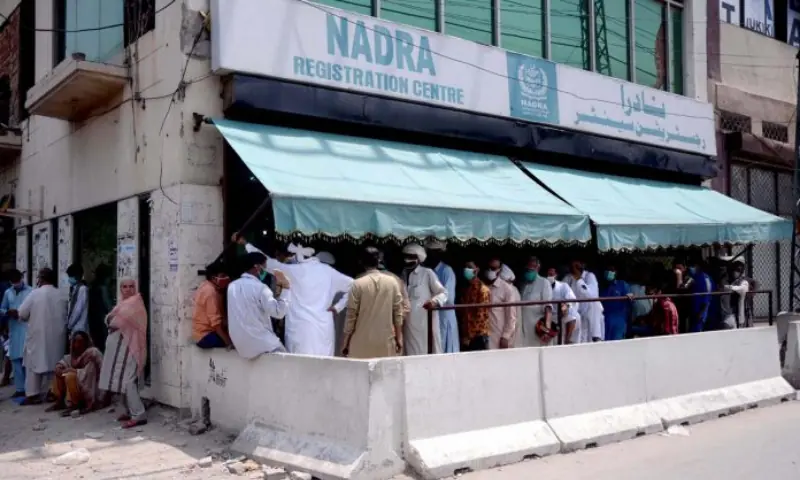
The National Database and Registration Authority has officially rolled out a brand-new, domestically manufactured NADRA QR code identity card, marking a major technological pivot in the country's national registration infrastructure. This newly designed chipless identity document relies on high-security quick-response code architecture, replacing the imported microchip framework that had remained in continuous service for the past fourteen years. Developed in line with rigorous institutional standards, the transition highlights an organized shift toward indigenously engineered identity management solutions.
Transition from Microchips to Advanced QR Code Architecture
For more than a decade, national registration systems in Pakistan relied heavily on imported physical microchips embedded directly into smart identity cards. While functional, that legacy system depended entirely on foreign suppliers, foreign hardware components, and international supply chains that were subject to external disruptions and escalating procurement costs. The launch of the new identity card closes that fourteen-year chapter by replacing physical silicon chips with an advanced, digitally encrypted QR code layout.
By utilizing modern optical data storage rather than fragile electronic chips, the updated design delivers robust data verification without requiring dedicated, costly hardware readers at every inspection point. The technical specifications developed by registration authorities ensure that all necessary citizen demographic and identity parameters remain protected under layered cryptographic protocols. This design change maintains uncompromising data integrity while substantially streamlining the end-to-end manufacturing and scanning ecosystem.
Domestic Production and Strategic Self-Reliance
A central milestone of this identity card overhaul is its complete domestic manufacturing footprint. The new identity documents are being produced locally by the National Security Printing Company (NSPC) at its specialized facilities in Karachi. Working under exact technical guidelines and stringent security benchmarks provided by the national database authority, NSPC has integrated modern security printing techniques directly into the production line.
Manufacturing identity documents within national borders presents distinct strategic and economic advantages:
- Reduction in Import Dependency: Transitioning away from overseas microchip vendors eliminates persistent foreign exchange expenditures and protects the issuance process from international supply bottlenecks.
- Strengthened Data Sovereignty: Handling the entire lifecycle of card engineering and physical manufacturing domestically ensures complete administrative oversight over critical identity hardware.
- Institutional Collaboration: The technical partnership between the registration authority and the National Security Printing Company leverages established national security printing capabilities in Karachi.
- Enhanced Document Durability: The chipless design eliminates common mechanical failures associated with embedded electronic chips, such as damaged contact points or internal circuitry fractures.
What the New QR Code NIC Means for Ordinary Citizens
For the general public, the rollout of a modern chipless identity card introduces practical improvements in document reliability and accessibility. Over the years, citizens carrying chip-based cards frequently encountered technical difficulties when microchips sustained wear, scratches, or physical damage, rendering them unreadable at automated verification counters and service desks. The adoption of high-density QR technology resolves these physical vulnerabilities, making the document far more durable for everyday use.
The shift also streamlines the verification workflow across public and private sector institutions. Because secure QR codes can be processed quickly through standard digital scanning devices programmed with authorized decryption protocols, identity validation at public service departments, financial institutions, and verification checkpoints can proceed with fewer technical delays. Citizens can expect the updated format to function seamlessly alongside the state's broader verification network.
Holders of existing identity cards should note that updates to national documentation standards are typically managed through structured administrative workflows. If you are applying for a new card, replacing a lost document, or seeking standard renewal, you should verify current issuance procedures and specific processing details directly with your nearest registration center or through authorized institutional portals.
Verification Standards and Data Integrity
Data security remains the core consideration behind the switch to QR-centric identity credentials. The database authority has structured the technical specifications so that encoded citizen data cannot be altered, duplicated, or read without validated clearance protocols. The specialized printing processes executed by the National Security Printing Company incorporate multiple physical and optical safeguards, ensuring that counterfeit attempts can be instantly flagged by verification personnel.
This balance between high-level cryptographic encoding and durable physical print engineering ensures that national identity records remain secure against unauthorized tampering. As the domestic production line in Karachi scales up its operations, the new identity cards represent a sustainable, self-sufficient foundation for the country's civil documentation system.
Citizens seeking further details regarding documentation requirements, application processing, or procedural updates should consult official NADRA platforms or visit their local registration center for the latest verified instructions.
Source: Dawn News
Get alerts in your inbox
Weekly roundup of Punjab schemes, Pakistan jobs, and Gulf opportunities.