Nokia 300 Charge Unveiled With Massive Battery and Reverse Charging
Explore the features of the newly announced Nokia 300 Charge, focusing on its massive battery capacity and practical reverse charging utility.
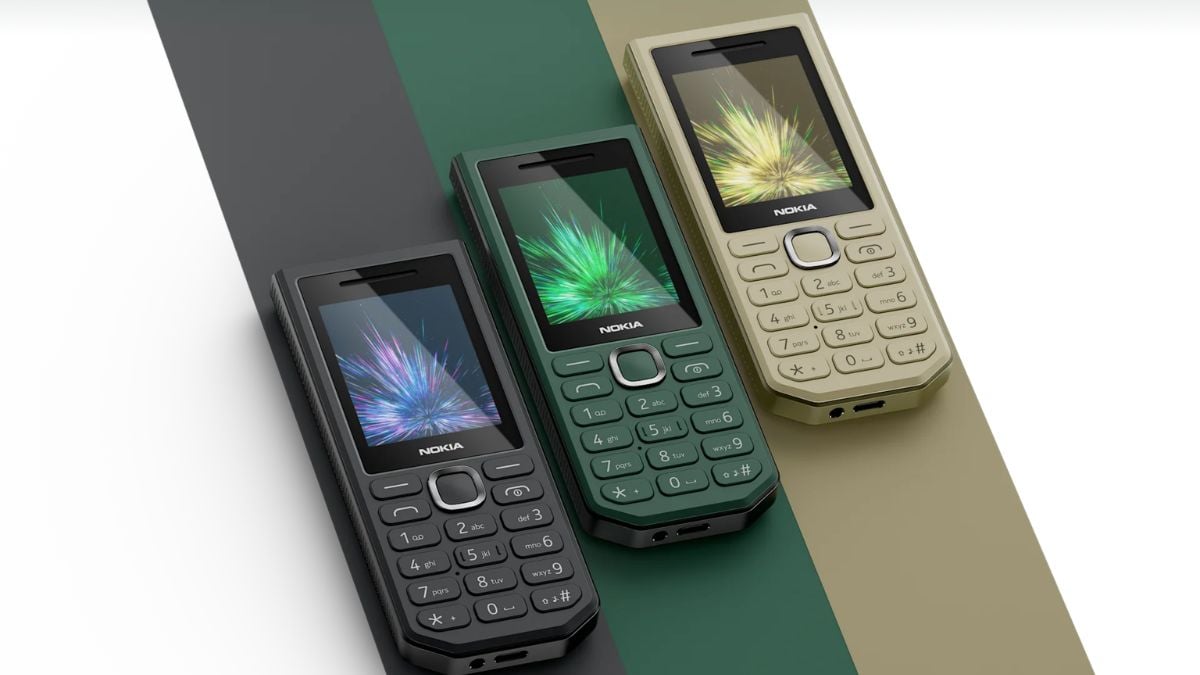
The mobile technology landscape continues to shift as manufacturers experiment with endurance-focused devices, highlighted recently by the introduction of the Nokia 300 Charge. Featuring a robust build centered around extended power retention and versatile functionality, this new handset targets users who prioritize reliability and uninterrupted communication. As mobile consumers increasingly demand hardware that can withstand heavy daily usage without frequent trips to a wall outlet, announcements like this spark fresh interest across regional tech markets, including Pakistan.
Understanding the Key Hardware Specifications
At the core of the newly revealed device is a focus on endurance, moving away from ultra-slim designs to accommodate a substantially larger power cell. While exact milliampere-hour figures and specific technical parameters were not detailed in the initial release, the primary highlight centers on its prolonged operational lifespan per single charge. This engineering approach aims to reduce battery anxiety for individuals who rely on their phones for prolonged periods away from stable electricity grids or during unexpected power disruptions.
Beyond its primary power capacity, the handset introduces practical auxiliary features designed for everyday utility. Specifications point toward a reliable display setup, durable physical casing, and the inclusion of reverse charging capabilities. This secondary function allows users to utilize the phone as a portable power bank, transferring energy to other small electronic accessories when necessary. Observers note that such capabilities are particularly advantageous for field workers, travelers, and anyone managing multiple portable gadgets simultaneously.
What the Nokia 300 Charge Means for Ordinary Citizens
For the average consumer looking for a dependable secondary phone or a primary daily driver focused entirely on longevity, this release represents a practical shift in market offerings. Frequent power outages and long commutes often make maintaining a charged smartphone a persistent challenge. A device equipped with extended battery life and reverse charging offers a sensible remedy, ensuring essential calls and messages remain accessible even when primary power sources are unavailable.
However, prospective buyers must exercise caution regarding local availability, pricing, and official warranty terms. Because regional import taxes, PTA registration requirements, and local distributor pricing significantly influence the final cost in Pakistan, consumers should thoroughly verify all details before making purchasing decisions. Relying on official vendor announcements ensures buyers receive accurate information regarding local market entry and support.
Practical Checklist for Interested Buyers
- Verify Official Pricing: Always check verified local retailers to avoid inflated markups on newly released hardware.
- Confirm PTA Approval: Ensure any imported unit complies with local telecommunication regulations for seamless network connectivity.
- Assess Warranty Coverage: Look for reliable after-sales support and local warranty options to safeguard your investment.
- Evaluate Actual Needs: Compare the device's battery-centric features against your daily communication and media consumption habits.
As the mobile market adapts to consumer demands for greater reliability, devices featuring enhanced power capacities will likely remain a topic of interest. Readers are encouraged to monitor official announcements and trusted industry sources for the latest updates on regional availability and pricing.
Source: ARY News
Get alerts in your inbox
Weekly roundup of Punjab schemes, Pakistan jobs, and Gulf opportunities.