Nordic Nations Express Loss of Confidence in FIFA Governance
Nordic football federations have formally declared a total loss of confidence in Gianni Infantino and current FIFA governance, marking a major rift in global sports administration.
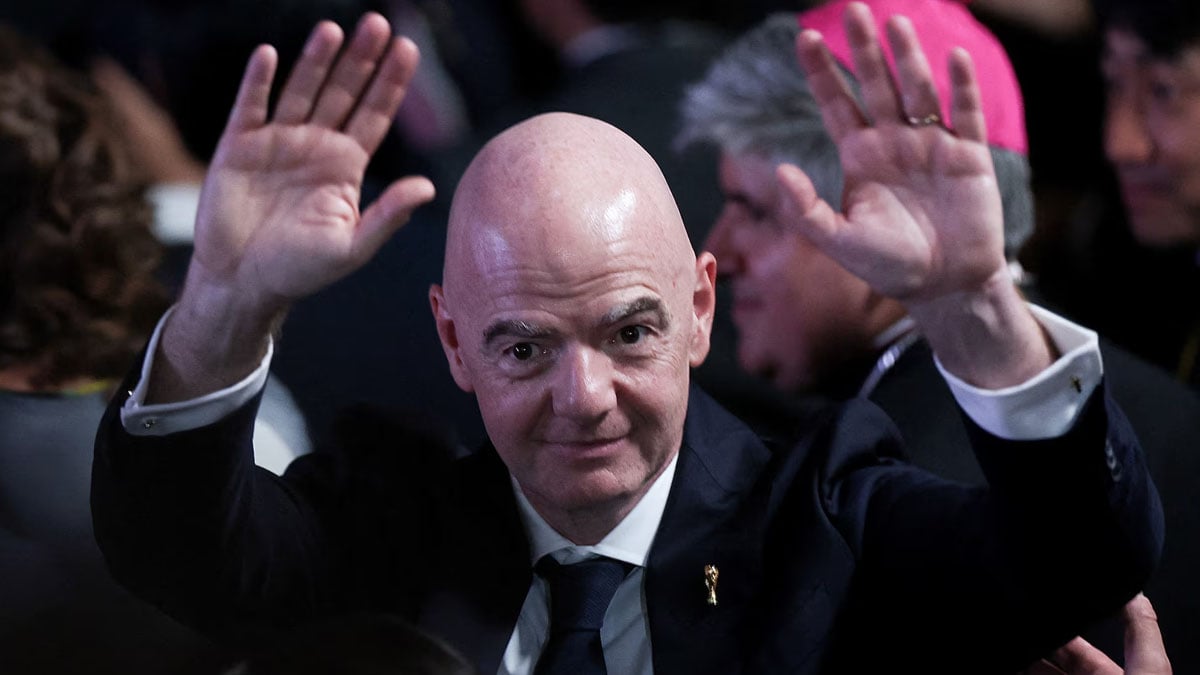
The international sports landscape has witnessed a significant institutional rift as football federations across the Nordic region have formally declared a complete loss of trust in current FIFA governance and its executive leadership under President Gianni Infantino. This unified declaration marks a critical turning point in international sports administration, highlighting deep-seated friction between European member associations and the central governing body of world football. For years, national associations have attempted to address operational, ethical, and administrative concerns through established internal channels, but this latest public stance signals that traditional diplomacy has reached an impasse.
The Growing Divide in International Football Administration
The collective stance taken by the Nordic football federations represents a rare and explicit challenge to the executive leadership of world football. Member associations in northern Europe have historically championed high standards of institutional transparency, democratic decision-making, and structural integrity within global sports federations. By officially declaring that they no longer maintain confidence in the current leadership, these organizations are drawing attention to broader systemic issues within the management of global tournaments, administrative reforms, and long-term strategic policy.
This rift reflects a broader debate within international sports management regarding how power, revenue, and voting rights are distributed among member nations. While the governing body has sought to expand its commercial footprint and international competitions, several European associations have repeatedly expressed reservations about the speed and nature of structural changes. The loss of confidence from a cohesive block of respected national bodies suggests that dissatisfaction with centralized decision-making is neither isolated nor temporary.
Understanding the Challenges Facing FIFA Governance
At the heart of this controversy lies the ongoing debate surrounding executive accountability and transparency within international sports bodies. Multi-national sports federations operate as complex global institutions responsible for regulating rulebooks, managing billions of dollars in commercial rights, and selecting host nations for major international events. When member federations report a failure of confidence, it typically points to fundamental disagreements over key operational pillars:
- Transparency in Executive Decisions: Growing concern over how major policy shifts, tournament expansions, and strategic plans are formulated and approved behind closed doors.
- Democratic Engagement: A perceived imbalance between the centralized executive council and the broader assembly of national member associations.
- Ethical Oversight: Heightened demands from member federations for rigorous, independent scrutiny of leadership conduct and institutional spending.
- Long-Term Strategic Alignment: Differing visions regarding the global football calendar, player welfare, and the preservation of domestic league ecosystems.
The critique from Nordic nations highlights the balance international federations must strike between expanding commercial operations and maintaining the trust of their foundational members. When procedural consensus breaks down, institutional authority becomes increasingly difficult to maintain, leading to public friction and policy deadlock.
What This Means for Ordinary Citizens and Local Sports Communities
While high-level sports administration often seems distant from everyday life, the state of FIFA governance directly influences the broader football ecosystem, touching grassroots programs, local fans, and public resources worldwide. Decisions made at the highest executive levels shape how the game is experienced by millions of ordinary citizens.
For local sports enthusiasts, community clubs, and casual viewers, governance disputes can have several real-world implications:
1. Grassroots Development and Funding Distribution
International governing bodies distribute substantial financial resources down to national and regional associations to support youth academies, coaching certification, and public pitch construction. When governance standards are questioned, questions often follow about whether development funds are being allocated efficiently, equitably, and transparently to reach local communities.
2. Event Hosting, Public Funds, and Tourism
Awarding major international tournaments requires host cities and national governments to commit significant public funds toward infrastructure, stadium upgrades, and security apparatuses. Transparent host selection processes ensure that taxpayer money is utilized responsibly and that community benefits are prioritized alongside commercial goals.
3. Match Scheduling and Fan Experience
Decisions regarding match calendars, tournament frequency, and global competition structures impact local domestic leagues, season schedules, and ticket availability. When international federations alter tournament formats without broad consensus, match-going fans and TV viewers often face increased costs, scheduling conflicts, and fixture congestion.
Navigating the Path Forward for World Football
The vocal opposition from Nordic federations presents a complex political challenge for international sports administrators. Restoring lost confidence will require more than symbolic gestures; it demands a demonstrated commitment to structural reform, open dialogue, and verifiable accountability mechanisms. Whether this declaration leads to formal policy challenges during upcoming congresses or inspires similar declarations from other regional confederations remains a central question for observers of international sports policy.
As the dialogue between national federations and world football authorities continues to unfold, sports enthusiasts and local stakeholders are advised to consult official updates directly from their respective national football associations and official sports governing channels to verify ongoing developments and policy statements.
Source: ARY News
Get alerts in your inbox
Weekly roundup of Punjab schemes, Pakistan jobs, and Gulf opportunities.