OGRA Increases Petrol and Diesel Prices Across Pakistan
The Oil and Gas Regulatory Authority has increased petrol and diesel prices in Pakistan, impacting transit costs, freight rates, and daily consumer expenses across the country.
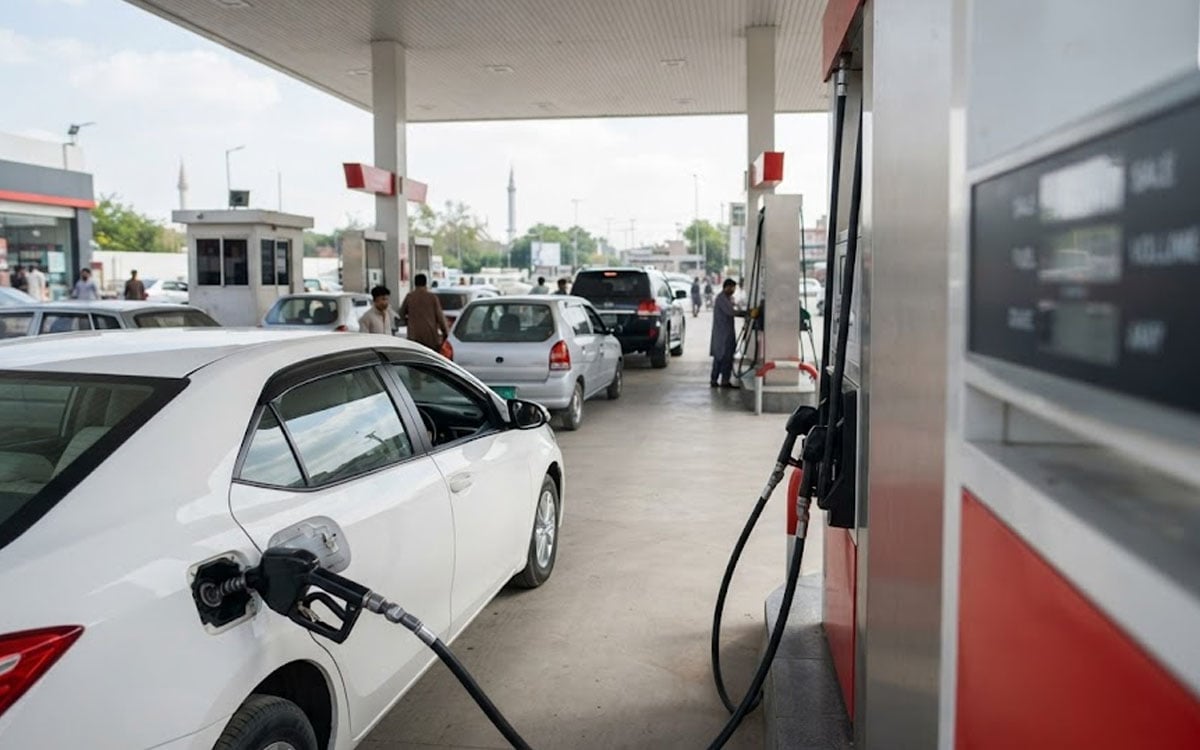
The Oil and Gas Regulatory Authority has announced a revision in petroleum tariffs, leading to a noticeable OGRA petrol diesel price hike across the nation. Fuel price adjustments remain a critical economic factor in Pakistan, directly influencing the daily cost of living, transport fares, and the overall price structure of essential commodities. As petroleum products form the backbone of both passenger transport and commercial logistics, any upward shift in fuel rates creates immediate ripples throughout the consumer economy. Citizens and commercial operators are advised to verify the exact revised per-liter figures through official government notifications or authorized retail outlets to plan their expenditures accordingly.
Understanding the Recent Tariff Revision and Regulatory Framework
In Pakistan, petroleum pricing is governed by periodic evaluations conducted by regulatory authorities in coordination with relevant government ministries. The Oil and Gas Regulatory Authority assesses multiple economic indicators, including international crude oil trends, currency exchange rates, import costs, and local tax structures, before issuing refined price structures for motor gasoline and high-speed diesel. When these underlying factors fluctuate upward, adjustments become necessary to maintain the domestic supply chain and fulfill regulatory mandates.
This latest pricing decision directly affects two primary fuel categories: standard petrol, which powers the vast majority of private passenger vehicles, two-wheelers, and light commercial transit, and high-speed diesel, which drives heavy freight, agricultural machinery, and industrial generators. Because exact per-liter adjustments and effective dates are published through standard administrative orders, consumers should consult public notices released by the authority or check display boards at local petrol stations to review the precise numbers for their respective regions.
What the Price Hike Means for Ordinary Citizens
An upward revision in petroleum tariffs touches almost every aspect of a household budget. For the common citizen, the most immediate consequence is felt at the fuel pump during regular fill-ups, but the secondary effects often carry a much broader financial burden.
Here is how the shift in fuel rates impacts daily life across urban and rural centers:
- Increased Daily Commute Expenses: Owners of motorbikes, cars, and rickshaws will face higher out-of-pocket costs for daily transit to workplaces, educational institutions, and commercial centers.
- Surging Public Transport Fares: Operators of intra-city buses, vans, and inter-city coaches frequently adjust passenger fares upward to offset higher fuel expenses, making daily travel more expensive for non-vehicle owners.
- Escalating Food and Grocery Prices: High-speed diesel powers the heavy trucks that transport fresh produce, grains, and manufactured goods from farms and factories to urban markets. Higher freight charges quickly translate into elevated retail prices for essential food items.
- Impact on Agricultural Operations: In rural farming communities, diesel fuel is critical for running tubewells, tractors, harvesters, and threshers. Increased operating costs for agricultural equipment can strain farm profit margins and influence crop pricing.
- Higher Running Costs for Small Businesses: Commercial enterprises relying on diesel-powered backup generators or localized delivery fleets will experience an uptick in monthly operational overheads.
Economic Ripple Effects Across Commercial Sectors
Beyond individual households, the broader commercial landscape adjusts rapidly whenever fuel rates are revised upwards. The transportation and logistics industry operates on tight profit margins, meaning that any rise in diesel prices is almost immediately passed down through the supply chain. Freight forwarders, distribution networks, and courier services must recalibrate their service charges to accommodate the increased cost of long-haul transport.
Furthermore, small and medium enterprises that utilize motor vehicles for daily deliveries or rely on localized transport services will find their operational expenses rising. When transportation costs increase across the board, manufacturers and wholesalers inevitably adjust wholesale prices. Consequently, everyday consumers encounter higher price tags on standard retail items, household goods, and service fees, compounding the general cost-of-living pressure across all demographic groups.
Navigating Fuel Rate Shifts and Verifying Official Rates
During periods of tariff adjustment, managing household and business expenditures requires proactive financial planning. Consumers can employ several practical strategies to mitigate the impact of rising fuel costs on their monthly budgets:
- Verify Rates via Official Channels: Always confirm exact per-liter prices through official notifications issued by regulatory bodies or published by recognized news outlets, ensuring you pay the correct regulated rate at fill-up points.
- Optimize Daily Travel Routes: Combine multiple errands into single trips, organize carpools for workplace or school commutes, and plan routes efficiently to minimize unnecessary fuel consumption.
- Maintain Vehicle Efficiency: Ensure proper tire pressure, perform timely engine servicing, and practice smooth driving habits to maximize fuel efficiency and stretch every liter further.
- Utilize Alternative Transit Options: Where available, consider using public mass transit systems or shared commuting services to reduce personal fuel expenditure.
- Review Household Spending: Adjust non-essential domestic allocations to accommodate temporary increases in transit and utility expenditures.
As market dynamics and international supply conditions continue to evolve, staying informed through verified channels remains essential for every consumer. Readers are strongly encouraged to check official regulatory bulletins or contact local authorized fuel stations to view the complete, itemized breakdown of revised petroleum rates currently in effect across Pakistan.
Source: ARY News
Get alerts in your inbox
Weekly roundup of Punjab schemes, Pakistan jobs, and Gulf opportunities.