Pakistan and KSA Deepen Agriculture and Food Trade Cooperation
Pakistan and Saudi Arabia are deepening bilateral agriculture and food trade cooperation to enhance food security, expand export markets, and drive rural economic growth.
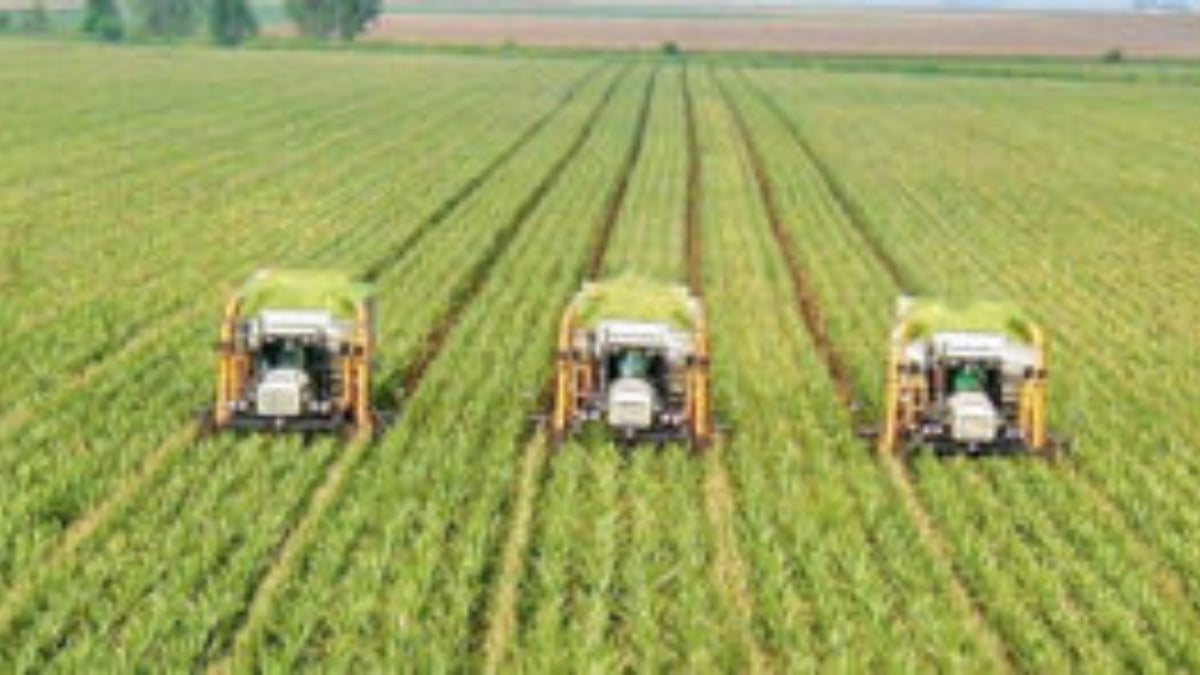
The economic alliance between Pakistan and the Kingdom of Saudi Arabia (KSA) is entering an important phase as both nations move to solidify their bilateral relationship across key commercial sectors. Among these initiatives, Pakistan KSA food trade cooperation stands out as a strategic priority designed to elevate bilateral trade, enhance supply chain resilience, and promote long-term food security. Historical ties between Islamabad and Riyadh have traditionally centered on diplomatic alignment, labor exports, and economic support; however, transitioning toward structured commercial trade—particularly in farming, livestock, and food processing—represents a modern evolution of this partnership. By capitalizing on Pakistan’s extensive agrarian base and Saudi Arabia’s expanding food import requirements, both governments are laying the groundwork for mutually beneficial economic growth.
Strengthening Bilateral Agricultural Ties and Export Potential
As global markets face shifting trade dynamics, unpredictable weather patterns, and supply chain disruptions, strategic international partnerships focused on sustainable food networks have become essential. Pakistan possesses vast arable land, diverse climatic zones suitable for multi-crop cycles, and an established irrigation system, making it a key regional player in agricultural production. Concurrently, Saudi Arabia continues to execute economic diversification and food security strategies that emphasize secure, high-quality, and reliable import channels alongside international agricultural investments.
A dedicated focus on expanding trade in agricultural commodities allows both countries to complement their structural strengths. Pakistan receives a valuable opportunity to expand its export presence in one of the Gulf region’s primary consumer markets, while Saudi Arabia gains a resilient supplier capable of satisfying a wide range of agricultural demands. Expanding trade beyond traditional raw materials into high-value processed foods can significantly enhance Pakistan’s overall trade balance while helping Saudi Arabia achieve its long-term food balance objectives.
Key Focus Areas for Agriculture and Trade Synergy
To achieve sustainable growth in cross-border food commerce, both nations are focusing on several interconnected segments of the agrarian economy. A structured approach ensures that immediate trade opportunities align with long-term agricultural development goals:
- High-Value Grain and Crop Exports: Expanding the export volume of premium agricultural commodities, including aromatic rice, fresh fruits, vegetables, and specialized cash crops directly into Gulf commercial channels.
- Livestock and Dairy Processing: Establishing compliant meat processing facilities and dairy export systems that satisfy health, hygiene, and quarantine standards required by Saudi regulatory authorities.
- Agricultural Technology and Knowledge Sharing: Collaborating on modern irrigation practices, high-yield seed technology, and soil management systems adapted for arid and semi-arid conditions.
- Cold Chain and Infrastructure Enhancement: Investing in modern cold storage units, refrigerated transport, and efficient shipping routes to reduce post-harvest losses and maintain product freshness during transit.
- Commercial Joint Ventures: Building direct business-to-business (B2B) connections between Pakistani agricultural producers and Saudi commercial buyers to simplify trading mechanisms.
What Pakistan KSA Food Trade Cooperation Means for Ordinary Citizens
For everyday citizens, particularly those in rural communities where farming serves as the primary source of income, the deepening of Pakistan KSA food trade cooperation offers significant economic potential. Agriculture remains a central pillar of the national economy, employing a substantial portion of the labor force including smallholders, farm workers, logistics operators, and local market traders. When international trade corridors open up, the financial advantages extend across the entire rural landscape.
Increased demand from foreign buyers creates healthier market competition, helping to stabilize crop prices during peak harvest seasons and providing local growers with improved earning opportunities. Furthermore, satisfying strict international export standards encourages the adoption of better farming inputs, modern techniques, and technical knowledge, which enhances crop yields and overall land productivity over time.
From a broader national perspective, a robust agricultural export sector contributes directly to economic stability. Higher foreign exchange earnings generated through food exports support the national balance of trade, which plays a vital role in stabilizing currency values and mitigating import-driven price pressures. Additionally, expanding food processing facilities, packaging operations, quality testing labs, and transport services generates new employment opportunities for young workers, skilled technicians, and rural youth.
Navigating Quality Standards and Official Requirements
While the prospects of expanded trade are encouraging, long-term success requires strict compliance with international quality benchmarks, sanitary protocols, and official trade regulations. Exporters and agricultural enterprises must adhere to sanitary and phytosanitary (SPS) standards, modern packaging guidelines, and traceability rules established by relevant international and Saudi food safety authorities.
Relevant trade bodies and government institutions in Pakistan are tasked with providing clear operational guidelines, streamlining export certification processes, and holding informative sessions for local growers and trade entities. Individuals, farmers, and business owners interested in exploring export opportunities are advised to regularly check official notices from the Ministry of National Food Security and Research and the Trade Development Authority to verify formal procedures, active trade policies, and verified export frameworks.
The expansion of agricultural and food trade collaboration between Pakistan and Saudi Arabia represents a practical shift toward sustainable economic partnership. By aligning domestic production capabilities with international market standards, Pakistan can elevate its farming sector into a competitive, high-value trade engine that brings lasting benefits to growers, businesses, and the wider economy.
Source: ARY News
Get alerts in your inbox
Weekly roundup of Punjab schemes, Pakistan jobs, and Gulf opportunities.