Pakistan Petrol Price Hike: Government Notifies Updated Fuel Rates
The government has notified a fresh petrol price hike, updating fuel rates across the country. Learn how this adjustment impacts daily commuting costs, inflation, and household budgets.
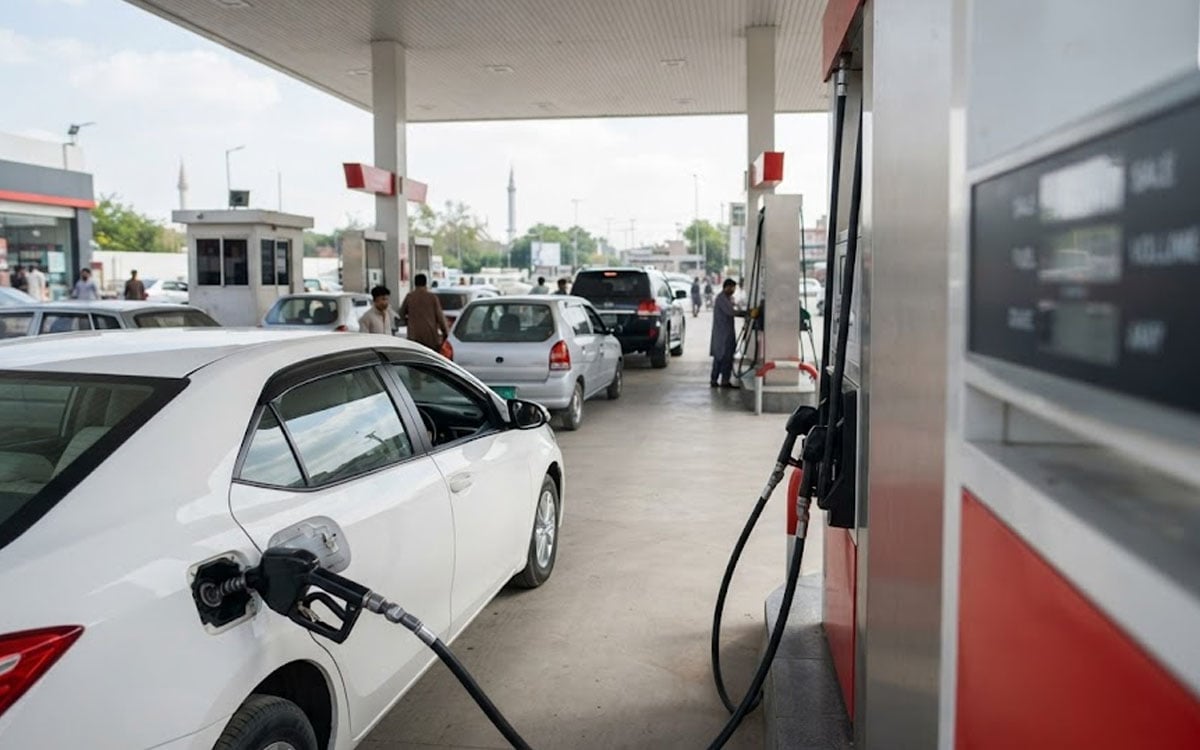
The decision to implement a fresh petrol price hike has once again put domestic energy policy in the spotlight as updated fuel rates come into effect across Pakistan. Authorities recently released the official notification detailing the revised pricing structure, which applies immediately to petroleum outlets nationwide. Price adjustments of this nature carry widespread implications for the broader economy, influencing everything from individual transportation expenditures to the overall cost of living. As consumers adjust to the updated rates at the pump, market analysts and household planners alike are assessing how these operational changes will reshape daily financial decisions over the coming weeks.
Understanding the Drivers Behind Petroleum Pricing Adjustments
Petroleum pricing in Pakistan operates under a structured regulatory mechanism designed to align domestic market rates with broader international economic trends. The final rate communicated to the public is rarely a simple figure; it represents the culmination of multiple financial variables that fluctuate constantly in global energy markets. Primary among these factors is the international price of crude oil and refined petroleum products, which serves as the foundational benchmark for domestic procurement.
In addition to global market shifts, the local currency exchange rate plays a decisive role in determining the final landing cost of fuel imports. Because energy commodities are traded internationally in foreign currency, any movement in currency valuations directly alters the cost structure for domestic importers. Beyond foreign exchange and import costs, the local pricing formula incorporates inland freight margin adjustments, distributor margins, and government-administered levies such as the petroleum levy and applicable taxes. When these combined operational costs rise, regulatory bodies issue revised notifications to reflect the updated economic reality.
What the Petrol Price Hike Means for Ordinary Citizens
For the general public, a petrol price hike is rarely limited to the direct cost of refueling a vehicle. Petroleum products serve as a foundational input for the entire economy, meaning that adjustments at the pump quickly ripple through multiple sectors, directly impacting daily household expenditures.
Commuting and Personal Transportation Costs
The immediate effect of a price notification is felt by daily commuters who rely on personal vehicles, motorcycles, or ride-hailing services. Individuals who travel long distances for employment or educational purposes must allocate a larger portion of their monthly earnings toward fuel expenses. For lower and middle-income households where transportation forms a fixed necessity, this shift often requires reallocating funds away from non-essential spending or discretionary savings.
Public Transport and Commercial Freight Fares
Citizens who depend entirely on public transit systems also experience secondary impacts. Transport operators routinely adjust intra-city and inter-city passenger fares in response to rising fuel overheads. Similarly, commercial logistics companies that move raw materials and finished goods across urban and rural corridors face higher operational expenses, which are eventually passed on to commercial clients and end consumers.
Broader Economic Ripple Effects on Daily Commodities
Beyond transportation, energy price revisions exert upward pressure on the general price levels of essential goods. The supply chain for basic food items, agricultural produce, and manufactured products relies heavily on diesel and petrol-powered transportation networks. When freight charges rise, vendors and market traders adjust retail prices to maintain commercial viability. Consequently, consumers often notice subtle or immediate price increases in grocery markets, dining establishments, and local retail stores, compounding the pressure on monthly household budgets.
Practical Measures to Navigate Rising Fuel Expenses
While macro-economic factors governing energy rates remain beyond individual control, consumers can adopt strategic habits to mitigate the impact of increased transportation costs on their personal finances. Efficient energy management at the household level can help absorb some of the added financial burden.
- Route Optimization: Combine multiple household errands into a single trip to reduce unnecessary distance and idle driving time.
- Adopting Shared Mobility: Explore carpooling arrangements with colleagues or neighbors who share similar daily commuting destinations.
- Vehicle Maintenance: Maintain proper tire pressure, perform timely engine servicing, and replace clogged air filters to optimize vehicle fuel efficiency.
- Alternative Transit Options: Where available and practical, utilize mass transit systems, light electric vehicles, or non-motorized transport for short-distance travel.
- Budget Realignment: Periodically review household utility and transport allocations to account for updated fuel rates without compromising essential healthcare or educational needs.
Official Verification and Staying Informed
Because fuel rates are periodically reviewed under official regulatory frameworks, consumers are advised to rely strictly on verified state notifications rather than unconfirmed reports or speculative social media updates. Official revisions are formally published by the relevant regulatory bodies and energy ministries, outlining precise per-liter rates for various fuel grades.
To ensure you are paying the correct government-approved rate, always check the displayed pricing boards at authorized petrol stations or verify the details on the official portals of national energy authorities. Staying accurately informed enables households and business owners to plan their operational expenses with confidence during periods of economic adjustment.
Source: ARY News
Get alerts in your inbox
Weekly roundup of Punjab schemes, Pakistan jobs, and Gulf opportunities.