Pakistan Saves Rs 4.3 Trillion After Revising IPP Contracts
Pakistan has secured an estimated Rs 4.3 trillion in savings following comprehensive revisions to contracts with Independent Power Producers, paving the way for power sector stability.
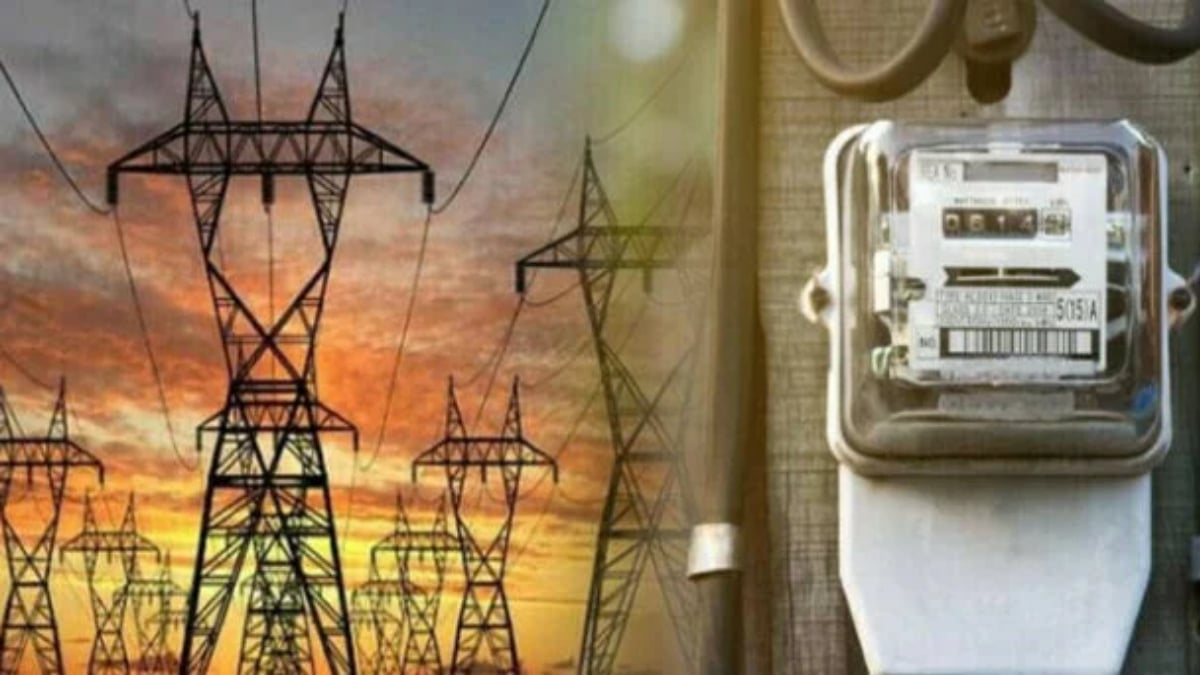
The federal landscape of Pakistan’s power sector has reached a critical turning point as the state successfully secures substantial fiscal relief, saving an estimated Rs 4.3 trillion after revising IPP contracts. This major financial adjustment comes after extensive reviews aimed at renegotiating agreements with Independent Power Producers across the country. Over the past several years, energy costs and structural burdens within the power supply chain have put severe pressure on both the public exchequer and general power consumers. By revisiting contractual terms, renegotiating fixed payment structures, and adjusting operational guidelines, authorities have achieved a massive reduction in future liabilities. This milestone marks one of the largest single fiscal corrections in the national energy framework, setting a new baseline for power sector governance and economic stability moving forward.
Understanding the Renegotiation of Independent Power Agreements
To understand the magnitude of saving Rs 4.3 trillion, it is essential to examine how contractual commitments with Independent Power Producers functioned historically. Under previous policy frameworks, power generation companies operated under long-term agreements designed to guarantee returns on investment. While these terms initially attracted critical private capital during severe power shortages, the long-term cost structures gradually generated significant financial stress on national reserves. Over time, changing economic conditions, fluctuating currency values, and shifting power demand patterns made the original terms increasingly unsustainable for the national grid.
Recognizing the necessity of deep structural reforms, relevant task forces and energy authorities initiated comprehensive reviews of existing agreements. The objective was clear: realign power sector contracts with present-day economic realities without compromising the operational stability of the national grid. Through structured dialogue and systematic evaluations, contract conditions were restructured to align overall output costs more closely with actual power generation and transmission metrics. The resulting aggregate savings of Rs 4.3 trillion represent a profound shift toward fiscal sustainability and energy market efficiency.
This landmark achievement highlights a broader policy commitment toward addressing systemic challenges in the power sector. Rather than relying on temporary subsidies or short-term fixes, the effort focused on correcting root operational costs. By directly targetting the contractual overheads embedded within the power system, the government has taken a definitive step toward arresting the expansion of circular debt that has historically constrained national development.
Key Highlights of the Contract Revisions
The process of revising IPP contracts encompasses several critical adjustments designed to stabilize energy economics. While exact contract-by-contract details remain subject to ongoing administrative notifications, the overarching achievements of the renegotiation process focus on structural efficiency:
- Substantial Liability Reduction: Securing an overarching fiscal saving of Rs 4.3 trillion across the extended lifecycle of revised power agreements.
- Rationalization of Capacity Commitments: Modifying structural payment obligations to better reflect current energy demand and grid capacity realities.
- Mitigation of Circular Debt Accumulation: Curbing the primary driver of recurring financial shortfalls within the national energy supply chain.
- Enhanced Long-Term Energy Planning: Establishing a more predictable and sustainable base for future power generation and tariff design.
- Improved Fiscal Headroom: Relieving the federal budget from excessive power sector guarantees, allowing potential reallocations to public infrastructure and welfare.
These core adjustments demonstrate how strategic contractual revisions can provide systemic relief across the public finance landscape. By addressing long-standing structural inefficiencies, the national power grid moves closer toward operational self-reliance and commercial viability.
What Revising IPP Contracts Means for Ordinary Citizens
For ordinary Pakistani citizens and household utility consumers, the announcement of saving Rs 4.3 trillion through revising IPP contracts is a topic of immediate relevance. High electricity bills have long been a major concern for middle-income households, small business owners, and commercial enterprises across all provinces. The cost of power generation directly influences retail consumer tariffs, fuel price adjustments, and monthly billing surcharges.
While contractual adjustments take time to translate fully into monthly electricity bills, the primary takeaway for the public is the creation of structural downward pressure on future energy costs. By eliminating trillions of rupees in unsustainable future obligations, energy regulators obtain greater flexibility when determining base tariffs and monthly adjustments. Over the medium to long term, this fiscal relief is designed to stabilize electricity pricing, reduce the frequency of steep tariff hikes, and create a fairer cost structure for everyday consumers.
Moreover, the broader economic benefits of this contract revision extend far beyond individual household bills. Lower energy production overheads enhance the competitiveness of local industries, manufacturing units, and commercial sectors. As business operating costs stabilize, national production gains momentum, supporting job creation and overall economic activity. For the average citizen, a healthier macroeconomic environment combined with stable energy pricing provides much-needed financial predictability in daily life.
Verifying Official Updates and Tariff Information
As implementation of the revised agreements proceeds, consumers and stakeholders are encouraged to monitor official announcements regarding tariff structures and billing updates. Specific notifications detailing monthly tariff adjustments, category-wise slab changes, and power sector policies are officially issued through relevant state institutions and regulatory authorities.
To ensure clear and verified information regarding electricity rates, consumers should refer directly to official press releases from the Ministry of Energy, notifications published by the National Electric Power Regulatory Authority (NEPRA), and updates from localized power distribution companies. Staying informed through verified government portals ensures that citizens receive accurate, up-to-date guidance regarding their energy billing and policy developments.
The renegotiation of power contracts marks a decisive step in restoring balance to Pakistan's energy sector. By securing Rs 4.3 trillion in savings through targeted contract revisions, the state has laid the groundwork for a more resilient economy and a fairer power market for all citizens.
Source: ARY News
Get alerts in your inbox
Weekly roundup of Punjab schemes, Pakistan jobs, and Gulf opportunities.