Pakistan Tuna Trade Struggles Under Mounting US-Iran Regional Tensions
Rising US-Iran tensions have severely disrupted the Pakistan tuna trade, stranding thousands of fishermen who rely on informal fuel-for-fish barter operations along coastal waters.
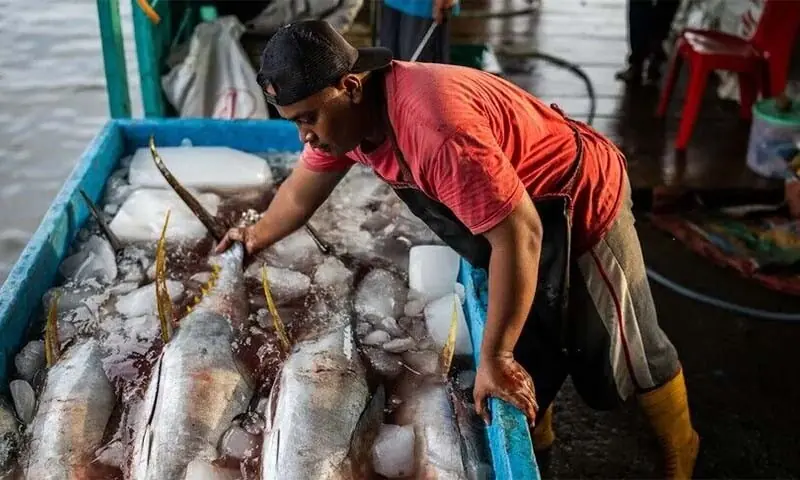
The longstanding Pakistan tuna trade has encountered an unprecedented operational crisis, leaving thousands of local fishermen and seafood merchants stranded as geopolitical friction between the United States and Iran intensifies. For years, an informal maritime barter economy flourished along border marine zones, where Pakistani crews exchanged high-value tuna catches for subsidized Iranian fuel. However, escalating military activity and security concerns targeting Iranian coastal infrastructure and vessels have effectively brought this lucrative cross-border exchange to a halt. As maritime passages become increasingly precarious, coastal communities along Pakistan's southern belt are grappling with severe economic strain, paralyzed fleets, and uncertain market prospects.
Understanding the Cross-Border Barter System in Maritime Operations
The economic relationship between Pakistani tuna fishermen and Iranian maritime suppliers developed around a unique barter mechanism tailored to the realities of deep-sea fishing. Operating close to or within Iranian maritime territory, Pakistani fishing vessels regularly engaged in direct trade swaps. Under this informal arrangement, Pakistani crews traded prized, high-value tuna for affordable, subsidized fuel sourced from Iranian suppliers. This mutually beneficial exchange provided Iranian contacts with sought-after marine produce while granting Pakistani boat operators access to diesel and gasoline at costs significantly lower than standard commercial rates in the domestic market.
For decades, this barter economy served as the financial engine for deep-sea expeditions originating from Pakistan's coastal belts. Access to cheaper fuel allowed fishing captains to extend their operational ranges, venture deeper into productive international waters, and maintain extended sea trips without incurring prohibitive fuel expenses. The high-value tuna harvested during these journeys was subsequently brought back to Pakistani ports for local distribution and international export, generating essential revenue streams for processing units, wholesale markets, and logistics providers across the region.
Geopolitical Escalation and the Standstill Since February
The stability of this maritime ecosystem shattered earlier this year as regional geopolitical tensions erupted into broader military confrontations. Beginning around February, heightened US-Iran conflict—marked by strikes against strategic Iranian targets and maritime security alerts—transformed previously navigable trade routes into high-risk security corridors. The resulting military actions targeting sites and vessels in and around Iranian waters created an atmosphere of severe danger, discouraging fishing fleets from entering traditional barter zones and causing maritime safety risks to soar.
The impact on individual business owners and commercial fleets has been profound. Industry figures like Shah Zamin Khan, a prominent tuna trader, represent thousands of commercial operators whose primary income sources have vanished almost overnight. Since February, trading activity has reached a near standstill. Vessels that once embarked on regular harvesting cycles remain docked at harbors, while traders who invested heavily in gear, ice, vessel maintenance, and crew advances now face overwhelming financial pressure. With patrol activity intensified and regional security alerts in effect, the risk of vessel seizure, crossfire, or navigational interception has rendered the historical fuel-for-tuna trade virtually impossible to maintain safely.
What the Tuna Trade Disruption Means for Ordinary Citizens
While geopolitical conflicts are often analyzed through the lens of international diplomacy, the real-world impact of the Pakistan tuna trade shutdown is felt directly by ordinary Pakistani citizens, coastal families, and consumer markets. The collapse of the fuel-for-fish barter system reverberates through multiple layers of the domestic economy, creating challenges for both blue-collar coastal workers and everyday consumers of seafood products.
For coastal fishing communities, the loss of this trade translates into an immediate crisis of livelihood. Crew members, deckhands, dock workers, net repairers, and transport drivers who depend on daily wage payouts from tuna expeditions find themselves without regular employment. Simultaneously, local seafood markets are experiencing supply shortages of premium tuna, driving up retail prices for local buyers and reducing export volumes that typically bring valuable foreign exchange into the national economy. Without access to subsidized fuel from Iranian sources, Pakistani vessel owners are forced to purchase commercial fuel at prevailing domestic prices, making independent deep-sea trips financially unviable for many small-scale operators.
- Loss of Subsidized Energy Sources: Fishing fleets lose access to low-cost Iranian fuel, drastically increasing operational overhead for deep-sea harvesting trips.
- Widespread Unemployment in Coastal Belts: Thousands of deckhands, harbor workers, market vendors, and processing staff face reduced working hours or total job losses.
- Surging Local Seafood Prices: Scarcity of high-value tuna in domestic fish markets leads to price spikes for local consumers and wholesale buyers.
- Strained Export Revenue: Reduced catch volumes hurt seafood export businesses that rely on consistent tuna supplies to fulfill international buyer orders.
- Financial Stress on Small Business Owners: Traders and boat captains who financed pre-season voyages are burdened with unpaid debts and idle assets docked at port.
Navigating Security Risks and Official Guidance
As regional dynamics remain volatile, stakeholders within the maritime and fishing sectors are strongly advised to exercise extreme caution before undertaking operations near international boundary lines or foreign territorial waters. Maritime security agencies periodically issue navigational advisories and safety guidelines to prevent accidental boundary breaches and protect civilian vessels from entering active conflict zones.
Fishermen, vessel owners, and seafood merchants should consult official bulletins issued by relevant government bodies, including the Pakistan Coast Guards, the Maritime Security Agency, and federal or provincial fisheries departments, to verify current maritime boundaries and safe passage zones. Relying on verified government notifications ensures that maritime operators stay informed about changing legal frameworks, regional security updates, and potential support initiatives that may be introduced to assist affected coastal populations.
The ongoing crisis highlighting the vulnerability of informal trade networks underscores the need for sustainable economic strategies for coastal communities. Independent monitoring of the Pakistan tuna trade will continue as developments unfold across regional maritime boundaries.
Source: Dawn News
Get alerts in your inbox
Weekly roundup of Punjab schemes, Pakistan jobs, and Gulf opportunities.