Petrol and Diesel Prices Increased Across Pakistan Following Rate Revision
Federal authorities have revised petroleum prices upward, increasing rates for both petrol and diesel. Here is a comprehensive overview of what these adjustments mean for everyday commuting, transportation logistics, and household budgets.
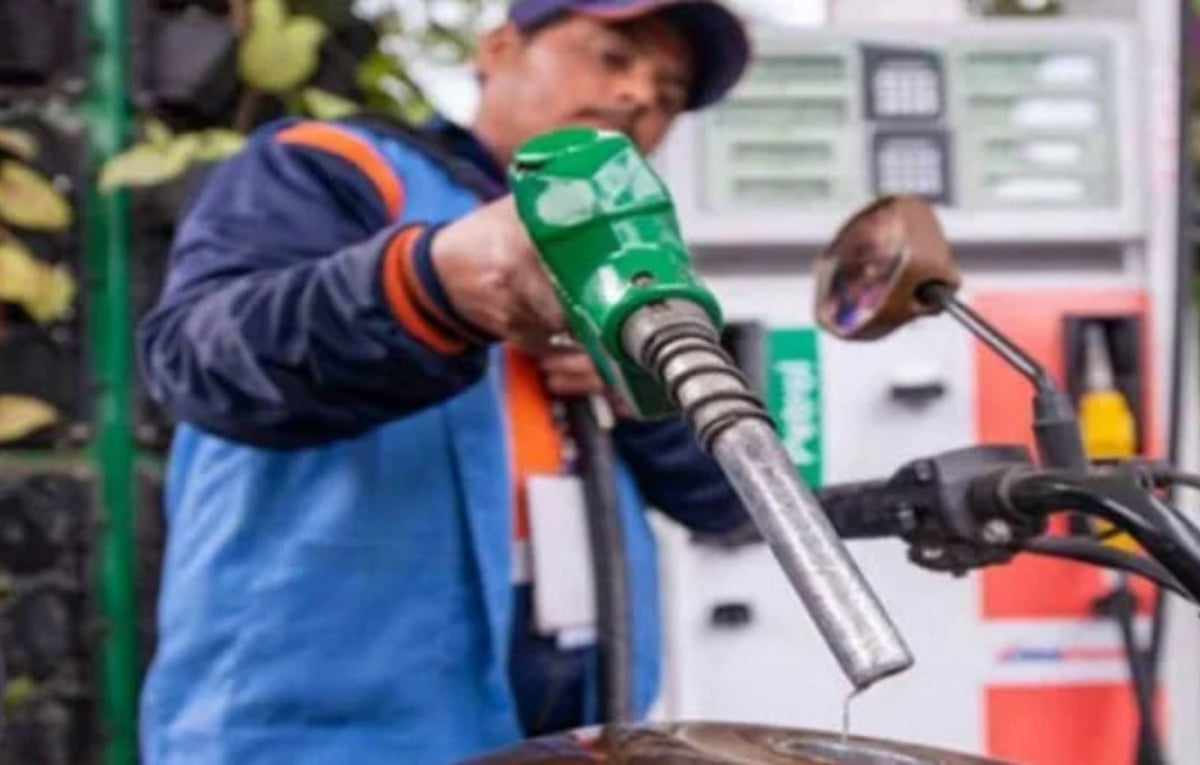
In a fresh economic development affecting households and commuters nationwide, federal authorities have implemented a new petrol price hike in Pakistan while simultaneously raising the cost of high-speed diesel. This latest upward adjustment in petroleum products reflects ongoing shifts in international energy dynamics, currency fluctuations, and domestic taxation structures. As both primary fuels become more expensive at retail pumps across the country, citizens are once again assessing the broader financial ramifications on daily travel, logistics, and household spending.
Contextualizing the Latest Petroleum Price Adjustment
Petroleum pricing in Pakistan operates on a periodic revision cycle managed by regulatory bodies alongside the Ministry of Finance. These adjustments evaluate global crude oil trends, import expenditures, refining costs, and applicable government levies. When international prices rise or import expenses shift, domestic retail rates are revised accordingly to reflect the landed cost of refined fuel.
While the exact per-liter increase varies depending on official notifications released during each pricing window, the dual escalation in petrol and diesel rates carries a compounding effect throughout the domestic economy. Motor gasoline, commonly known as petrol, primarily powers private passenger cars, two-wheelers, and light commercial vehicles. High-speed diesel, on the other hand, serves as the primary energy source for heavy transport trucks, intercity buses, agricultural machinery, and industrial backup generators. Consequently, simultaneous price hikes across both categories reverberate through virtually every sector of commerce.
What the Fuel Price Increase Means for Ordinary Citizens
The practical implications of higher fuel costs extend far beyond the immediate expense incurred at petrol stations. For the general public, petroleum price revisions trigger a domino effect that impacts daily living expenses across multiple fronts.
1. Higher Daily Commuting and Transportation Expenses
For working professionals, students, and ride-hailing drivers, higher petrol rates translate directly into elevated monthly travel budgets. Commuters relying on private motorcycles or cars will experience an immediate increase in refueling costs. Similarly, public transport operators—including vans, rickshaws, and buses—frequently adjust their fares upward following diesel and petrol hikes, placing an added financial strain on daily passengers who rely on public transit to reach workplaces and educational institutions.
2. Cascading Impact on Food Prices and Essential Commodities
High-speed diesel plays a crucial role in supply chain logistics. Agricultural produce, dairy goods, processed food items, and manufactured supplies are transported from rural farm belts and industrial hubs to urban wholesale and retail markets using diesel-driven transport fleets. When freight transport companies face steeper fuel bills, these increased operational costs are inevitably passed down to end consumers. As a result, shoppers often observe a general rise in the prices of vegetables, staples, and everyday groceries shortly after a fuel price adjustment.
3. Pressure on Agricultural and Small-Scale Operations
In the agricultural sector, farmers rely heavily on diesel to operate tractors, harvesters, and tube wells for irrigation, particularly in areas where electrical grid connectivity is inconsistent. Elevated diesel costs increase the overall expense of crop cultivation, land preparation, and harvesting. Small business owners operating diesel generators during power outages also face higher operational overheads, forcing them to balance reduced profit margins against potential price increases for their services.
Strategies for Managing Increased Transportation Costs
While macroeconomic adjustments remain beyond individual control, consumers can adopt several practical measures to cushion the impact of rising fuel expenses on their monthly household budgets:
- Optimize Daily Travel Routes: Plan errands efficiently and consolidate multiple short trips into a single journey to minimize unnecessary mileage and idling time in heavy traffic.
- Utilize Shared Mobility Options: Explore carpooling arrangements with colleagues or neighbors for routine workplace and school commutes to split fuel expenses.
- Ensure Timely Vehicle Maintenance: Maintain proper tire pressure, clean air filters, and perform regular engine tune-ups, as well-maintained vehicles consume significantly less fuel per kilometer.
- Adopt Efficient Driving Habits: Avoid aggressive acceleration, excessive speeding, and prolonged engine idling, all of which contribute to reduced fuel efficiency.
- Track Official Announcements: Stay informed regarding official petroleum notifications to make timely decisions regarding bulk refueling before rate changes take effect.
Verifying Rate Notifications and Official Guidelines
Because fuel rates are updated periodically through formal government directives, consumers are advised to verify exact per-liter prices through official channels. The Oil and Gas Regulatory Authority (OGRA) and the Ministry of Finance publish formal notifications outlining precise retail prices, breakdown of levies, and effective dates for every pricing cycle.
As an independent information portal, cmschemespunjab.pk provides analytical coverage and educational breakdowns of public policy updates, economic shifts, and social welfare programs. Readers should consult official government gazettes or authorized retail pump displays to confirm the exact prevailing rates in their specific cities.
The combined price hike for petrol and diesel underlines the ongoing economic challenge of managing energy costs amidst global market shifts. While consumers adjust their personal budgets to absorb these higher costs, keeping a close eye on official regulatory updates remains essential for navigating Pakistan's evolving economic landscape.
Source: ARY News
Get alerts in your inbox
Weekly roundup of Punjab schemes, Pakistan jobs, and Gulf opportunities.