Petrol Dealers Call Off Nationwide Strike After Margin Agreement
Petrol station operators have called off their planned nationwide strike after reaching an agreement with the government on a revised dealer margin structure.
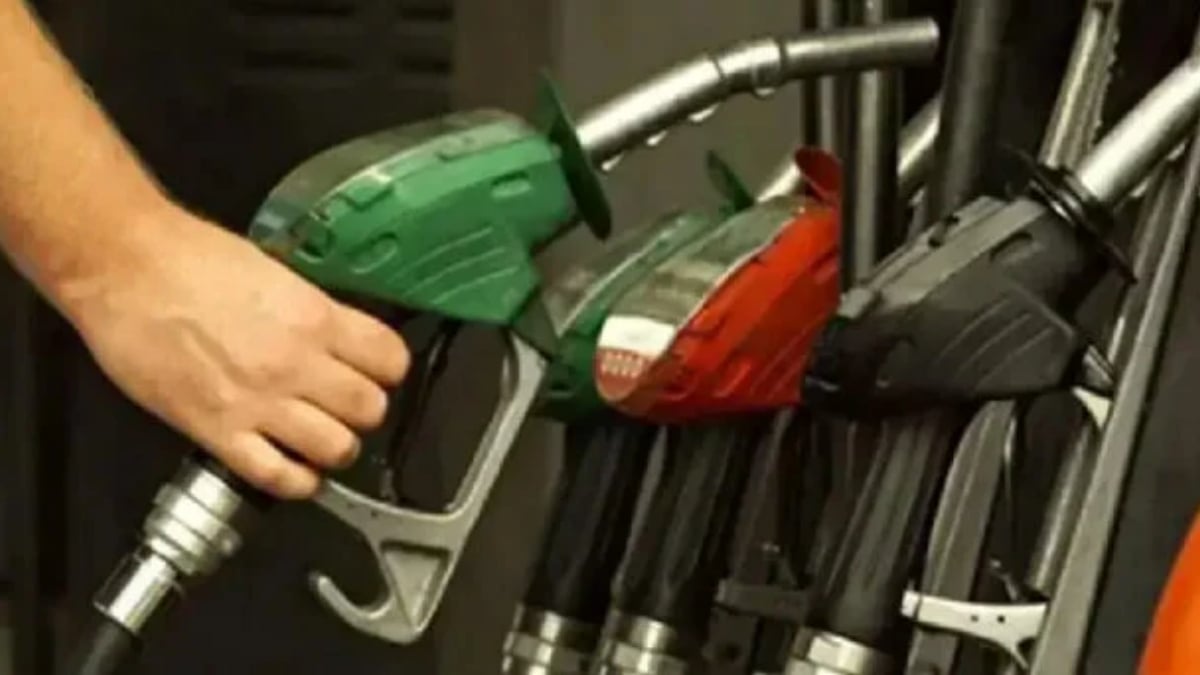
In a major development bringing immediate relief to commuters and commercial transport networks, the petrol dealers strike called off announcement was made following successful talks with authorities regarding an upward revision in retail dealer margins. The resolution comes after extensive consultations between petroleum retail associations and government representatives, averting what could have been widespread disruptions at filling stations across the country.
Background to the Dispute and Fuel Supply Concerns
For several days leading up to the planned shutdown, fuel station operators had raised concerns over escalating operational expenditures. Retailers pointed out that rising electricity tariffs, labor costs, regulatory overheads, and financial charges had significantly eroded the viability of running retail outlets under the existing commission framework. The threat of a nationwide shutdown raised alarm among private commuters, fleet operators, logistics companies, and industrial sectors that depend on uninterrupted daily fuel distribution.
Negotiations gained urgency as administrative teams sought to prevent panic buying and long queues at petrol pumps. The government's decision to offer a margin hike addresses long-standing complaints from pump owners, who argued that fixed margins without timely adjustments make it unsustainable to maintain quality standards and regulatory compliance across urban and rural forecourts alike.
The Settlement: Ensuring Retail Stability
Under the terms established during the talks, regulatory authorities agreed to adjust the profit margins allowed to petroleum dealers. This consensus effectively neutralized the planned strike action, allowing fuel dispensing units to operate normally without interruption. The formal decision allows retail networks to cover higher administrative and logistical costs without halting business activities.
While full technical breakdowns of the revised margin formula are implemented through routine regulatory pricing frameworks, the agreement provides retail station owners with the financial flexibility they requested. In return, dealer representatives committed to keeping pumps open and maintaining full supply availability across all provincial territories.
What the Resolution Means for Ordinary Citizens
The avoidance of a fuel strike carries direct, positive implications for daily life and economic routines across urban centers and rural communities. Had the strike proceeded, the immediate consequence would have been localized fuel shortages, artificial hoarding, inflated black-market rates, and severe disruptions to urban mobility.
Uninterrupted Public and Private Transit
Daily wage earners, office commuters, students, and ride-hailing drivers can continue their regular routines without the threat of dry fuel pumps. Public transport networks, which rely heavily on accessible local filling stations to maintain bus, van, and auto-rickshaw routes, can sustain normal timetables without fare volatility driven by temporary fuel scarcity.
Supply Chain and Food Market Stability
Agricultural transport vehicles, perishable food haulers, and intercity freight trucks rely on round-the-clock fuel availability. A shutdown of filling stations disrupts supply chains, which quickly translates into higher retail prices for vegetables, milk, grains, and other essential household goods at local bazaars. Averting the shutdown prevents supply disruptions from driving up food inflation.
Elimination of Panic Buying
Announcements of impending fuel strikes routinely trigger panic at the pumps, forcing motorists to spend hours waiting in line and straining pump storage tanks. With the strike formally withdrawn, normal purchasing patterns have resumed, eliminating unnecessary traffic congestion near major commercial arteries.
Key Takeaways for Motorists and Transport Operators
- Normal Forecourt Operations: Petrol pumps nationwide remain open and fully operational on standard schedules, with regular replenishment from oil marketing companies.
- Prevented Supply Gaps: The settlement averts potential regional stockouts that typically follow pre-strike hoarding and post-strike supply bottlenecks.
- Commercial Transport Certainty: Heavy transport, school vans, delivery fleets, and logistics services can continue operations without contingency adjustments.
- Pricing Adjustments via Official Channels: Any alterations to retail fuel prices resulting from the margin adjustment will be reflected through regular, notified pricing cycles issued by the petroleum division.
- Consumer Protection: Regulatory monitoring bodies continue to track retail operations to ensure standard pricing adherence and proper pump dispensing across all stations.
Balancing Retail Viability and Consumer Costs
The standoff highlights the structural balancing act faced by energy regulators. On one side, fuel station operators require sustainable operating margins to invest in storage safety, calibrate dispensing equipment accurately, and maintain reliable working capital. On the other hand, policymakers must protect consumers from excessive price burdens in an already challenging economic environment.
By opting for a negotiated settlement rather than protracted confrontation, authorities have preserved retail stability while avoiding the significant economic losses associated with a nationwide logistics standstill. Sustainable mechanisms for periodic margin reviews remain essential to prevent similar disruptions in the future.
Motorists and commercial operators are advised to continue their normal refueling routines. For formal notifications regarding retail price revisions and regulated dealer margins, citizens should consult updates issued directly by the relevant petroleum regulatory bodies.
Source: ARY News
Get alerts in your inbox
Weekly roundup of Punjab schemes, Pakistan jobs, and Gulf opportunities.