Petrol Price in Pakistan: Fuel Rate Adjustments and Public Impact
An editorial review of fuel pricing frameworks in Pakistan, detailing regulatory mechanisms, economic drivers, and the practical impacts on citizen budgets.
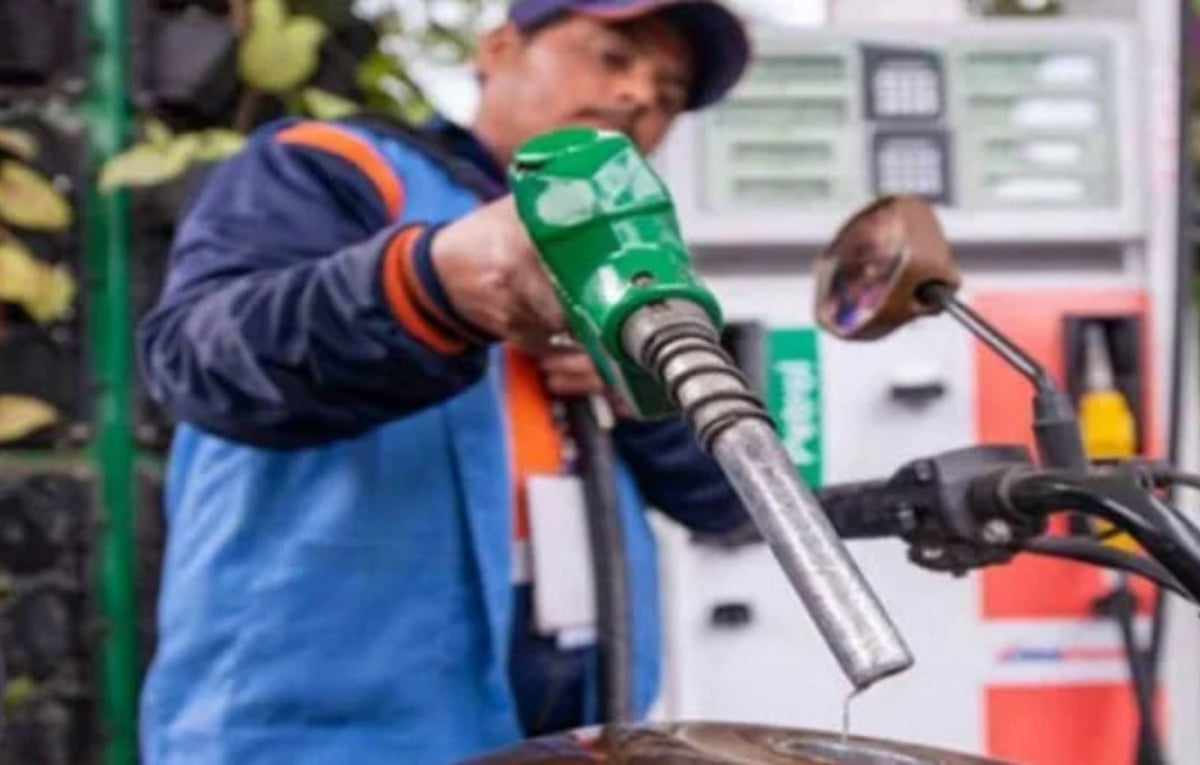
Any revision or assessment regarding the petrol price in Pakistan directly influences the financial rhythm of daily life across all four provinces. Energy rates form the bedrock of domestic trade, urban transit, and agricultural supply chains. Because petroleum products serve as the primary fuel source for individual commuters and commercial logistics, even minor shifts or scheduled pricing reviews command widespread attention across the nation. Understanding how these baseline rates are evaluated, announced, and applied enables citizens and business owners to manage their budgets effectively.
The Bi-Weekly Petroleum Pricing Framework
Fuel pricing in Pakistan follows a structured evaluation model managed by the Oil and Gas Regulatory Authority (OGRA) in coordination with the federal government. Every fortnight, regulatory authorities review import parity pricing, global crude oil benchmarks, international shipping expenses, and the foreign exchange rate of the Pakistani Rupee. Once these economic indicators are collated, the regulatory body submits detailed working papers to the Ministry of Finance for a final determination.
The federal cabinet examines multiple policy instruments during these periodic reviews, including the Petroleum Development Levy (PDL) and applicable customs duties. Depending on fiscal targets and prevailing international market conditions, the government either adjusts retail prices at the pump or maintains the existing ceiling to provide price stability. While notifications reflect formal macroeconomic adjustments, the operational reality is felt immediately at retail filling stations operated by state-run and private oil marketing companies.
What It Means for Ordinary Citizens
Fluctuations in fuel tariffs ripple across everyday household economics with remarkable speed. When the retail price of petroleum products shifts, the consequence is never restricted to motor vehicle owners alone. Because Pakistan relies heavily on road freight for the distribution of essential commodities, fuel revisions create an immediate chain reaction across urban and rural marketplaces.
Impact on Public Transport and Daily Commuting
For millions of office workers, industrial laborers, and university students relying on passenger vans, auto-rickshaws, app-based ride services, and intra-city buses, fuel costs dictate commuting expenses. Transport operators frequently revise local fares in response to rising pump rates, directly increasing the cost of daily mobility. Even for individuals operating two-wheelers—traditionally the most cost-effective private transit option—monthly fuel expenditure constitutes a growing portion of personal disposable income.
Household Kitchen Budgets and Basic Groceries
The agricultural and retail distribution sectors depend heavily on diesel and petrol-powered transportation. Farm produce such as fresh vegetables, dairy products, grains, and poultry travel hundreds of kilometers from rural cultivation hubs to wholesale grain and produce markets (mandi networks) across major metropolitan centers. Increased transportation overheads inevitably raise the shelf prices of staple grocery items, compounding overall inflationary pressure on household budgets.
Small Enterprises and Service Sector Pressures
Small and medium enterprises, including neighbourhood retailers, delivery couriers, repair technicians, and mobile vendors, encounter elevated operating costs whenever petroleum rates fluctuate. Service providers who must absorb travel costs either face reduced operational margins or pass the incremental expense on to the end consumer, influencing aggregate market purchasing power.
Key Drivers Behind Domestic Fuel Pricing
Domestic energy tariffs do not change in isolation. Instead, they reflect a composite basket of external economic factors and national policy decisions. Key components include:
- International Crude Oil Benchmarks: Movements in global benchmarks, primarily Brent Crude and Arab Light, establish the base cost of imported refined petroleum and crude oil consignments.
- Currency Exchange Stability: Because oil imports are settled in foreign exchange, variations in the value of the Pakistani Rupee against the US Dollar directly modify the landed cost of petroleum products.
- Petroleum Development Levy (PDL): A statutory fiscal levy determined by federal financial policy, adjusted periodically to meet budgetary targets.
- Inland Freight Equalization Margin (IFEM): A logistical mechanism designed to harmonize the pump price of petroleum products across distant geographical regions, from coastal hubs to northern territories.
- Dealer Margins and Distribution Overheads: Regulated commissions allocated to oil marketing companies and retail fuel station operators to cover storage, handling, and distribution.
Navigating Fuel Costs: Practical Steps for Households
In an environment of fluctuating energy expenses, households and small business owners can adopt several practical measures to optimize transport spending and cushion their monthly budgets against sudden pricing shifts:
- Optimize Vehicle Maintenance: Regular engine servicing, timely air filter replacements, and maintaining correct tire pressures can improve overall fuel economy by significant margins over routine city driving.
- Leverage Public and Shared Mobility: Utilizing public bus rapid transit networks, organized carpools, or ride-sharing arrangements for routine office commutes substantially lowers individual monthly fuel consumption.
- Track Official Channels for Accuracy: Disregard unverified social media rumours regarding prospective fuel shortages or rate spikes, relying instead on authorized announcements published through official regulatory channels.
- Plan Daily Travel Routes: Combining multiple domestic errands into a single planned journey minimizes unnecessary mileage and idling in high-congestion urban traffic bottlenecks.
Verifying Official Rate Notifications
Because retail energy costs directly impact economic stability, unverified reports and speculative figures frequently circulate on digital platforms ahead of scheduled pricing dates. Consumers and transport operators are advised to verify active fuel rates and official revision summaries directly through the Ministry of Finance and the official Oil and Gas Regulatory Authority (OGRA) portals.
Official gazette releases specify the precise per-litre retail rates for motor gasoline (petrol), high-speed diesel (HSD), kerosene oil, and light diesel oil (LDO), ensuring transparency at retail dispensing outlets throughout the country.
Source: ARY News
Get alerts in your inbox
Weekly roundup of Punjab schemes, Pakistan jobs, and Gulf opportunities.