Petrol Price in Pakistan: Latest Updates and Economic Impact Breakdown
Explore the latest updates on the petrol price in Pakistan, including how fuel tariffs are evaluated, key pricing factors, and the overall impact on household budgets and transport costs.
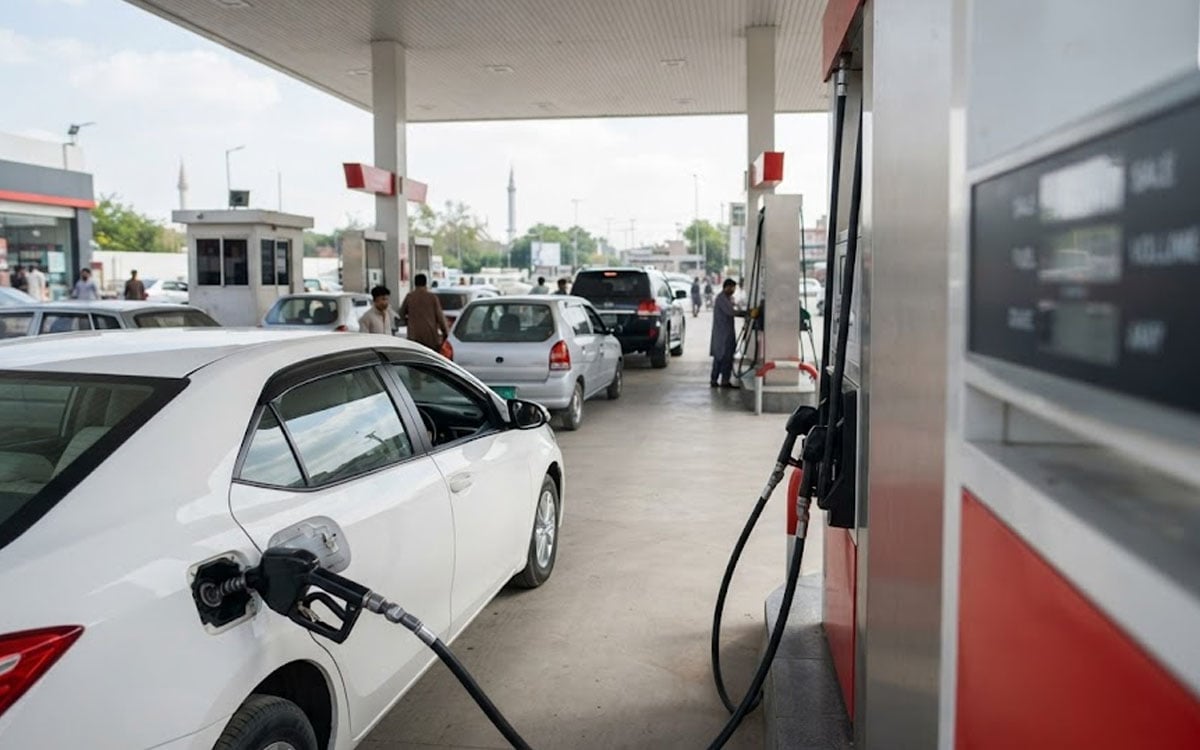
Keeping track of the petrol price in Pakistan is essential for households, businesses, and daily commuters nationwide. Because petroleum products serve as the lifeblood of transport and commercial logistics across the country, any adjustment in fuel tariffs immediately ripples through the domestic economy. Fuel pricing decisions in Pakistan are determined through structured review mechanisms overseen by regulatory bodies and the federal government, taking into account international market dynamics and domestic fiscal requirements.
The Mechanism Behind Petroleum Pricing in Pakistan
Petroleum rate adjustments in Pakistan generally follow a bi-weekly revision cycle. Under this framework, the Oil and Gas Regulatory Authority (OGRA) computes recommended price adjustments based on import parity pricing, currency valuation, and statutory fiscal levies, submitting its working summaries to the Finance Division and the Ministry of Energy (Petroleum Division) for formal review and determination.
Several critical variables influence the final price consumers pay at retail fuel pumps across all provinces:
- International Crude and Refined Product Rates: Global benchmark prices, primarily determined by international trading hubs, serve as the baseline cost for imported crude oil and refined petroleum products.
- Currency Exchange Rate Fluctuations: Because Pakistan imports a substantial portion of its refined petroleum needs, fluctuations in the exchange rate between the Pakistani Rupee (PKR) and the US Dollar (USD) directly alter procurement costs.
- Petroleum Development Levy (PDL) and Taxes: Government-imposed levies, statutory margins, and regulatory taxes contribute directly to the retail price breakdown.
- Inland Freight Equalization Margin (IFEM): This component balances transport logistics expenses to maintain uniform fuel retail pricing across disparate geographic regions of the country.
- Distribution and Dealer Margins: Regulated profit margins designated for oil marketing companies (OMCs) and petroleum dealers ensure operational sustainability for retail distribution networks.
What Fuel Rate Adjustments Mean for Ordinary Citizens
Changes in the petrol price in Pakistan extend far beyond individual fuel tanks. For ordinary citizens, these revisions play a direct role in everyday living expenses and household budgeting.
Impact on Daily Commuting and Public Transport
For motorcyclists and vehicle owners, rising fuel tariffs represent an immediate increase in monthly transportation spending. Similarly, public transit fares, intercity coach fares, and local rickshaw or taxi charges typically adjust upward when fuel costs rise, making daily travel more expensive for workers, students, and low-income families.
Inflation and Essential Commodity Prices
The transport sector relies heavily on petroleum products to move fresh produce, grain, packaged goods, and raw materials from agricultural hubs and ports to urban retail markets. When freight operators face higher operating expenses, logistics charges increase. Consequently, wholesale and retail prices for basic groceries, vegetables, and everyday essentials experience upward pressure.
Agricultural and Small Business Operations
A significant portion of Pakistan’s rural and small-business economy depends on petroleum-driven machinery, including irrigation tube-wells, tractors, commercial transport vans, and auxiliary power generators used during grid outages. Elevated fuel rates raise operational overheads for small enterprise owners and farmers, which can compress profit margins and elevate consumer pricing across local supply chains.
Prudent Approaches for Managing Fuel Expenses
In an environment of fluctuating fuel prices, motorists and commercial operators often adopt practical measures to mitigate high running costs:
- Routine Vehicle Maintenance: Ensuring correct tire pressure, timely oil changes, and clean air filters can noticeably optimize vehicle fuel efficiency.
- Carpooling and Public Transit: Coordinating shared rides for daily office runs or utilizing urban mass transit options helps reduce individual petroleum consumption.
- Route Planning: Avoiding peak-traffic congestion and planning multi-stop errands into a single trip minimizes unnecessary idling and fuel burn.
- Monitoring Verified Updates: Consumers should always rely on authentic notifications issued through the Ministry of Energy, OGRA, or reputable news outlets to avoid unverified price speculation.
Verifying Official Price Notifications
Because fuel rates are subject to scheduled official announcements, citizens are encouraged to consult official press releases issued by the federal authorities at each pricing window. Official gazettes, notifications from the Oil and Gas Regulatory Authority, and formal updates from the Finance Division represent the definitive sources for verified petrol and high-speed diesel tariffs across the country.
Source: ARY News
Get alerts in your inbox
Weekly roundup of Punjab schemes, Pakistan jobs, and Gulf opportunities.