Petrol Price in Pakistan Raised Effective August 21, 2026
The federal government has revised petrol prices effective August 21, 2026. Learn how this adjustment impacts daily commuting, inflation, and household budgets.
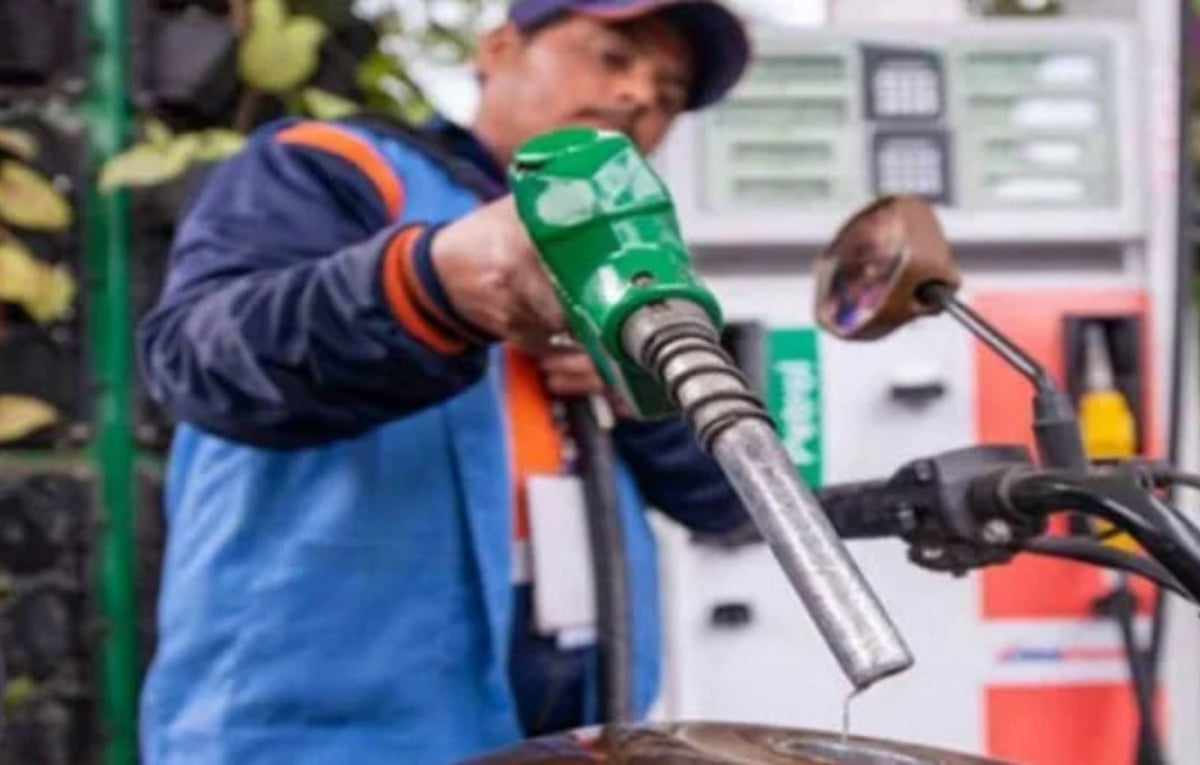
The federal government has formally announced an upward revision in the petrol price in Pakistan effective from August 21, 2026. This latest adjustment comes as part of the routine petroleum pricing review mechanism, reflecting broader economic shifts, international energy market dynamics, and currency valuations. For millions of motorists, commuters, and household managers across Punjab and nationwide, any movement in fuel rates carries immediate financial implications. As official notifications circulate, consumers are urged to verify specific per-litre rates through verified government releases issued by the Finance Division and the Oil and Gas Regulatory Authority (OGRA).
Overview of the August 21, 2026 Petrol Price Revision
The periodic adjustment of petroleum rates remains one of the most closely watched economic developments in Pakistan. Under the established regulatory framework, domestic fuel prices undergo regular reviews to align local retail tariffs with prevailing global benchmark prices and national fiscal requirements. The recent announcement to raise rates starting August 21, 2026, marks another phase in this continuous price-setting process.
While exact per-litre price adjustments vary across different fuel categories—including super petrol, high-speed diesel, and light diesel oil—the primary driver behind such decisions generally involves changes in international crude oil import costs, foreign exchange fluctuations, and regulatory levies. Consumers seeking exact breakdown figures for their specific city or region should refer directly to official press statements released by regulatory bodies, as exact figures may include regional freight charges and local distribution margins.
Energy sector analysts note that petroleum pricing in the country operates under a complex formula. This mechanism accounts for free-on-board (FOB) price indicators, ocean freight, insurance, banking charges, custom duties, petroleum levy, and margins for oil marketing companies (OMCs) alongside dealers. Consequently, even subtle shifts in global market benchmarks or domestic taxation policy can trigger noticeable changes at retail filling stations nationwide.
What the Petrol Price Increase Means for Ordinary Citizens
An upward adjustment in fuel prices never occurs in isolation. In a developing economy like Pakistan, petroleum products serve as the backbone of daily movement, commercial logistics, and agricultural activities. When the cost of fuel rises, its ripple effects quickly spread across multiple sectors of everyday life, placing additional stress on middle and lower-income household budgets.
1. Rise in Daily Commuting Costs
For individual vehicle owners, office workers, and students who rely on motorbikes or personal cars for daily transport, higher petrol rates mean a direct increase in routine expenses. Commuters who allocate a fixed monthly budget for fuel may find themselves adjusting travel habits or reducing non-essential trips to absorb the added cost. Similarly, users of ride-hailing services and rickshaws are likely to see fare hikes as service operators adjust their pricing structures to maintain profit margins.
2. Upward Pressure on Public Transport Fares
Public transport users, including those relying on intercity buses, local vans, and private coaches, often feel the brunt of fuel price hikes almost immediately. Transporters frequently revise ticket rates following official price increases to cover higher operational overheads. For daily wage earners and workers reliant on public transit, even modest fare increases can significantly impact monthly savings and disposable income.
3. Escalation of Daily Goods and Food Inflation
One of the most profound secondary consequences of a petrol price increase is its impact on general inflation. Essential commodities, including fresh vegetables, milk, grains, and manufactured goods, must be transported from rural farms and industrial hubs to urban markets. As freight forwarders and goods transport operators face higher fuel bills, these elevated transportation costs are inevitably passed down to end consumers at retail grocery stores and local bazaars.
4. Stress on Small Businesses and Commercial Operators
Small business owners, delivery services, and independent contractors who rely on fuel-driven machinery or transport vehicles face reduced profit margins unless they adjust their prices. For local delivery providers, mobile vendors, and small-scale traders, balancing customer retention with rising operational expenses becomes a delicate challenging task during periods of fuel price inflation.
Key Factors Influencing Domestic Petroleum Prices
To better understand why petrol prices fluctuate in Pakistan, citizens can examine the primary components that determine the final price paid at the pump. These components include:
- International Crude Oil Benchmark: Fluctuations in global crude prices directly dictate import costs for refined petroleum products.
- Pakistani Rupee Exchange Rate: Because fuel is imported using foreign currency, changes in the value of the Rupee against foreign currencies impact procurement expenses.
- Petroleum Levy and Taxes: Government-imposed levies, custom duties, and taxes contribute significantly to the final retail price per litre.
- Inland Freight Margin (IFEM): Freight equalization margins ensure uniform pricing across different geographic zones and provinces.
- Dealers and Marketing Margins: Fixed commissions allocated to oil marketing companies and petrol pump dealers cover operational and infrastructure expenses.
Practical Steps for Citizens to Manage Higher Transport Costs
While national pricing decisions remain outside individual control, citizens can adopt practical strategies to mitigate the impact of rising fuel costs on their personal finances:
First, optimizing vehicle maintenance can yield noticeable fuel savings. Simple measures such as maintaining correct tire pressure, performing timely engine servicing, and avoiding unnecessary idling can enhance mileage performance. Second, organizing carpooling arrangements among colleagues or neighbors sharing similar routes significantly reduces individual fuel expenditure.
Additionally, planning daily errands to combine multiple trips into a single efficient route helps reduce total distance traveled. Where accessible, utilizing mass transit options like metro bus services or train networks provides an economical alternative to personal vehicles.
Verifying Official Updates and Guidelines
Given the frequency of fuel price revisions, citizens are strongly advised to rely exclusively on official announcements from government departments such as the Ministry of Finance and OGRA. Avoid trusting unverified social media posts or speculative reports regarding fuel rate changes. For precise figures, official gazette notifications remain the authoritative source for retail petroleum rates across Pakistan.
Source: ARY News
Get alerts in your inbox
Weekly roundup of Punjab schemes, Pakistan jobs, and Gulf opportunities.