Petroleum Dealers Call Off Strike After Govt Approves Margin Revision
The Pakistan Petroleum Dealers Association has cancelled its planned nationwide strike after the government approved a revision in dealers' profit margins.
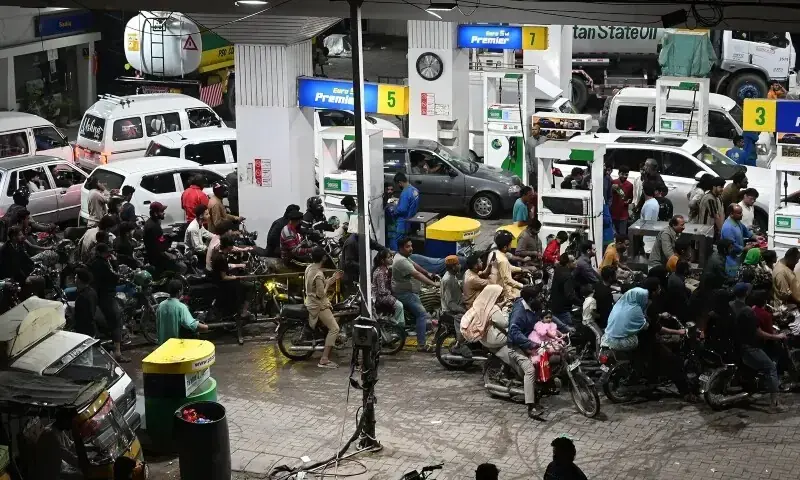
Fuel station operators across the country have withdrawn their call for a nationwide protest following a policy consensus reached between trade representatives and federal authorities. The resolution arrived after government bodies granted approval for a petroleum dealers margin revision, ensuring that filling stations remain fully open and operational without imminent service disruptions. The Pakistan Petroleum Dealers Association officially cancelled its scheduled Saturday shutdown, delivering immediate reassurance to daily commuters, public transit operators, and logistics networks that had faced the prospect of widespread fuel scarcity.
Government Consensus Averts Countrywide Fuel Station Shutdown
The agreement between the federal government and fuel station owners brings an end to days of uncertainty across the energy supply sector. Representatives of the petroleum distribution trade had previously announced plans to halt pump operations on Saturday, citing unsustainable financial pressures driven by escalating operational overheads, rising energy tariffs, and labor expenses. According to trade leaders, existing profit margins were no longer sufficient to sustain day-to-day station management, prompting calls for a direct adjustment from the federal cabinet.
Intervention from high-level economic forums proved decisive in resolving the impasse. The Economic Coordination Committee thoroughly deliberated on the proposal regarding the margin adjustment, considering the balance between operational viability for station owners and overall market stability. Following these high-level discussions, the finance ministry formally validated the approval in an official statement. While the ministry confirmed the nod for the revised structure, the official communique did not detail the exact monetary figure or percentage of the increase, leaving final rate disclosures to subsequent regulatory notifications.
What the Margin Revision Means for Ordinary Citizens
For the general public, the primary relief stems from the immediate withdrawal of the strike action. A nationwide closure of petrol pumps typically triggers severe disruptions across urban centers and rural belts alike, leading to long queues, panic buying, and artificial shortages. The cancellation of the protest guarantees that retail fuel outlets will maintain normal operating hours, allowing drivers and commercial operators to refuel without delay.
However, citizens should also understand how a petroleum dealers margin revision influences the broader economic landscape and daily household budgets. Here is a clear breakdown of how this decision directly impacts everyday consumers:
Key Takeaways for Daily Fuel Consumers
- Uninterrupted Fuel Access: Drivers can obtain petrol and diesel without facing closed forecourts, artificial queues, or panic buying at local filling stations.
- Stability in Public Transport: Commuters using buses, rickshaws, and ride-hailing services are spared from sudden fare spikes or service cancellations caused by fuel unavailability.
- Smooth Supply Chain Operations: The delivery of essential groceries, daily goods, and freight remains on schedule, preventing temporary price surges often caused by transport bottlenecks.
- Impact on Retail Pricing: Because dealer margins form a component of the final consumer price structure alongside taxes and petroleum levies, any upward adjustment in margins can directly affect final retail fuel rates. Consumers should monitor official notifications for exact price updates.
Policy Deliberations and Regulatory Procedures
The process of revising petroleum distribution margins involves comprehensive coordination among multiple government entities. Proposals submitted by petroleum trade bodies undergo preliminary evaluation before being presented to the Economic Coordination Committee for formal review. During these sessions, officials analyze input costs, inflation benchmarks, and overall market demand to determine a sustainable compensation structure for station operators.
Once approved at the executive level, regulatory bodies such as the Oil and Gas Regulatory Authority incorporate these policy decisions into official pricing notifications. Because specific figures were omitted from the initial executive statement, consumers and industry stakeholders must consult official regulatory updates to verify the exact break-up of fuel prices and dealer commissions. Maintaining transparent communication through formal channels helps prevent speculation and protects consumers from unauthorized overcharging at retail outlets.
The agreement reflects a necessary compromise to protect the national fuel distribution infrastructure while preserving continuous public mobility. Citizens are encouraged to rely on verified government announcements and official regulatory releases for all future updates regarding retail fuel prices and margin breakdowns.
Source: Dawn News
Get alerts in your inbox
Weekly roundup of Punjab schemes, Pakistan jobs, and Gulf opportunities.