Pilot Makes Emergency Ocean Landing Off Florida Coastline
A pilot successfully executed an emergency ocean landing near a Florida beach, drawing attention to coastal aviation protocols, rapid response procedures, and public safety precautions.
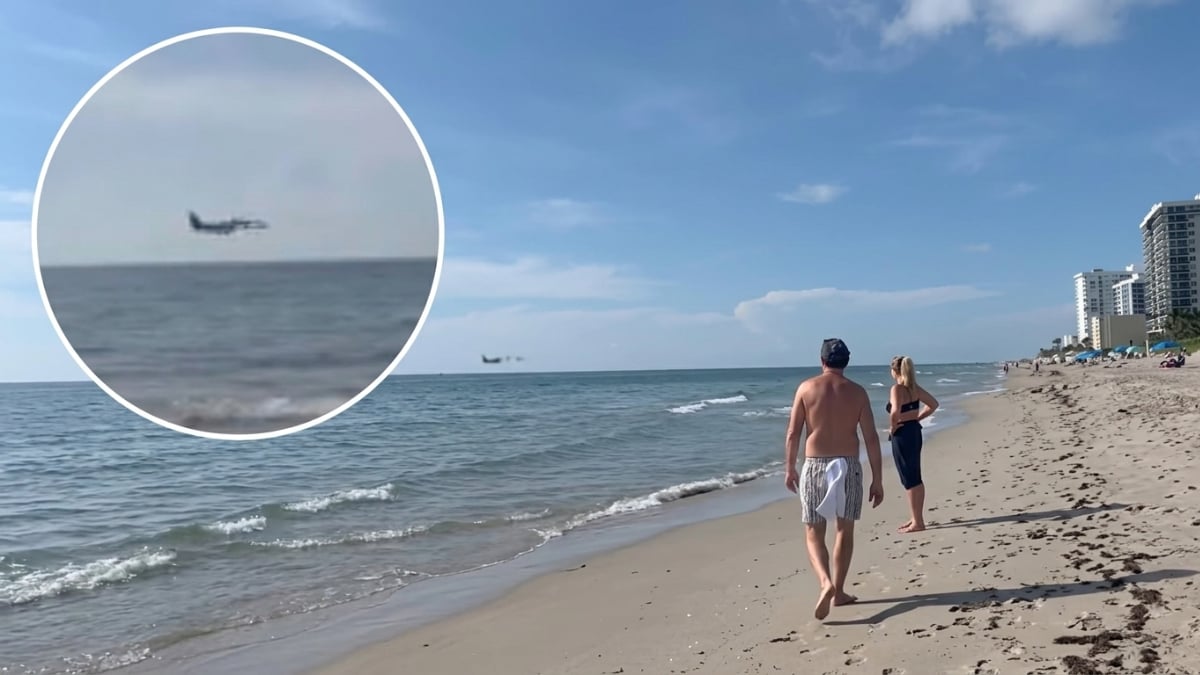
An unexpected aviation incident unfolded off the coast of the United States after a pilot executed an emergency ocean landing near Florida beach waters. Emergency landings conducted in open water—frequently referred to in aviation standards as ditching—require precise maneuvers, particularly when carried out in proximity to popular public shorelines. While full technical reports detailing the specific flight path, aircraft type, and exact sequence of mechanical or environmental factors are subject to ongoing official reviews, the event underscores the complex split-second decisions pilots face when forced to bring an aircraft down away from standard airport runways.
Understanding Coastal Aviation Emergencies and Water Landings
When an aircraft experiences a severe mechanical failure, sudden power loss, or critical operational distress that prevents it from reaching an designated airstrip, pilots are trained to identify the safest immediate landing area. In coastal regions such as Florida, where dense residential areas, highways, and crowded beachfronts often border the shoreline, open water frequently presents the least hazardous alternative to prevent ground casualties.
Executing a controlled water landing requires balancing multiple physical variables. Pilots must carefully manage airspeed, wind direction, wave swell patterns, and descent angles to minimize structural impact upon contacting the water surface. Bringing an aircraft down near a beach area allows for quicker visual assessment of surface conditions, while also keeping the aircraft within reasonable reach of shoreline emergency services and coastal rescue personnel.
Key Operational and Safety Considerations During Water Touchdowns
In forced water landing scenarios, flight crews and maritime responders follow structured operational protocols designed to protect human life and secure the surrounding environment. Key aspects of managing such incidents include:
- Initial Area Assessment: Pilots evaluate visible ocean conditions, wave heights, and the location of swimmers or watercraft to select an touchdown vector clear of bystanders.
- Emergency Broadcasts: Flight crews attempt to transmit distress signals and position coordinates to air traffic control and nearby maritime units before impact.
- Immediate Evacuation: Once the aircraft comes to a stop in the water, occupants must swiftly unbuckle and exit using personal flotation equipment before the airframe begins taking on water.
- Rapid Response Deployment: Shoreline lifeguards, local police maritime units, and coast guard responders coordinate immediate water rescue procedures to retrieve occupants.
- Site Containment: Environmental and safety teams work to secure the aircraft wreckage, mitigate potential fuel spillage, and salvage evidence for official crash investigations.
What This Emergency Incident Means for Ordinary Citizens and Beachgoers
For local residents, tourists, and general readers, seeing or hearing about an emergency ocean landing near Florida beach locations can understandably raise questions regarding public safety along coastal recreation zones. However, aviation safety protocols are specifically designed to prioritize ground and water bystander safety during unforeseen airborne crises.
When an emergency occurs near a public beach, shoreline visitors should maintain a safe distance and clear the immediate water and sand areas to allow professional first responders unhindered access. Bystanders are advised never to approach floating or submerged aircraft debris independently, as structural hazards, sharp edges, and residual fuel pose significant safety risks. Reporting observations directly to emergency dispatchers provides valuable localized information without endangering public safety.
From a broader regulatory perspective, incidents of this nature prompt thorough reviews by aviation authorities. Investigating agencies examine pilot actions, maintenance logs, weather conditions, and air traffic communication records to determine root causes and evaluate whether existing safety standards need adjustment to further safeguard coastal airspace.
Official Verification and Follow-Up Information
As with all major flight incidents, specific details regarding pilot status, passenger counts, aircraft registration, and mechanical findings must be confirmed through verified official channels. Aviation safety boards and local public safety departments manage the official release of confirmed facts following preliminary field investigations. Readers seeking accurate, up-to-date reports on this event are encouraged to consult official updates published by relevant flight safety authorities and local emergency services.
Source: ARY News
Get alerts in your inbox
Weekly roundup of Punjab schemes, Pakistan jobs, and Gulf opportunities.