PIMS Hospital Fire: Executive Director Scrutinized After Newborn Deaths
Following the tragic PIMS hospital fire that led to newborn deaths, top administrative leadership faces intense questioning regarding safety protocols and oversight.
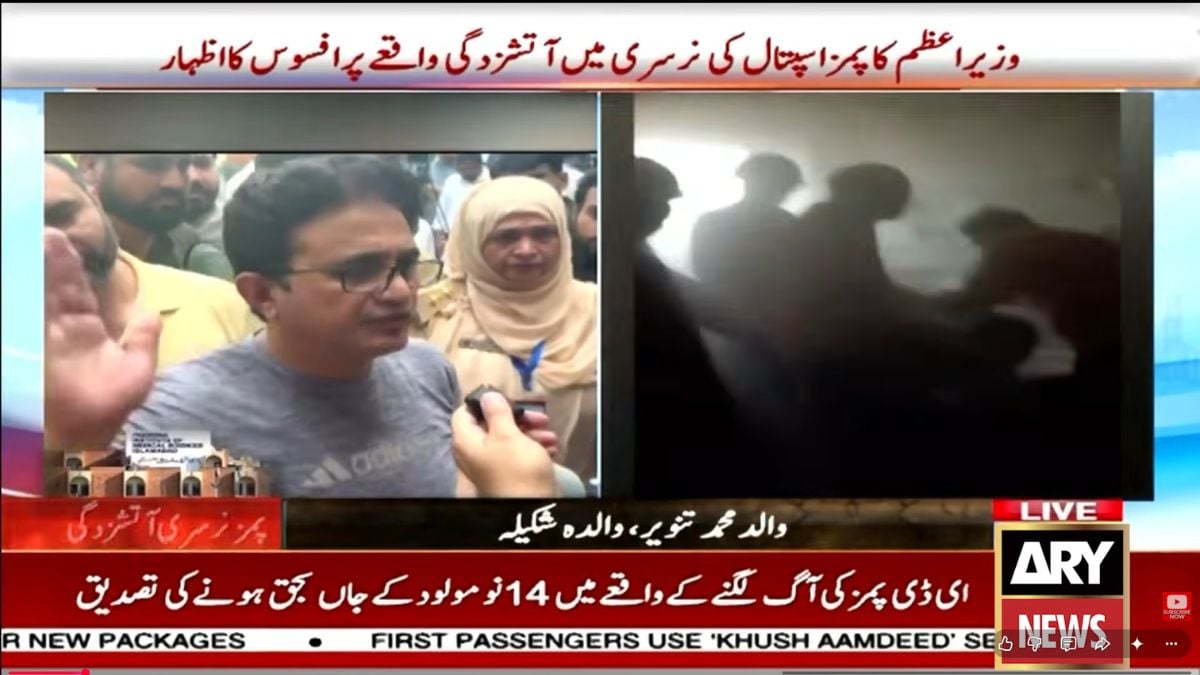
The tragic PIMS hospital fire has brought public healthcare safety and administrative management into sharp focus across Pakistan, raising profound concerns over emergency readiness in tertiary care centers. The devastating event, which tragically resulted in newborn deaths, has prompted urgent calls for institutional accountability. As authorities examine the circumstances surrounding the blaze, the hospital executive director and senior administration face tough questions regarding operational oversight, building safety protocols, and the maintenance of life-saving equipment within high-risk medical environments.
Administrative Scrutiny and Emergency Preparedness at PIMS
In the wake of the incident, public health observers and policy analysts are closely monitoring how administrative oversight failed to prevent or immediately mitigate such a catastrophe. Tertiary facilities like Pakistan Institute of Medical Sciences (PIMS) serve thousands of patients daily and house sensitive specialized departments, including neonatal intensive care units where exceptionally vulnerable infants rely entirely on continuous care and secure environmental controls.
When an emergency of this scale occurs, the responsibility naturally falls upon institutional leadership to explain how fire detection, containment, and evacuation mechanisms functioned. Inquiries into such incidents typically assess whether standard safety compliance certificates were updated, if staff had undergone mandatory fire safety training, and whether emergency protocols were executed swiftly enough to prevent loss of life. For senior officials, including the executive director, answering these hard questions is essential not only for assigning responsibility but also for restoring public trust in state-funded medical institutions.
Emergency management experts emphasize that healthcare facilities require far more stringent safety standards than general public buildings. The presence of oxygen lines, complex electrical networks for life-support machinery, and non-ambulatory patients makes fire risk management an absolute priority. When infant lives are lost, systemic shortcomings in routine maintenance, electrical safety audits, and administrative vigilance come under intense examination by governmental inquiry boards.
Key Safety Imperatives for Public Healthcare Facilities
To prevent similar tragedies in public healthcare centers across the region, experts highlight several critical institutional requirements that must be strictly enforced:
- Routine Electrical and Infrastructure Audits: Conducting continuous, certified inspections of high-voltage equipment, intensive care oxygen delivery channels, and central air conditioning systems.
- Specialized Evacuation Plans for Vulnerable Wards: Establishing dedicated, rapid-evacuation protocols tailored specifically for non-ambulatory patients, infants, and critical care units.
- Mandatory Staff Emergency Drills: Ensuring all medical, nursing, and administrative personnel undergo frequent fire safety drills and emergency response training.
- Installation of Advanced Suppression Systems: Outfitting every hospital ward, especially neonatal and intensive care units, with functional automatic smoke detection and flame suppression technology.
- Transparent Leadership Accountability: Enforcing clear administrative lines of responsibility to ensure executive leadership proactively maintains safety compliance.
What This Tragedy Means for Ordinary Citizens
For ordinary citizens who depend on state-run healthcare facilities for accessible and affordable medical treatment, the safety lapse at PIMS raises serious concerns regarding patient security in government institutions. Families seeking medical care for newborn children expect a safe environment equipped with both professional medical care and dependable physical infrastructure.
This incident underscores the urgent need for patients and their families to remain aware of hospital safety environments. While citizens rely on state administration to maintain institutional standards, public demand for transparency plays a crucial role in compelling authorities to fix structural flaws. When visiting public hospitals, families are encouraged to note basic emergency infrastructure, such as visible exit routes and accessible safety notices, while advocating for higher safety standards through public feedback channels.
Furthermore, this situation demonstrates that public health policy must prioritize physical infrastructure safety alongside medical services. Citizens are advised to seek official announcements and verified updates from healthcare departments regarding ongoing inquiry findings and newly mandated hospital safety reforms rather than relying on unverified rumors.
Systemic Reforms and Policy Implications for Health Authorities
The ongoing inquiry into the administrative handling of the PIMS incident serves as a critical test for public sector management. Beyond immediate questioning of administrative leadership, health authorities face pressure to implement comprehensive policy reforms across all public sector hospitals. This includes setting up independent safety compliance bodies that operate outside the influence of local hospital administration to ensure unbiased monitoring.
Upgrading safety infrastructure requires dedicated budget allocations, regular public reporting, and uncompromising enforcement of building codes. If administrative figures fail to maintain necessary safety standards, institutional mechanisms must ensure swift corrective measures and clear accountability. Only through thorough, transparent inquiries and systemic upgrades can public confidence in the healthcare system be rebuilt after such a tragic loss.
As official investigations proceed, concerned citizens and healthcare stakeholders should monitor formal updates released by health authorities and official institution channels for verified information regarding administrative actions, safety audit findings, and updated patient security guidelines.
Source: ARY News
Get alerts in your inbox
Weekly roundup of Punjab schemes, Pakistan jobs, and Gulf opportunities.