PIMS Tragedy Inquiries Highlight Conflicting Accounts Between Doctors and Ministry
Contradictory statements between the health minister and attending doctors at PIMS regarding a recent hospital tragedy have sparked public concern and demands for a transparent inquiry.
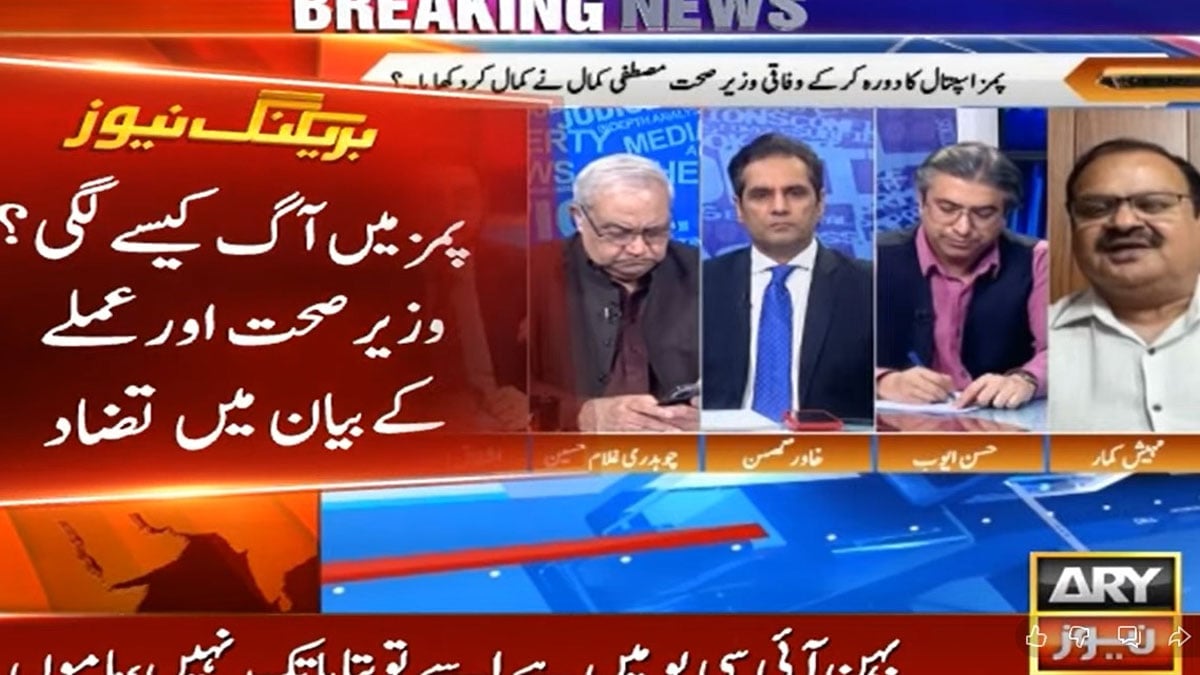
Discrepancies between official statements released by top health authorities and direct accounts provided by treating medical staff have cast a spotlight on the PIMS hospital tragedy. As public concern grows following the unfortunate incident at the Pakistan Institute of Medical Sciences (PIMS), conflicting narratives between administrative leaders and frontline doctors underscore the urgent need for a clear, transparent, and fact-based inquiry. When primary medical personnel and governing health officials present differing timelines or assessments of an emergency event, establishing a clear line of institutional accountability becomes essential for restoring public trust in government-run healthcare facilities.
Emergence of Contradictions Between Administrative Oversight and Clinical Realities
In the aftermath of major incidents within public sector hospitals, the communication stream between hospital administration, duty doctors, and executive health ministries plays a decisive role in shaping public understanding. In this instance, statements issued by the health minister appear to diverge from the testimony and observational reports offered by the medical staff present during the event. Such contradictions frequently stem from systemic communication gaps where high-level administrative reports rely on summarized briefs, while attending physicians operate under immediate clinical pressures and real-time operational constraints.
Frontline healthcare workers often point to immediate environment conditions, duty roster shifts, equipment readiness, and exact emergency timelines. Conversely, administrative leadership typically addresses overarching compliance, broad operational policy, and official institutional protocols. When these two viewpoints fail to align publicly, it creates uncertainty among citizens who rely on public tertiary care facilities for critical medical interventions. Resolving these narrative gaps requires an unyielding, objective audit of duty logs, clinical notes, and emergency response records.
Systemic Challenges and Administrative Governance in Public Healthcare
The Pakistan Institute of Medical Sciences operates as one of the premier public sector medical complexes, accommodating thousands of patients daily from across the region. Consequently, any operational breakdown or tragic outcome carries significant ramifications for national health administration. The conflicting reports surrounding the recent incident emphasize deep-seated administrative challenges that frequently impact major government hospitals.
Key structural factors under examination in such operational reviews typically include:
- Emergency Response Timelines: Reconciling exact timestamps of patient admission, triage assessment, physician assignment, and clinical intervention against administrative claims.
- Resource and Inventory Logics: Verifying whether essential life-support machinery, emergency medications, and specialized care units were fully operational and accessible at the moment of care.
- Shift Coordination and Duty Staffing: Assessing whether attending physician ratios, nursing staff numbers, and supervisory consultants met required standard operating procedures (SOPs).
- Communication Frameworks: Evaluating how critical patient updates are escalated from ward doctors to hospital management and subsequently to the Ministry of National Health Services.
Without standardized and automated real-time reporting mechanisms, institutional updates risk relying on fragmented data, leading directly to the public contradictions currently witnessed in this case.
What the Contradictions Mean for Ordinary Citizens and Patients
For ordinary citizens, especially low- and middle-income families who rely overwhelmingly on subsidized state healthcare, conflicting public statements generate serious apprehension regarding patient safety and administrative honesty. When a public healthcare system exhibits internal disagreement over the facts of a critical tragedy, patients and their families are left questioning the reliability of routine emergency services and institutional accountability.
Understanding what these developments mean for everyday healthcare seekers involves several key considerations:
1. Heightened Demand for Standard Operating Procedures
Public scrutiny forces healthcare institutions to re-evaluate emergency management protocols. For citizens, this ongoing debate emphasizes the importance of knowing basic patient rights, including the right to clear medical explanations, formal admission documentation, and transparent updates regarding critical treatments.
2. The Role of Official Grievance Redressal
When discrepancies arise, patient families are reminded of the necessity of formal administrative channels. Rather than relying on informal communications, citizens seeking clarity regarding hospital care are encouraged to request verified medical record summaries and direct inquiries through official hospital ombudsmen or designated administrative oversight boards.
3. Reliance on Verified Information Channels
During ongoing investigations, speculative claims and unverified social media updates can exacerbate public distress. Members of the public are advised to monitor formal notifications released by official health ministry spokespersons and recognized hospital boards while avoiding unconfirmed commentary regarding clinical findings.
Ensuring Transparency Through Formal Fact-Finding Committees
To eliminate contradictions and restore public confidence, state health authorities typically constitute independent fact-finding committees composed of senior medical experts, administrative auditors, and legal representatives. The objective of such committees is to thoroughly review clinical entries, examine diagnostic logs, interview duty personnel, and construct a definitive chronological account of the event.
An transparent inquiry not only fixes responsibility where procedural failures occurred but also protects dedicated healthcare professionals who performed their duties under challenging circumstances. For the public healthcare sector to function effectively, administrative statements must accurately reflect ground realities established by rigorous clinical audits rather than rushed preliminary assessments.
Navigating Public Health Services Responsibly
As state authorities work to resolve the contradictions between ministerial summaries and doctor accounts, patients visiting PIMS and similar public medical institutes should continue to utilize available healthcare services while remaining vigilant regarding administrative procedures. Always ensure that emergency admissions, prescription directives, and treatment transfers are properly documented by duty staff.
For official updates regarding policy changes, inquiry board findings, and official health ministry press statements, citizens should regularly consult official government portals and verified communications issued directly by the relevant ministry. As this inquiry progresses, confirming details directly from official administrative notices remains the best approach for staying accurately informed.
Source: ARY News
Get alerts in your inbox
Weekly roundup of Punjab schemes, Pakistan jobs, and Gulf opportunities.