Plastic Waste Cookies Developed by Scientists to Tackle Hunger
Scientists develop experimental plastic waste cookies to combat global hunger by transforming synthetic materials into alternative nutrition.
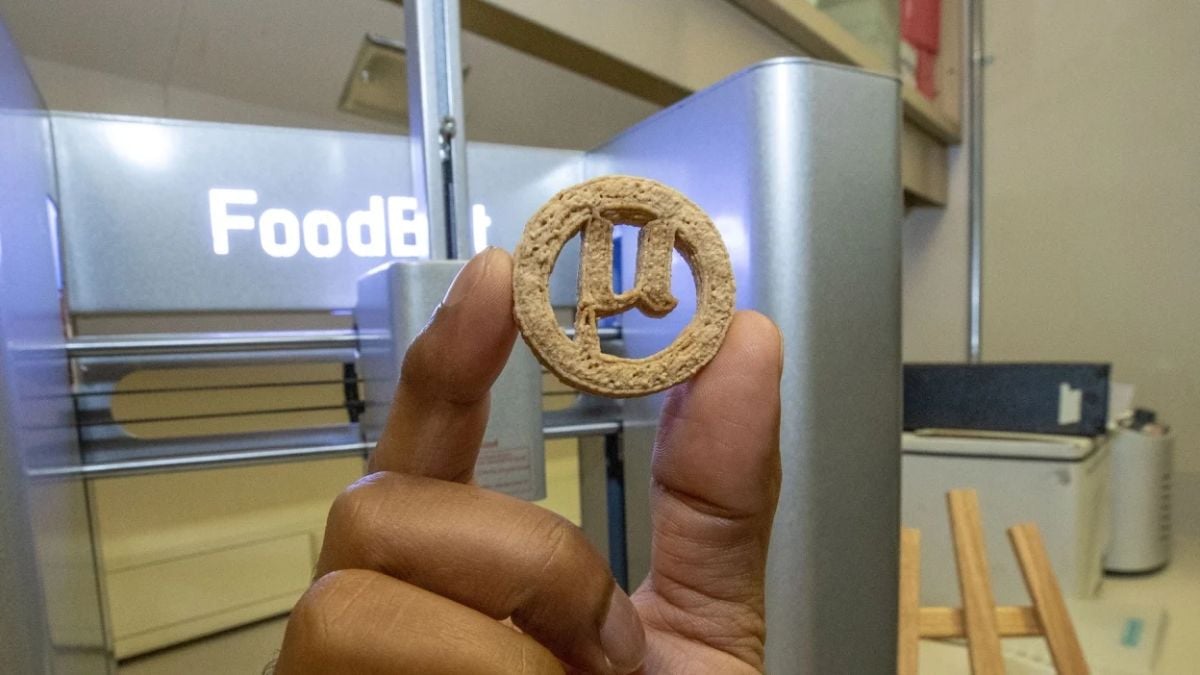
Researchers have introduced an unconventional approach to addressing food scarcity through the creation of experimental plastic waste cookies designed to fight global hunger. As scientific communities look for innovative solutions to environmental pollution and food insecurity simultaneously, this recent development bridges two major global crises. While the concept sounds unusual, the underlying research focuses on transforming synthetic polymers into edible biomass. Readers should note that this remains an experimental scientific study, and official sources should be consulted for comprehensive technical details.
The Science Behind Plastic Waste Cookies
The core methodology involves utilizing specific chemical processes and biological agents, such as engineered bacteria or specialized enzymes, to break down non-biodegradable materials. Once the synthetic structure is degraded, the resulting compounds undergo refinement to ensure they meet basic safety standards before being processed into a consumable form. This laboratory-scale procedure aims to convert discarded packaging into a source of nourishment.
Developing alternatives to conventional agriculture is a growing area of study as climate change threatens traditional crop yields. By recycling discarded materials into an alternative caloric source, researchers hope to alleviate pressure on global food supply chains. However, large-scale viability, nutritional completeness, and long-term health implications require extensive peer review and regulatory clearance.
What This Means for Ordinary Citizens
For the average person, this scientific breakthrough highlights the changing landscape of food technology and waste management, though it does not signal an immediate change in daily life.
- No Immediate Market Availability: These experimental items are confined to laboratory settings and are not available for public consumption.
- Environmental Impact: The research underscores ongoing efforts to find high-value secondary uses for persistent pollutants.
- Future Food Security: As alternative nutrition research advances, public awareness of synthetic food sources will likely increase.
Citizens should remain informed through verified scientific reports rather than speculative headlines. As developments unfold, checking official announcements regarding food safety and biotechnology will help separate laboratory milestones from practical consumer applications.
Source: ARY News
Get alerts in your inbox
Weekly roundup of Punjab schemes, Pakistan jobs, and Gulf opportunities.