Porsche Set to End Taycan Production by 2030 Amid EV Shift
Porsche is preparing to conclude production of its pioneering Taycan electric sports saloon by 2030 as the automaker reshapes its long-term product roadmap.
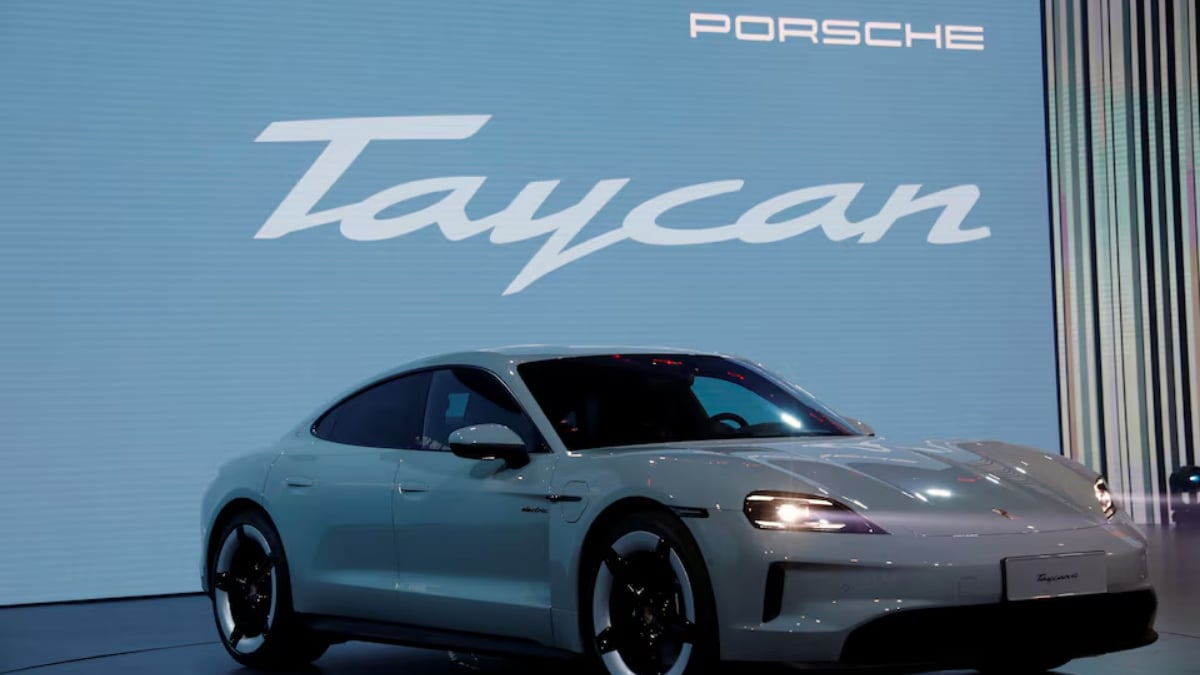
The global automotive landscape is entering an era of rapid technological turnover, and high-performance luxury manufacturers are no exception. According to recent industry reports, Porsche Taycan production is slated to conclude by 2030. This planned phase-out reflects the natural lifecycle progression of modern electric platforms and signals broader structural changes across the electric vehicle (EV) sector as manufacturers re-evaluate platform architecture, battery chemistry, and consumer demand patterns.
Strategic Realignment in the Electric Luxury Vehicle Segment
When the Taycan was first introduced, it served as a flagship statement, demonstrating that high-performance engineering could coexist seamlessly with zero tailpipe emissions. Over its operational lifespan, the vehicle established benchmarks in rapid charging capabilities, thermal management, and dynamic driving performance. However, the pace of innovation across the electric mobility sector moves considerably faster than traditional internal combustion development schedules.
A target timeline of 2030 represents a standard ten-to-eleven-year lifecycle for a vehicle generation, particularly one that pioneered a dedicated electric architecture. Automotive manufacturers must continually balance investments in existing assembly lines against the capital required for next-generation platforms. Phasing out a pioneering nameplate allows engineering teams to shift resources toward standardized, modular architectures capable of supporting higher energy densities, advanced software architectures, and automated driving features.
Evolution of Electric Mobility and Manufacturing Cycles
The decision to wind down production by 2030 illustrates how automakers treat first-generation electric platforms as stepping stones rather than permanent fixtures. The original architectures developed in the late 2010s were groundbreaking for their time, yet they were engineered around battery form factors and electrical components that are rapidly being superseded by lighter, more efficient alternatives.
As carmakers prepare their long-term industrial footprints, assembly facilities must undergo extensive retooling. Continuing the assembly of older EV platforms alongside emerging unified vehicle architectures often creates logistical complexities and increases per-unit production costs. By setting a definitive horizon for the model run, manufacturing planners can systematically manage supplier contracts, battery cell procurement schedules, and factory floor allocations.
Key Drivers Behind the Planned Production Transition
Several interrelated commercial and technical factors contribute to the scheduled conclusion of this vehicle line:
- Platform Modernization: The shift toward modular, software-defined vehicle architectures makes older, bespoke electric chassis less cost-effective to maintain over multi-decade spans.
- Next-Generation Battery Technology: Advancements in solid-state and high-silicon cell formulations demand redesigned battery packs and chassis integration methods that legacy platforms cannot easily accommodate.
- Portfolio Diversification: Expanding electric SUV and crossover lineups requires dedicated factory capacity, shifting assembly priorities toward higher-volume consumer segments.
- Standard Generational Lifespans: Luxury vehicle nameplates routinely undergo structural retirements or complete reimagining after two full commercial cycles.
What This Means for Ordinary Citizens and Everyday Car Buyers
While top-tier luxury sports saloons occupy a niche price point, strategic changes at the apex of the automotive industry consistently generate ripple effects across the broader consumer market. For ordinary motorists and prospective EV buyers, this scheduled transition highlights several important practical dynamics:
1. Expansion of the Secondary EV Market
As vehicles approach the end of their production cycle and newer models enter the market, secondary market supply tends to stabilize. For motorists interested in acquiring advanced electric powertrains without the initial depreciation burden of a showroom purchase, end-of-production timelines often create more predictable pricing trends in the pre-owned sector.
2. Technology Trickle-Down to Mass-Market Vehicles
Pioneering engineering solutions—such as 800-volt charging systems, sophisticated regenerative braking algorithms, and advanced inverter designs—initially debuted on premium performance platforms. As these platforms complete their lifecycle, the underlying technologies are refined, standardized, and mass-produced at significantly lower costs, eventually finding their way into everyday commuter cars and affordable family hatchbacks.
3. Infrastructure Maturation
The performance standards popularized by early luxury electric models helped establish the high-power fast-charging corridors now utilized by drivers of all vehicle categories. As automakers phase out pioneering models in favor of newer lineups, ongoing charging infrastructure investments will continue to support both legacy and future generations of electric transport.
Navigating the Future of Automotive Electrification
The planned conclusion of production by 2030 underscores the mature, disciplined approach major manufacturers are adopting toward electrification. Rather than viewing the end of a model run as a retreat, it reflects a strategic pivot toward next-generation engineering capable of addressing mass-market efficiency, sustainability, and software integration. Motorists and industry observers should monitor official manufacturer bulletins and authorized distributor channels for formal updates regarding specific market allocations, warranty service continuity, and future model announcements.
Source: ARY News
Get alerts in your inbox
Weekly roundup of Punjab schemes, Pakistan jobs, and Gulf opportunities.