President Urges Expansion of Banking Mohtasib Services Awareness
President Zardari has called for increased public awareness of banking mohtasib services to help citizens protect their financial rights and resolve disputes effectively.
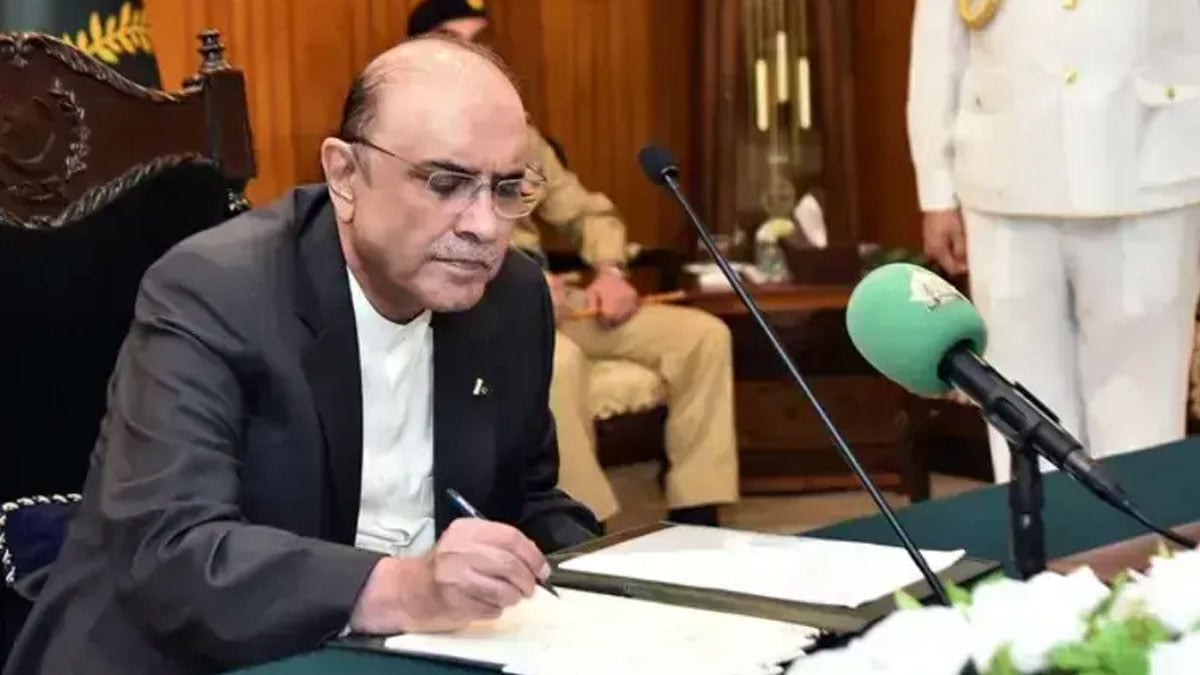
In a effort to strengthen consumer rights within Pakistan's financial sector, President Asif Ali Zardari has emphasized the critical need to expand public awareness regarding banking mohtasib services. Highlighting the gap between institutional availability and general public knowledge, the President stressed that financial consumers across the country must be fully informed about accessible, free, and impartial dispute resolution mechanisms. As digital banking adoption accelerates and traditional financial transactions continue to grow nationwide, ensuring that every account holder understands their legal rights and avenues for grievance redressal remains central to building a fair, transparent, and secure banking environment.
Understanding the Role of the Banking Ombudsman
The institution of the Banking Mohtasib serves as an independent statutory body established to resolve conflicts between commercial banks, specialized financial institutions, and their customers. When disputes arise—ranging from unauthorized electronic fund transfers, deceptive service charges, delayed account processing, to mismanaged credit services—consumers often feel overwhelmed by complex institutional hierarchies. The Banking Ombudsman provides an accessible alternative to lengthy and expensive court proceedings, offering an objective platform where complaints are reviewed based on fairness, banking regulations, and equity.
Despite the existence of these protective mechanisms, a significant portion of the population remains unaware of how to approach the Ombudsman's office. Many customers either endure financial losses quietly or waste time pursuing ineffective complaint channels. Enhancing public understanding of these services ensures that banks remain accountable to regulatory standards and customer protection mandates.
Why Public Awareness Is Essential for Financial Protection
Expanding awareness of these statutory services plays a pivotal role in strengthening public trust across the national financial architecture. A large segment of the population, particularly in rural and semi-urban areas, remains unaware that a dedicated public forum exists to address their banking grievances without requiring heavy legal fees. When citizens lack knowledge about these regulatory safeguards, they may tolerate financial losses, uncorrected system errors, or high-handed operational behavior by financial service providers.
By driving widespread public education campaigns, regulatory bodies and government leadership aim to ensure that financial inclusion goes hand-in-hand with consumer protection. As more citizens transition toward digital payment systems, online accounts, and automated services, clear grievance mechanisms become vital to protecting vulnerable account holders from technical glitches and fraudulent practices.
What This Means for Ordinary Citizens
For daily bank customers, account holders, small business owners, and digital wallet users, the emphasis on enhanced awareness serves as an encouraging reminder of their consumer rights. Ordinary citizens frequently encounter everyday banking challenges, such as unexpected fee deductions, failed automated teller machine (ATM) cash dispensations where the amount is credited out, delays in loan clearance documentation, or fraudulent online activities. Knowing that the Banking Mohtasib operates as an approachable, neutral entity gives consumers a practical layer of security against systemic oversights.
Accessing these services allows citizens to present their grievances directly to an independent authority without needing to hire legal representation. This levels the playing field between individual bank customers and large financial institutions, ensuring that every valid complaint receives a fair evaluation based on statutory merits.
Key Steps in the Complaint Escalation Process
Citizens seeking to resolve disputes through official banking channels should follow a structured, multi-tier approach to ensure their grievances are documented and processed correctly:
- Direct Bank Liaison: Submit a formal written complaint to the designated complaint desk or manager of the concerned bank branch, ensuring you receive an official acknowledgment receipt or tracking number.
- Allow the Resolution Period: Give the financial institution the prescribed duration required by regulatory standards to investigate and resolve the issue internally.
- Escalation to the Banking Mohtasib: If the bank fails to provide a response within the stipulated timeframe or offers an unsatisfactory resolution, file a formal complaint with the Banking Mohtasib Secretariat.
- Provide Supporting Documentation: Attach all relevant evidence, including transaction receipts, correspondence history, account statements, and a copy of the initial complaint submitted to the bank.
- Monitor Case Progress: Track the status of your application through official channels or portals provided by the Ombudsman's office.
Enhancing Institutional Accessibility and Consumer Confidence
To achieve meaningful outcomes from public awareness drives, financial institutions and regulatory oversight bodies must work collaboratively. Displaying information regarding statutory grievance mechanisms prominently at bank branches, on mobile banking applications, on automated teller machines, and through public media campaigns ensures that information reaches all demographics. Enhancing public literacy around dispute resolution not only benefits individual consumers but also encourages financial institutions to maintain higher operational standards, internal compliance, and customer-centric policies.
Citizens are advised to familiarize themselves with standard banking dispute procedures and consult official government and statutory portals for verified guidelines, contact details, and complaint submission forms. Always ensure that sensitive financial details, such as passwords or personal identification numbers, are kept secure and shared only through authorized official procedures.
Source: ARY News
Get alerts in your inbox
Weekly roundup of Punjab schemes, Pakistan jobs, and Gulf opportunities.