Privatisation Board Approves Adviser for Lahore and Karachi Airports
The Privatisation Commission has approved a top-ranked consortium as financial adviser to outsource major airports in Lahore and Karachi.
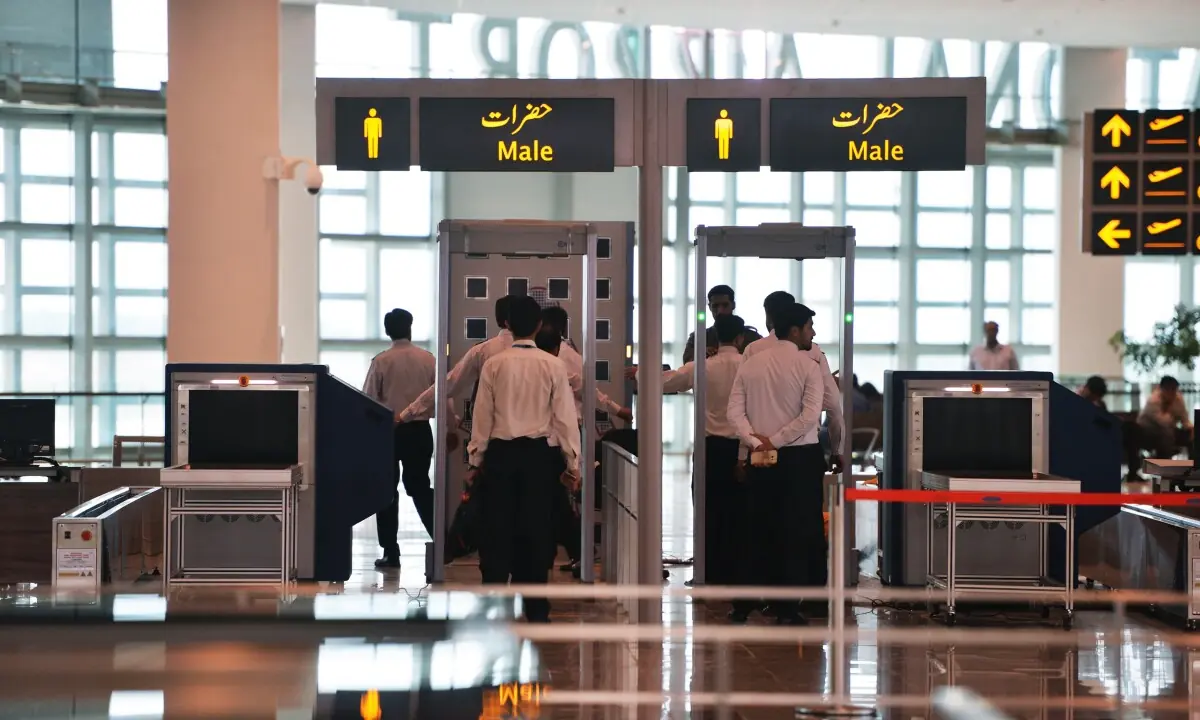
The ongoing efforts to modernise major aviation hubs in the country took a significant step forward as the Privatisation Commission formally approved the hiring of a financial adviser for the upcoming outsourcing project. This decision marks a crucial phase in the broader strategy to bring international management standards and private sector expertise to two of the nation's most prominent air travel facilities. Stakeholders across the public and private sectors are closely watching these developments as preparations unfold for the transition of operational control.
Adviser Selection and Scope of Outsourcing
During a recent high-level meeting of the board of directors, officials reviewed various proposals and finalised the appointment of a top-ranked consortium to oversee the transaction. This advisory group will guide authorities through the complex process of transferring the management of the Allama Iqbal International Airport in Lahore, alongside the major aviation hub in Karachi. The appointed financial experts will be responsible for structuring the transaction, valuing the assets, and ensuring that the outsourcing framework aligns with national interests while attracting reputable global operators.
While the board has greenlit the adviser appointment, the finer details regarding operational timelines and exact partnership models continue to evolve. Authorities have emphasised transparency throughout the competitive bidding process to secure optimal terms for the national exchequer. Observers and potential investors are advised to consult official portals for verified updates as the framework takes final shape.
What This Means for Ordinary Citizens
For everyday travellers and the general public, major structural changes to airport management bring both expectations and questions regarding service delivery. Private sector participation in aviation infrastructure is generally aimed at achieving several consumer-focused objectives:
- Enhanced passenger facilities, including cleaner terminals, upgraded seating, and improved lounge amenities.
- More efficient baggage handling systems and shorter waiting times at immigration and security check-points.
- Expanded commercial retail and dining options within the concourse areas.
- Potential improvements in flight connectivity and airline services driven by modern terminal management.
However, ordinary citizens often voice concerns regarding potential tariff adjustments or changes to airport service charges. It remains essential for regulatory bodies to protect consumer rights and ensure that passenger convenience stays at the forefront of any commercial agreements. Readers should look to official government announcements for precise details on how these policy shifts will directly impact travel experiences.
Next Steps in the Privatisation Process
Moving from the appointment of a financial adviser to the actual handover of airport operations involves multiple administrative milestones. The newly approved consortium will now begin drafting the comprehensive transaction structure, which must subsequently clear various regulatory hurdles and governmental reviews. Public-private partnerships of this magnitude require meticulous planning to balance commercial viability with public service obligations.
As the initiative progresses through these preliminary stages, interested observers can expect further announcements from relevant departments. We encourage all citizens and industry professionals to rely exclusively on official government releases and verified public portals for accurate timelines, policy documents, and further developments regarding the future of our aviation infrastructure.
Source: Dawn News
Get alerts in your inbox
Weekly roundup of Punjab schemes, Pakistan jobs, and Gulf opportunities.