Progress Reported in Pakistan's Access to Finance Initiatives
Financial inclusion programs across Pakistan are demonstrating encouraging progress, offering underserved communities greater opportunity to join the formal banking system.
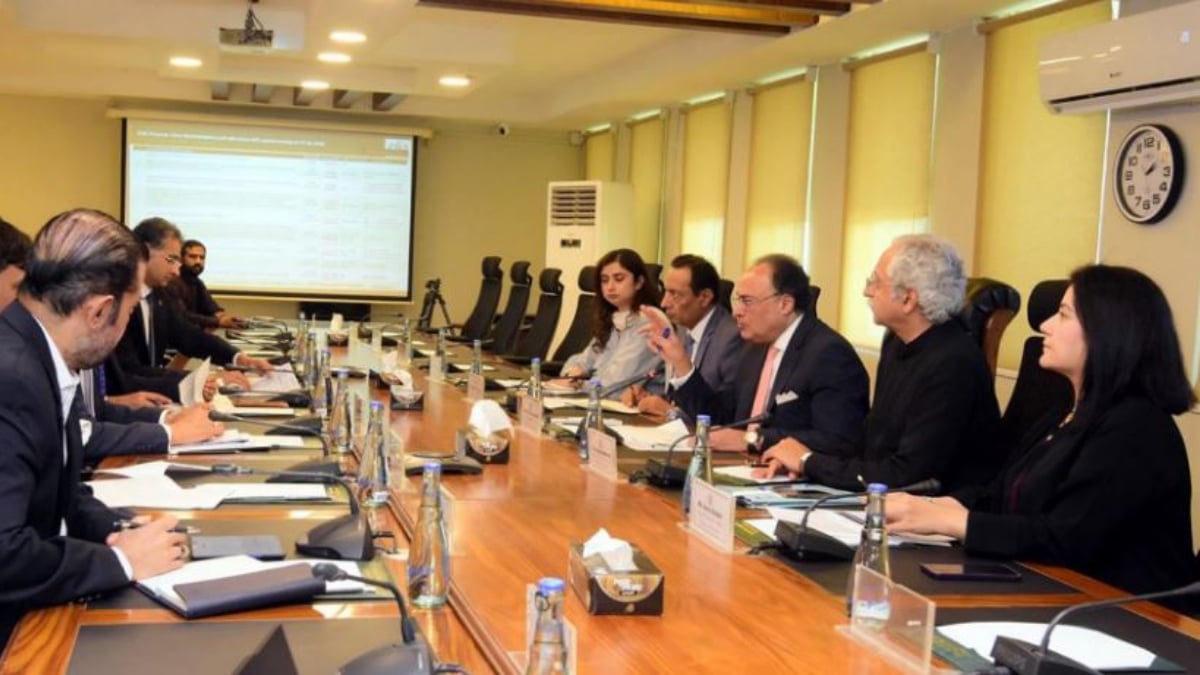
Efforts to broaden economic participation across the country are yielding visible results as access to finance initiatives continue to make steady headway. Bridging the divide between formal banking channels and marginalized populations remains a central policy objective for financial regulators, commercial institutions, and government development bodies. By encouraging digital onboarding, expanding microfinance networks, and modernizing payments infrastructure, these combined efforts are progressively transforming how individuals and enterprise owners handle their daily transactions and capital requirements.
For decades, a significant segment of the population operated outside the structured financial sector, relying predominantly on undocumented cash systems or unregulated private lenders. This structural disconnect limited personal savings security, hindered business scaling, and hampered national revenue planning. The ongoing focus on systemic reform aims to reverse these historical challenges by integrating modern fintech solutions with traditional banking mechanisms, ensuring that every citizen—regardless of geographic location or income level—has a secure channel to manage money.
Key Pillars Driving National Financial Inclusion
The steady momentum behind expanded financial access rests on a multi-tiered strategy involving regulatory modernization, private sector participation, and targeted public welfare frameworks. Central banking authorities have introduced streamlined compliance requirements that allow financial institutions to establish simplified digital accounts. This reduction in administrative paperwork has proven particularly beneficial for individuals who previously lacked standard documentation or established credit histories.
Additionally, the rapid evolution of branchless banking and mobile wallet technologies has extended services far beyond traditional brick-and-mortar branch locations. Rural and peri-urban centers, which historically lacked adequate banking coverage, now connect directly to digital payment networks. Commercial banks and microfinance institutions are also collaborating with technology providers to lower transaction costs, make small-value credit accessible, and introduce basic insurance services designed specifically for vulnerable communities.
What Expanded Financial Access Means for Ordinary Citizens
For everyday households and small enterprise operators, the structural expansion of financial services translates into tangible operational advantages. When formal banking tools become easily accessible, families gain safer avenues to accumulate savings, receive domestic remittances, and manage emergency expenses without taking on exploitative debt. Small businesses, which serve as the primary engine of employment across the country, stand to gain the most from these structural changes.
Among the primary benefits delivered to the public through these ongoing developmental shifts are:
- Simplified Account Creation: Lower documentation barriers enable low-income earners, freelancers, and small vendors to open verified digital accounts quickly.
- Direct and Transparent Transactions: Digital wallet integration ensures that government cash assistance, wage disbursements, and vendor payments reach recipients securely without unnecessary intermediary fees.
- Broader Micro-Credit Opportunities: Microfinance networks and digital lending platforms offer tailored loan products for agriculture, retail, and cottage industries without rigid collateral mandates.
- Gender-Inclusive Banking: Dedicated financial programs provide targeted support for female entrepreneurs, encouraging financial independence and broader workforce participation.
- Building Credit Profiles: Documenting routine transactions within the formal sector allows citizens to establish a verifiable credit history, opening doors to larger commercial loans over time.
Strengthening Rural and Small Enterprise Resilience
Agriculture and small-scale manufacturing represent the backbone of the domestic economy, yet both sectors have historically faced persistent credit shortages. Current strategies emphasize customized financial products tailored to agrarian cycles and small enterprise cash flows. By connecting farmers directly with formal credit lines, these measures reduce reliance on informal middlemen who often charge prohibitive interest rates on seed and equipment financing.
Furthermore, digital payment gateways and localized banking agents are helping small business owners digitize their sales records. As financial literacy programs spread across rural regions, more entrepreneurs are learning how to leverage digital tools to maintain balance sheets, manage cash flows, and apply for government-backed development funds. This transition not only stabilizes individual enterprises but also contributes to broader national economic resilience.
Verifying Official Opportunities and Future Outlook
While the overall progress of financial inclusion strategies points toward an increasingly connected economy, citizens seeking to take advantage of specific loan schemes, grant subsidies, or microfinance opportunities are advised to exercise due diligence. Program details, interest rate structures, and eligibility criteria can vary depending on the partner institution and regional regulatory frameworks.
To ensure accurate information regarding active government-supported financial assistance programs, individuals should always consult official public portals and verified banking notifications. Interested applicants are encouraged to visit their nearest branch of a recognized financial institution or check official government web channels to confirm eligibility requirements and application procedures before submitting personal documentation.
Source: ARY News
Get alerts in your inbox
Weekly roundup of Punjab schemes, Pakistan jobs, and Gulf opportunities.