Rana Sanaullah Urges Jamaat-e-Islami to Conclude Ongoing Demonstrations
Senior politician Rana Sanaullah has advised Jamaat-e-Islami to formally end its current protest, describing the prolonged demonstration as increasingly untenable for political dialogue.
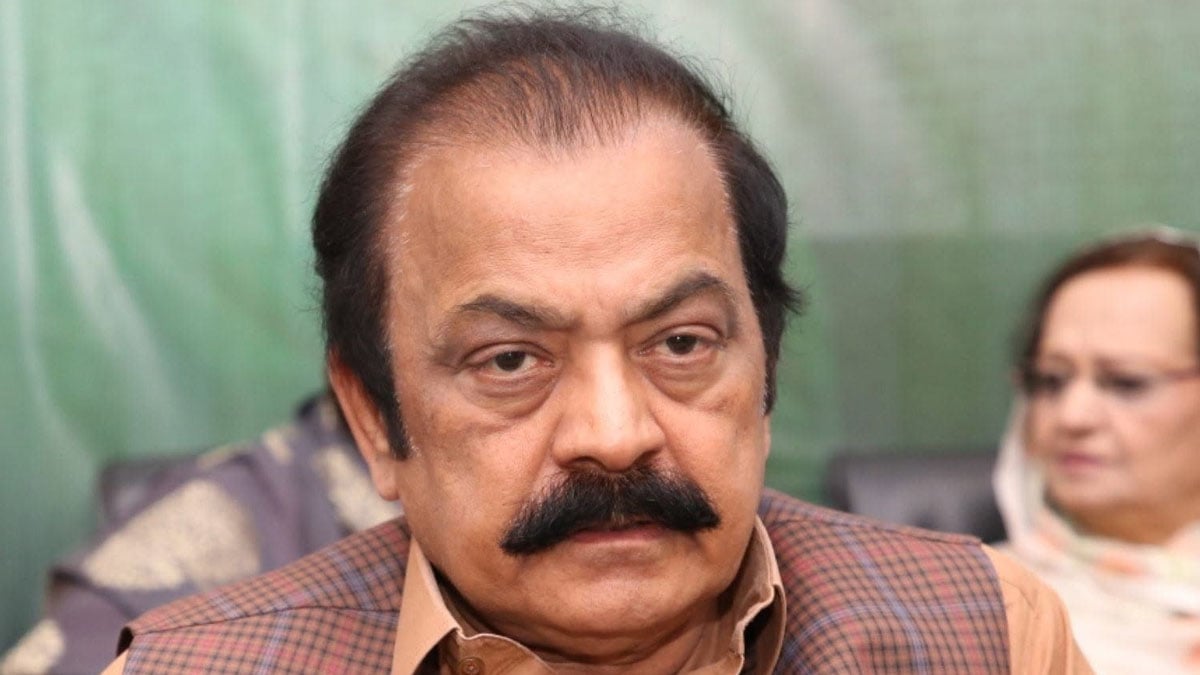
Senior political figure and government adviser Rana Sanaullah has publicly addressed the ongoing Jamaat-e-Islami (JI) demonstrations, suggesting that the prolonged sit-in has reached a point where the organizers should formally announce its conclusion. In his latest remarks regarding the Rana Sanaullah JI protest discourse, the veteran politician emphasized that continuing the public gathering no longer serves a constructive purpose and has become an awkward predicament for the party leadership. As political observers closely monitor the dialogue between the administration and the opposition movement, the call for an orderly wrap-up underscores growing pressure on both sides to resolve public grievances through legislative and administrative channels rather than prolonged street action.
Analyzing the Official Call to Conclude the Standoff
The political climate in major urban centers often reflects the friction between civic agitation and administrative control. In his statement, Rana Sanaullah highlighted that while peaceful demonstration is a constitutional right recognized across the democratic spectrum, extending sit-ins past their effective timeframe can yield diminishing returns. According to his assessment, the current posture of Jamaat-e-Islami risks deteriorating into an unnecessary impasse that complicates daily governance and public order.
Government representatives frequently maintain that the primary objective of any public political movement should be to highlight pressing socio-economic concerns, such as taxation, inflation, or energy tariffs. Once those points have been communicated clearly to the executive branch and national media, state officials argue that the focus must transition toward formal negotiations and parliamentary discourse. From the administration's standpoint, prolonging street blockades without a clear exit strategy creates administrative friction, taxes municipal resources, and strains the patience of local residents who bear the brunt of urban disruptions.
What This Means for Ordinary Citizens
For the average resident, persistent political demonstrations in key civic corridors carry immediate and practical ramifications. Whether citizens are attempting to commute to work, transport children to educational institutions, or deliver commercial goods, large-scale gatherings frequently lead to traffic diversions, road closures, and prolonged transit times. Understanding the status of the Rana Sanaullah JI protest statement helps the public gauge whether a resolution is near or if alternative travel arrangements will remain necessary.
- Daily Mobility and Commuting: Prolonged protests often result in the closure of major arterial roads and highways, forcing commuters onto narrower secondary routes. This bottleneck effect significantly increases travel times and fuel consumption for local motorists.
- Commercial Activity and Small Businesses: Shops, markets, and vendors operating in the vicinity of demonstration sites routinely report reduced customer footfall due to security cordons and mobility restrictions. A formal end to protests allows local commercial hubs to resume standard trading hours.
- Public Infrastructure and Emergency Services: Urban sit-ins can hamper the movement of emergency vehicles, including ambulances and fire engines. Administrative calls to wrap up demonstrations aim to restore unobstructed access to critical public service facilities.
- Policy Action vs. Street Pressure: While public protests aim to pressure decision-makers on economic matters, actual relief measures—such as tariff adjustments or policy shifts—require institutional execution through official government departments.
Navigating Public Mobility and Official Updates
During periods of political friction, citizens are strongly advised to rely on verified information channels regarding road openings, security advisories, and administrative notices. Municipal traffic authorities regularly publish real-time traffic plans to assist motorists in bypassing congested demonstration zones. Rather than relying on unverified social media reports, commuters should consult official traffic police bulletins and state media broadcasts to plan their daily travel safely.
Furthermore, local businesses and logistics providers should maintain flexible schedules when operating near key political assembly points. As discussions between government representatives and political organizers evolve, sudden shifts in road availability can occur. Staying informed through official administrative portals ensures that private citizens and commercial operators can minimize economic and personal disruptions during ongoing public standoffs.
Key Takeaways from the Political Discourse
The dialogue surrounding the Jamaat-e-Islami sit-in highlights broader themes within national political dynamics. The following points summarize the primary aspects of the ongoing situation:
- Government Stance: High-ranking political figures, including Rana Sanaullah, have explicitly called on Jamaat-e-Islami leadership to announce a formal conclusion to their public protest.
- Assessment of Standoff: Official commentary suggests that the demonstration has reached a phase where continuing it produces diminishing political utility and unnecessary public inconvenience.
- Civic Priorities: The primary concern for municipal administrators remains the restoration of smooth traffic flow, public safety, and uninterrupted commercial operations across urban centers.
- Verification Needs: Readers and citizens seeking precise operational details, traffic routes, or official policy responses regarding the protest demands should verify information directly through official government bulletins and institutional announcements.
As political leaders continue to debate the merits and timeline of public demonstrations, the overriding priority for civic administration remains the maintenance of public order and civic stability. Citizens are encouraged to monitor state media releases and local municipal announcements for authoritative updates on road conditions and policy developments.
Source: ARY News
Get alerts in your inbox
Weekly roundup of Punjab schemes, Pakistan jobs, and Gulf opportunities.