Ratko Mladic, Convicted Bosnia Genocide General, Dies
Ratko Mladic, the former military commander convicted of genocide and crimes against humanity during the Bosnia conflict, has died.
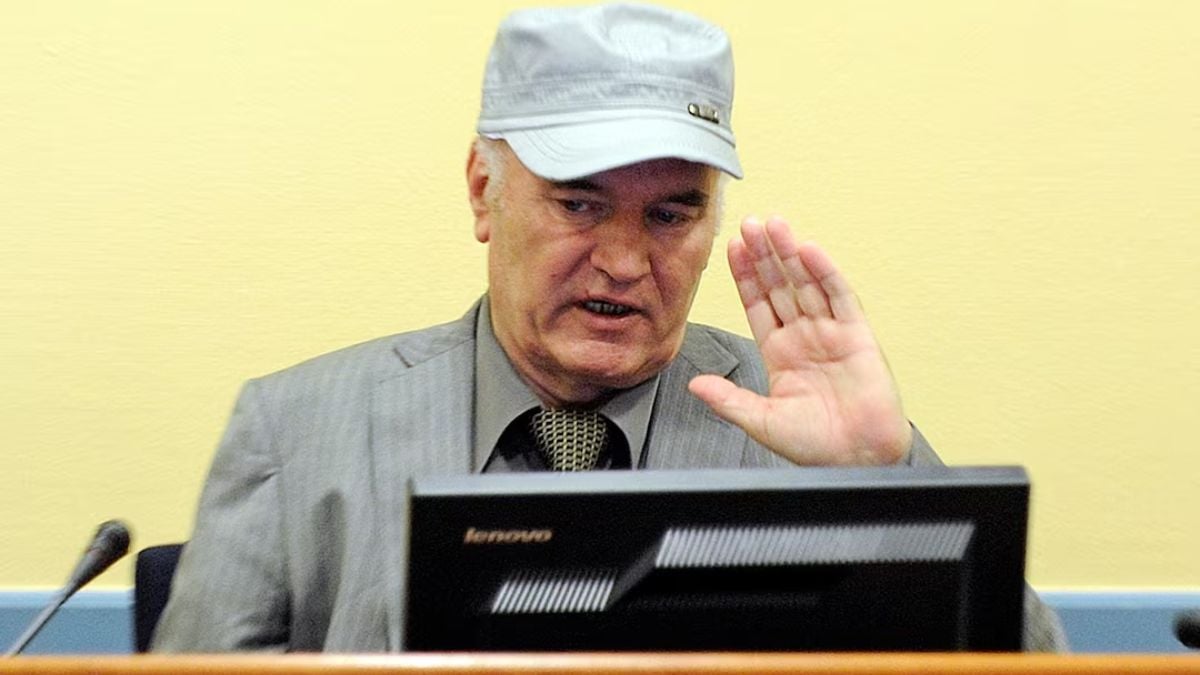
The passing of Ratko Mladic, the former military commander convicted of orchestrating some of the most horrific atrocities in modern European history, marks the end of a deeply painful chapter for survivors and families seeking accountability. Known widely as the Butcher of Bosnia, his military career culminated in international tribunals finding him guilty of genocide, crimes against humanity, and violations of the laws or customs of war during the 1990s conflict. While independent news outlets report on his death from various international locations, the legacy of his actions continues to resonate across global communities that value human rights and the rule of law. Readers seeking precise documentation or official announcements regarding international court proceedings should always consult verified legal portals and established news archives.
Understanding the Historical Context and Tribunal Verdicts
The legal proceedings against Ratko Mladic spanned many years, involving extensive testimony, forensic evidence, and documentation of the 1995 Srebrenica massacre as well as the prolonged siege of Sarajevo. International prosecutors built a comprehensive case demonstrating how command structures operated under his leadership. Courts ultimately determined that these actions constituted genocide and ethnic cleansing aimed at destroying communities in the region. Legal experts frequently analyze these landmark verdicts as critical milestones in international humanitarian law, establishing clear precedents that military commanders cannot escape accountability for ordering or permitting mass violence against civilians.
Implications for Global Citizens and Human Rights Awareness
For ordinary citizens observing international affairs, the life and ultimate accountability of figures like Ratko Mladic highlight the enduring importance of justice, transparency, and institutional oversight. Understanding these global events reinforces why civic education and active engagement in upholding human rights matter across all societies. While these developments occurred far from Pakistan, they serve as a universal reminder of the fragility of peace and the necessity of safeguarding communities against discrimination and violence. Anyone interested in the broader geopolitical and humanitarian impacts of international court rulings is encouraged to review reports from reputable global news organizations and educational resources to gain a well-rounded perspective.
Source: ARY News
Get alerts in your inbox
Weekly roundup of Punjab schemes, Pakistan jobs, and Gulf opportunities.