Recurring Blazes at PIMS Highlight Urgent Need for Hospital Fire Safety Overhauls
Reports revealing a PIMS hospital fire weeks prior to a recent tragedy highlight critical safety vulnerabilities in public healthcare infrastructure and emergency preparedness.
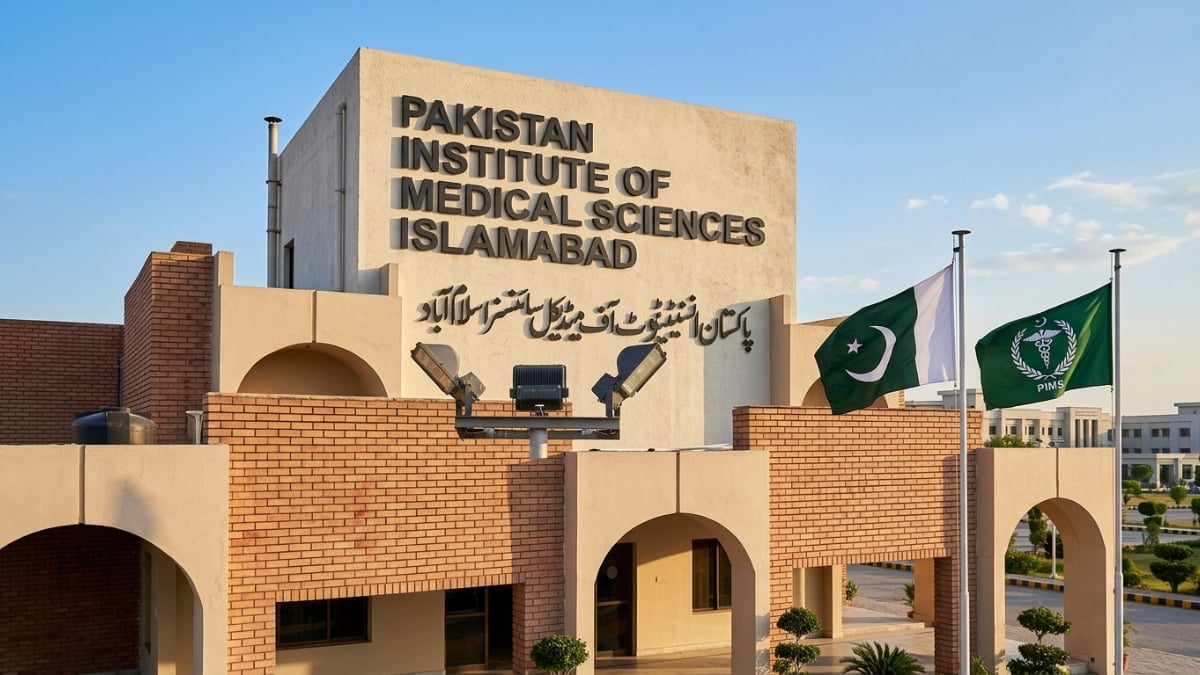
Reports confirming that a PIMS hospital fire occurred just weeks prior to a major Wednesday tragedy at the Pakistan Institute of Medical Sciences have sparked widespread concern regarding safety standards in major public healthcare centers. The recurrence of thermal incidents within such a short window underscores severe vulnerabilities in administrative oversight, infrastructure maintenance, and hazard mitigation at one of the country's prominent medical facilities. When public health institutions face repeating safety failures, the risks extend beyond facility damage, directly endangering vulnerable patients, healthcare workers, and visiting citizens. Addressing these challenges requires an objective examination of facility maintenance procedures and systemic administrative responsibilities.
Recurring Hazards Signal Deep Structural and Maintenance Challenges
The disclosure that an earlier fire had broken out at the facility prior to the latest tragedy suggests systemic technical vulnerabilities rather than an isolated oversight. Public tertiary care hospitals operate under continuous high demand, with electrical systems supporting heavy diagnostic equipment, intensive care support systems, climate control units, and continuous lighting. Without constant, rigorous engineering inspections, aging wiring and overloaded electrical distribution panels can easily spark thermal events.
When an initial fire incident does not lead to an immediate, comprehensive safety overhaul, the risk of a subsequent and potentially catastrophic emergency increases significantly. Infrastructure experts regularly point out that minor fires act as critical warning indicators. In a properly managed facility, any smoke or electrical disturbance prompts instant diagnostic reviews, the replacement of damaged components, and a complete re-assessment of fire suppression readiness. Understanding why previous warning signs did not prevent further risk remains a central concern for safety auditors and the public alike.
What These Safety Breaches Mean for Ordinary Citizens
For the general public, public institutions like PIMS are primary lifelines for essential and emergency medical care. When safety protocols fail in these environments, everyday citizens bear the greatest physical and emotional risks. Understanding the direct impact of these safety lapses helps highlight why immediate reforms are necessary:
- Direct Risk to Vulnerable Patients: Individuals in intensive care units, emergency wards, or recovery rooms often cannot evacuate unassisted, making them extremely vulnerable during smoke or fire emergencies.
- Disruption of Essential Services: Facility fires frequently cause sudden power outages, structural damage, and equipment failure, leading to canceled procedures and delayed treatments for critical patients.
- Evacuation Hazards in Crowded Spaces: High patient traffic combined with restricted corridors or blocked emergency exits creates severe panic and increases the likelihood of secondary injuries during an emergency.
- Loss of Trust in Public Healthcare Infrastructure: Repeated hazards strain public confidence in state-run medical facilities, forcing families to worry about structural safety while managing health crises.
Ordinary citizens visiting large public hospitals are advised to stay aware of marked emergency exits, locate safety signage upon arrival, and report visible structural or electrical hazards to facility managers or relevant public authorities.
Essential Steps Required to Ensure Institutional Fire Safety
Preventing repeated hazards in complex medical environments requires systematic implementation of standardized safety measures. Public health administrative bodies and facility directors must enforce essential physical and operational safeguards across all departments:
- Routine Third-Party Technical Audits: Independent engineering reviews of electrical, gas, and structural systems must be conducted regularly to identify wear and tear before failures occur.
- Functional Fire Suppression Systems: All wards must be equipped with regularly tested smoke detectors, active sprinkler networks, accessible fire hydrants, and functional fire extinguishers.
- Clear and Unobstructed Exit Paths: Corridors, stairwells, and emergency exit doors must remain completely free of stored equipment, excess bedding, or temporary furniture.
- Regular Emergency Drills for Medical Staff: Hospital personnel need continuous training on patient evacuation protocols, smoke containment methods, and standard emergency response procedures.
- Upgraded Electrical Infrastructure: Power distribution systems should be systematically modernized to handle the heavy energy loads required by modern medical technology safely.
Demanding Administrative Accountability and Infrastructure Reform
Resolving ongoing safety concerns demands more than short-term inquiries or temporary fixes. It requires structural reform in how public hospitals are monitored, maintained, and funded. Regulatory authorities and municipal safety bodies must institute strict compliance standards that public health facilities must meet to operate safely. Clear operational lines of responsibility, published safety compliance reports, and dedicated funding for continuous structural maintenance are crucial steps toward securing public health spaces.
The recurring fire incidents at PIMS highlight the inseparable link between physical safety and quality healthcare. Ensuring that public medical facilities remain safe environments for patients and workers is a fundamental duty of institutional administrators. Members of the public seeking official updates or verification on health facility standards are encouraged to consult official government announcements and verified administrative channels.
Source: ARY News
Get alerts in your inbox
Weekly roundup of Punjab schemes, Pakistan jobs, and Gulf opportunities.