Saudi Arabia Deports 13,724 Illegal Residents in Massive One-Week Crackdown
Saudi Arabia has deported 13,724 illegal residents in a single week following joint field inspections aimed at enforcing residency, labor, and border safety regulations.
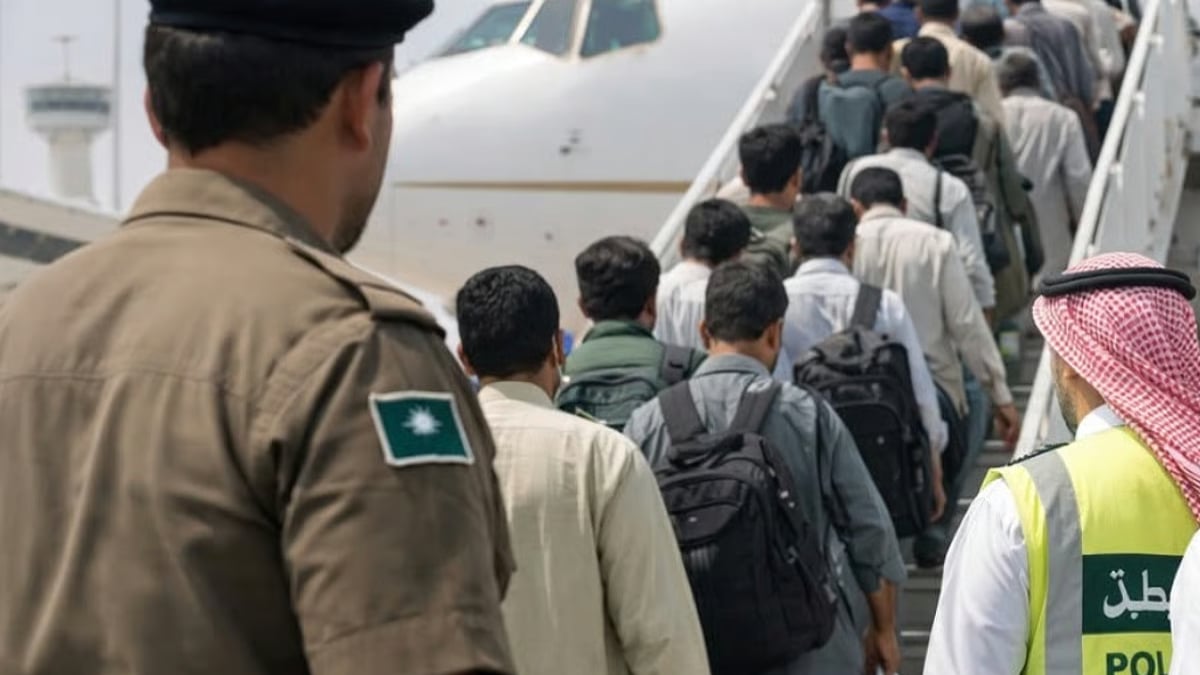
Saudi authorities have intensified their nationwide field operations to enforce residency, labor, and border security regulations, leading to Saudi Arabia deportations of 13,724 illegal residents within a single week. The coordinated crackdown involves multiple security agencies and government departments inspecting residential neighborhoods, commercial centers, industrial zones, and highway checkpoints. Officials emphasized that strict legal measures are being applied consistently against all violators, highlighting the Kingdom's commitment to regulating its labor market and maintaining public safety.
Understanding the Scope of Saudi Arabia Deportations
The deportation of 13,724 individuals in such a short window underscores the scale and intensity of Saudi Arabia's regulatory enforcement campaigns. These joint field operations are conducted regularly across every province, targeting individuals who have breached residency permits (Iqamas), labor regulations, or border security laws. Security forces work alongside labor officials to identify undocumented workers, those working for non-designated employers, and individuals who entered the country through unauthorized border crossings.
In addition to identifying undocumented foreign nationals, Saudi authorities continue to monitor and penalize those who facilitate illegal stays. Under Saudi law, citizens or legal residents who provide transportation, housing, employment, or any form of assistance to undocumented individuals face severe penal consequences, including heavy fines, temporary or permanent detention, and potential deportation for expatriate offenders. The systematic nature of these weekly roundups aims to eliminate informal labor arrangements and ensure all foreign workers operate within established legal frameworks.
What the Enforcement Drive Means for Ordinary Citizens and Overseas Workers
For ordinary citizens in countries that send significant labor forces to the Kingdom—including Pakistan, India, Bangladesh, and Egypt—these developments serve as a critical reminder of the strict legal landscape in Saudi Arabia. Many families rely heavily on remittances sent home by overseas workers, making sudden arrests or deportations economically devastating for entire households. Understanding the triggers behind legal violations is essential for preventing unexpected loss of employment and status.
Many undocumented workers fall into illegal status not out of direct intent, but due to misleading recruitment practices, unfulfilled job promises, or misunderstandings regarding sponsorship laws. A common issue involves the so-called "free visa" arrangement, where individuals pay unauthorized agents for a visa expecting to work freely in the open market. Under Saudi labor regulations, working for an employer other than one's official sponsor (Kafeel) or performing work outside the designated profession listed on the Iqama is illegal and subjects the individual to immediate arrest and expulsion.
Furthermore, workers whose employers fail to renew their residency permits or who have been reported as absconded (Haroob) without their knowledge can suddenly find themselves categorized as illegal residents. This highlights the importance of active status monitoring and maintaining direct communication with official employers.
Key Reasons for Expatriates Facing Legal Action
Expatriates in Saudi Arabia generally face legal action and potential deportation due to specific breaches of law. The primary categories targeted during inspection drives include:
- Residency Violations: Overstaying tourist, visit, or umrah visas, or remaining in the country after the expiration of an Iqama without an active renewal process.
- Labor Law Infringements: Working independently without an authorized employer, taking up secondary employment without official permission, or working under a different job category than specified on legal documents.
- Border Security Ingress: Attempting to enter the Kingdom without valid travel documentation or assisting others in illegal border crossings.
- Absconding Reports (Haroob): Having an active formal notice filed by an employer indicating that the worker left their job without authorization.
Essential Guidelines for Foreign Workers to Ensure Legal Compliance
To protect themselves from legal penalties and sudden deportation, overseas workers and prospective job seekers should follow standardized legal precautions when living in or traveling to the Kingdom:
- Verify Visa Authenticity: Always obtain employment visas through recognized, state-licensed recruitment agencies and verify visa details through official government portals before departure.
- Monitor Iqama Expiry Dates: Regularly check your residency status using official online services such as Absher or Muqeem to ensure your employer has renewed your documentation on time.
- Avoid Unauthorized Work Arrangements: Never engage in freelance labor or work for an employer who is not listed as your official sponsor unless formal transfer procedures (via platforms like Qiwa) have been fully completed.
- Address Grievances through Legal Channels: If an employer fails to pay wages, refuses to renew your residency card, or creates unsafe working conditions, report the matter to the Ministry of Human Resources and Social Development rather than leaving your employment silently.
- Keep Personal Documents Safe: Retain personal control over your passport, national identity documents, and official contracts at all times, as required by Saudi labor regulations.
Verifying Residency Status and Seeking Official Assistance
Foreign nationals residing in Saudi Arabia, as well as individuals planning to travel there for employment, are strongly advised to consult official government platforms for accurate status tracking. Tools provided by the Ministry of Interior and the Ministry of Human Resources allow workers to verify contract terms, check for active labor disputes, and ensure their Iqama remains in good standing. Overseas workers experiencing contractual difficulties should contact their respective diplomatic missions or embassies in the Kingdom for legal advice and formal guidance rather than relying on unverified third-party advice.
As Saudi Arabia continues its stringent campaign against residency and labor law violations, keeping documentation current and adhering strictly to legal employment frameworks remains the only secure path for foreign nationals building a career in the Kingdom.
Source: ARY News
Get alerts in your inbox
Weekly roundup of Punjab schemes, Pakistan jobs, and Gulf opportunities.